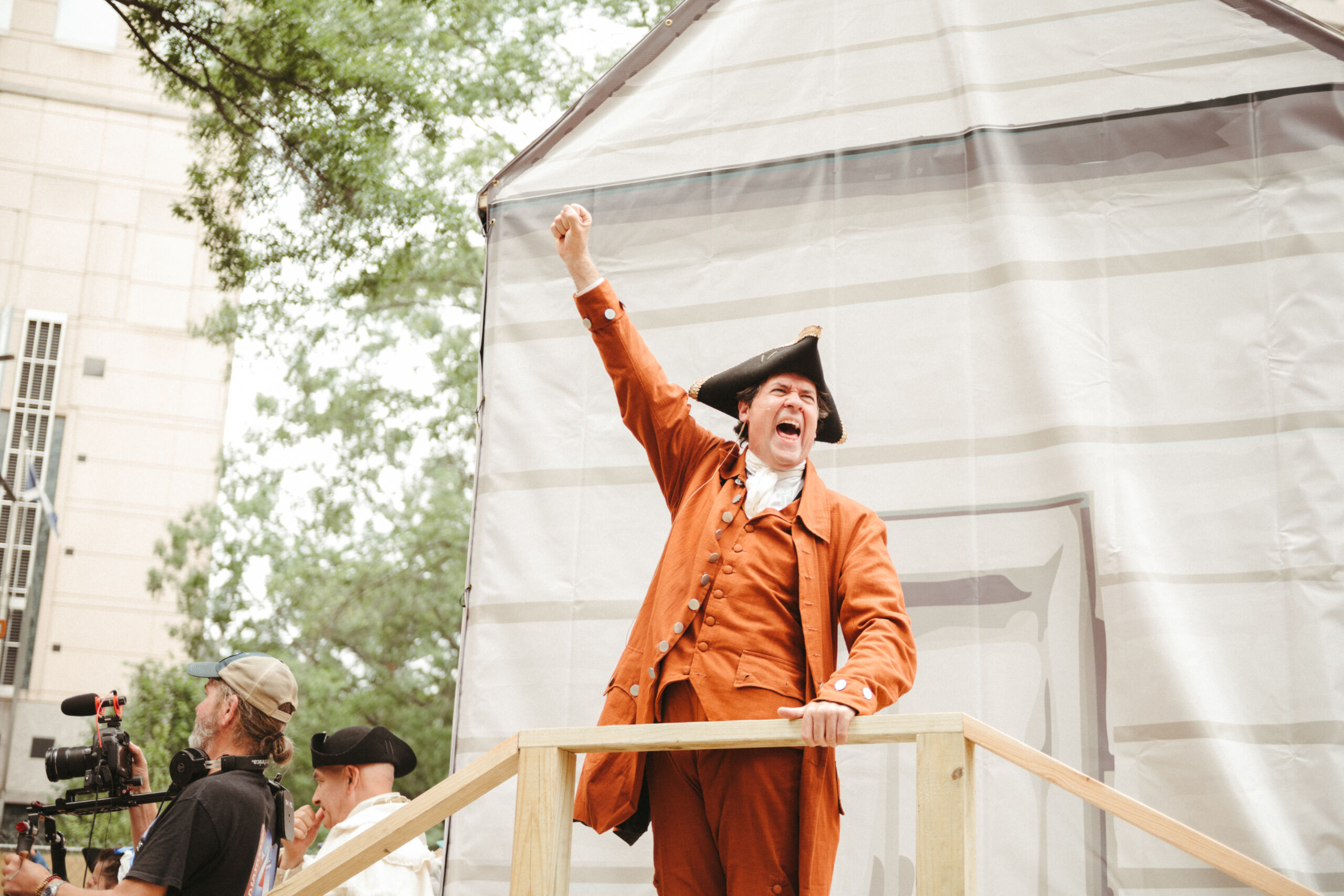
Like ours, many organizations have been ramping up for July 2026, which marks the 250th anniversary celebration of the signing of the U.S. Declaration of Independence. The event we celebrate is critical not only to American history but also to world history, as America has become a beacon of freedom and hope.
Sunday night at 8 p.m., PBS will air the first episode of Ken Burns’ latest documentary, “The American Revolution,” with consecutive episodes running nightly through Nov. 21. For all of us who are hoping that our efforts to educate and motivate people to appreciate the importance of the American Revolution and the principles it brought to fruition, this $30 million production will become a major part of that educational effort.
The John Locke Foundation’s NC250 project is working to celebrate North Carolina’s role in the Revolution and has plenty to highlight, going back to the essential planks of freedom enunciated by philosophers like John Locke who influenced the political thought of so many of our Founding Fathers. For a fuller understanding of the Revolution as a whole and the discussions it should spark, we think it important to spotlight this program.
Ken Burns spoke recently to PBS North Carolina’s David Crabtree about the documentary series and touched on many of the themes the NC250 project will highlight in this educational endeavor as we strive to bring the Revolution in North Carolina to life for our residents.
One of the main things that stuck with me from the Crabtree/Burns conversation that we have been trying to get across in our NC250 efforts is, as Burns put it, “It’s complicated.”
It’s too simple to think of the Revolution just as Redcoats fighting against Bluecoats — with generals on horseback and soldiers firing muskets from line to line. The war in the South, and particularly in North Carolina, was largely a civil war with small bands of militia on both sides — Patriots (or Whigs) and Tories (or Loyalists) fighting local skirmishes. As Burns put it, this was a “civil war” with “Americans killing Americans.” That’s not exactly the way a lot of us learned it in school.
A couple of other reflections from the Crabtree/Burn conversation: Burns stated that at the beginning of the war, the Patriot side had a zero percent chance of succeeding against the most powerful empire in the world. Think about that.
Another thing Burns addressed was the amazing leadership qualities of General George Washington. Burns reflected that without Washington, we wouldn’t have a country. Washington, he observed, was not the greatest tactician in the history of war, but he understood how important it was that his force live to fight another day. Washington understood that you don’t always have to win — you just can’t lose.
When you watch the series, listen for the importance of Thomas Paine and how critical his inflammatory pamphlet “Common Sense” was to the Revolutionary cause. Published in January 1776, it stirred the ideological argument for independence across the colonies — which, here in North Carolina, resulted in the Mecklenburg Declaration and the Halifax Resolves that later influenced the Declaration of Independence produced in Philadelphia.
I am eager to watch the series and would like to pose to you a question that many had to face in 1776: Which group would you and your family have sided with? Would you have been a Loyalist who sided with the king? Or would you have joined the Patriot side and rebelled against the Crown?
Tell your friends and enjoy this series.
I would also like to remind you that NC250’s “Revolutionary Roads” podcast, a 10-episode series covering various aspects of the American Revolution in North Carolina, is now on our website and on YouTube. Be sure to watch or listen.