With Texas experiencing its first significant cold front of the winter season and the five-year anniversary of Winter Storm Uri on the horizon, it’s worth taking stock of how far Texas has come on grid reliability—and how far it still needs to go.
Uri, the disaster that left millions in the dark and claimed over 200 lives, sparked many meaningful reforms. But when it comes to winter preparedness, the job remains unfinished.
Let’s give credit where it’s due: Following the storm, Texas lawmakers passed comprehensive legislation requiring power plants and natural gas infrastructure to meet winter weatherization standards. They improved emergency coordination protocols and established a firm fuel program. Also, critical operational failures that exacerbated the Uri disaster were addressed. The grid has performed well since then, and no widespread outages have occurred since 2021.
But operational improvements, while important, only address part of the problem. The deeper question is capacity: Does Texas have enough reliable power generation to weather the next major winter storm? Here’s where the picture becomes more complicated.
Uri was a once-in-a-century event, so some outages were likely inevitable during that storm. But consider this counterfactual: What if Texas had followed the standard planning approach used by most other states, building enough reliable power plants to handle peak summer demand, plus a 15% safety buffer?
The math tells a revealing story. Expected Texas summer peak demand in 2021 was about 77 gigawatts. Coincidentally, this is roughly the forecast peak demand during Uri if the grid had not failed. With a 15% safety margin, the state would have had 89 gigawatts of dispatchable generation, the kind that can run day or night, regardless of weather. Even if 10% of those plants had failed in the cold, Texas would still have had 4 gigawatts of cushion. The worst could have been avoided.
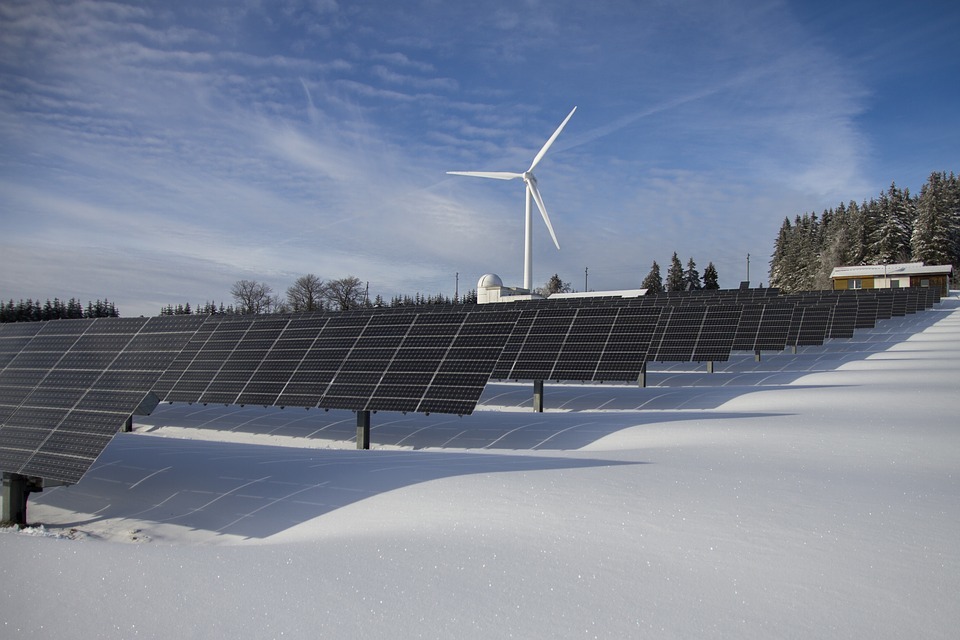
Instead, Texas entered that storm with about 74 gigawatts of dispatchable capacity, already below the peak demand. When more than 30% of power plants failed in the extreme cold, the system collapsed. The massive investments in wind and solar made in the decade prior to Uri, totaling nearly $100 billion, couldn’t help when the wind didn’t blow and panels were covered in snow.
However, if just a quarter of the $100 billion had been invested in resiliency measures to ensure power plants stayed online and supplied with fuel during the storm, most of the disaster would have been averted. All the other states affected by Uri did this—and suffered only minor outages.
Yet in Texas, the market incentives that promote investment in unreliable sources of power still exist today.
No surprise, the pattern of malinvestment continues. Between 2021 and 2025, Texas added over 25 gigawatts of solar and 16 gigawatts of battery storage, which helps meet summer peak demand, but only 2.3 gigawatts of new natural gas generation that can perform under all conditions. As a result, the gap between reliable winter capacity and winter demand has grown significantly since Uri. When the next major winter storm arrives, this gap will be revealed as a major problem.
Other states facing similar challenges have taken different approaches. They maintain sufficient reliable capacity for both their summer and winter peaks. For Texas to achieve the same success, the legislature must change policy to ensure the market properly values reliability, alongside cost and environmental considerations. Texas has explored market reforms but hasn’t yet implemented changes at the scale needed.
The good news is that it’s not too late. Texas must learn from past experience before another crisis occurs. While the operational fixes implemented since 2021 are important, they’re not sufficient on their own because the market is continuing to invest in the wrong direction.
Failure to act will lead to another disaster.