Leif Le Mahieu writes for the Daily Wire about a significant change from a major federal government department.
The Justice Department will no longer pursue civil rights lawsuits based on “disparate impact theory,” the Trump administration announced Tuesday.
The move comes after 50 years of government policy that encouraged lawsuits against “race neutral” policies without showing evidence of actual racial discrimination, the department said. Disparate impact theory is a framework that often assumes discrimination when there are different outcomes for different groups of people, even if there is no explicit discriminatory practice in place.
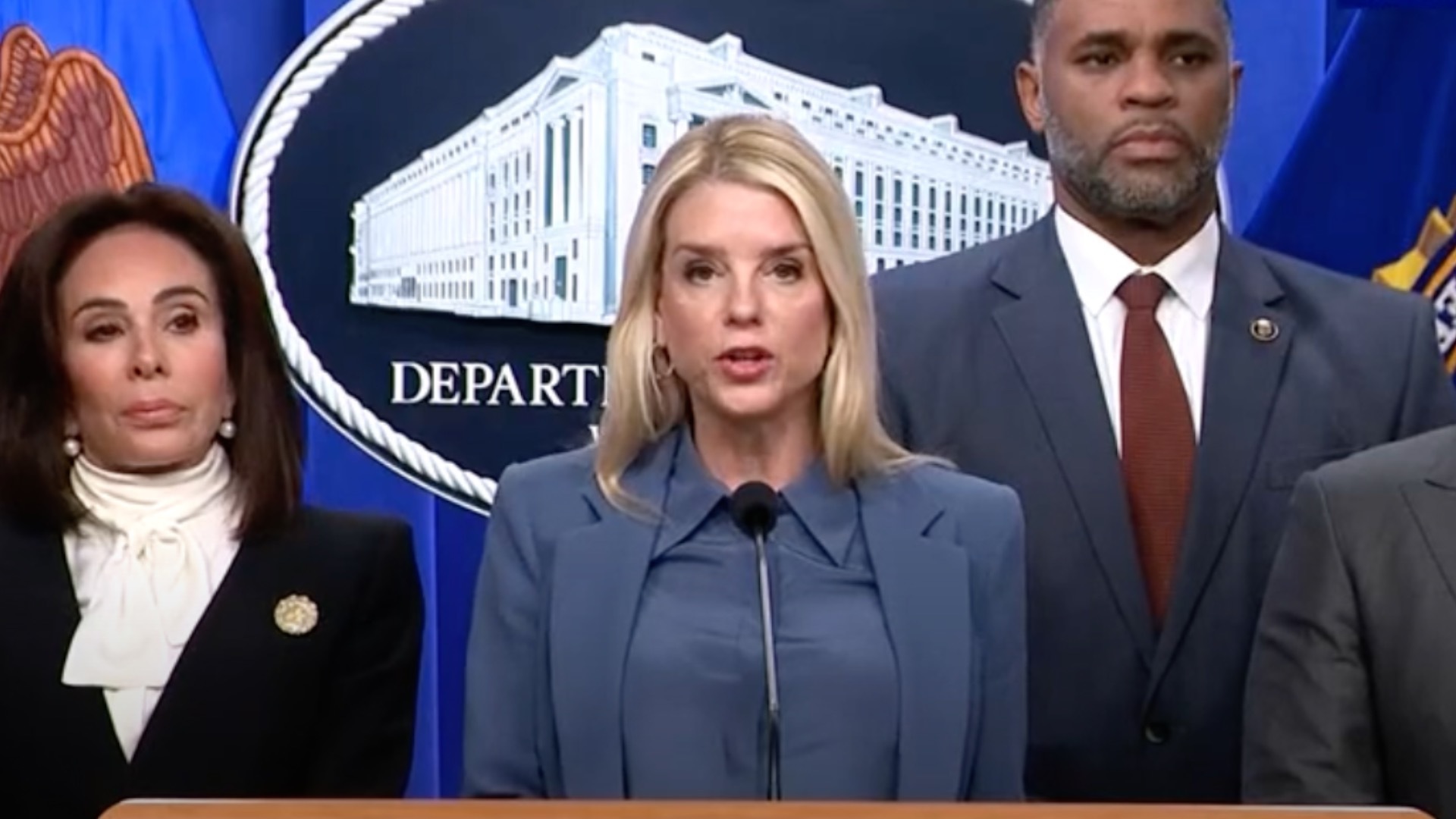
“For decades, the Justice Department has used disparate-impact liability to undermine the constitutional principle that all Americans must be treated equally under the law,” said Attorney General Pam Bondi. “No longer. This Department of Justice is eliminating its regulations that for far too long required recipients of federal funding to make decisions based on race.”
The Justice Department issued a rule removing disparate impact from consideration under Title VI of the Civil Rights Act of 1964. Title VI prevents entities that discriminate on the basis of race, sex, religion, and national origin from receiving federal money or support.
“The prior ‘disparate impact’ regulations encouraged people to file lawsuits challenging racially neutral policies, without evidence of intentional discrimination,” said Assistant Attorney General Harmeet Dhillon of the Justice Department’s Civil Rights Division. “Our rejection of this theory will restore true equality under the law by requiring proof of actual discrimination, rather than enforcing race- or sex-based quotas or assumptions.”
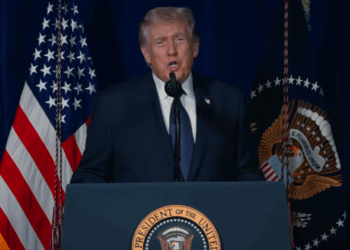
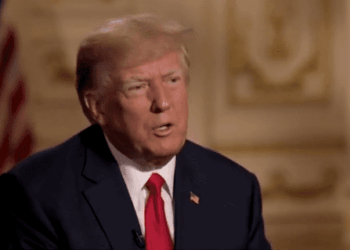
The change comes after President Donald Trump signed an executive order in April that directed the federal government to stop using disparate impact theory in government policy and regulations. The order defined disparate impact theory as the “presumption” that “unlawful discrimination exists where there are any differences in outcomes in certain circumstances among different races, sexes, or similar groups, even if there is no facially discriminatory policy or practice or discriminatory intent involved, and even if everyone has an equal opportunity to succeed.”