Elle Purnell of the Federalist explores a recent State Department policy change.
The State Department’s rejection of the Biden-era Calibri font for Times New Roman might not be the Trump administration’s most consequential decision, but that doesn’t mean it doesn’t matter.
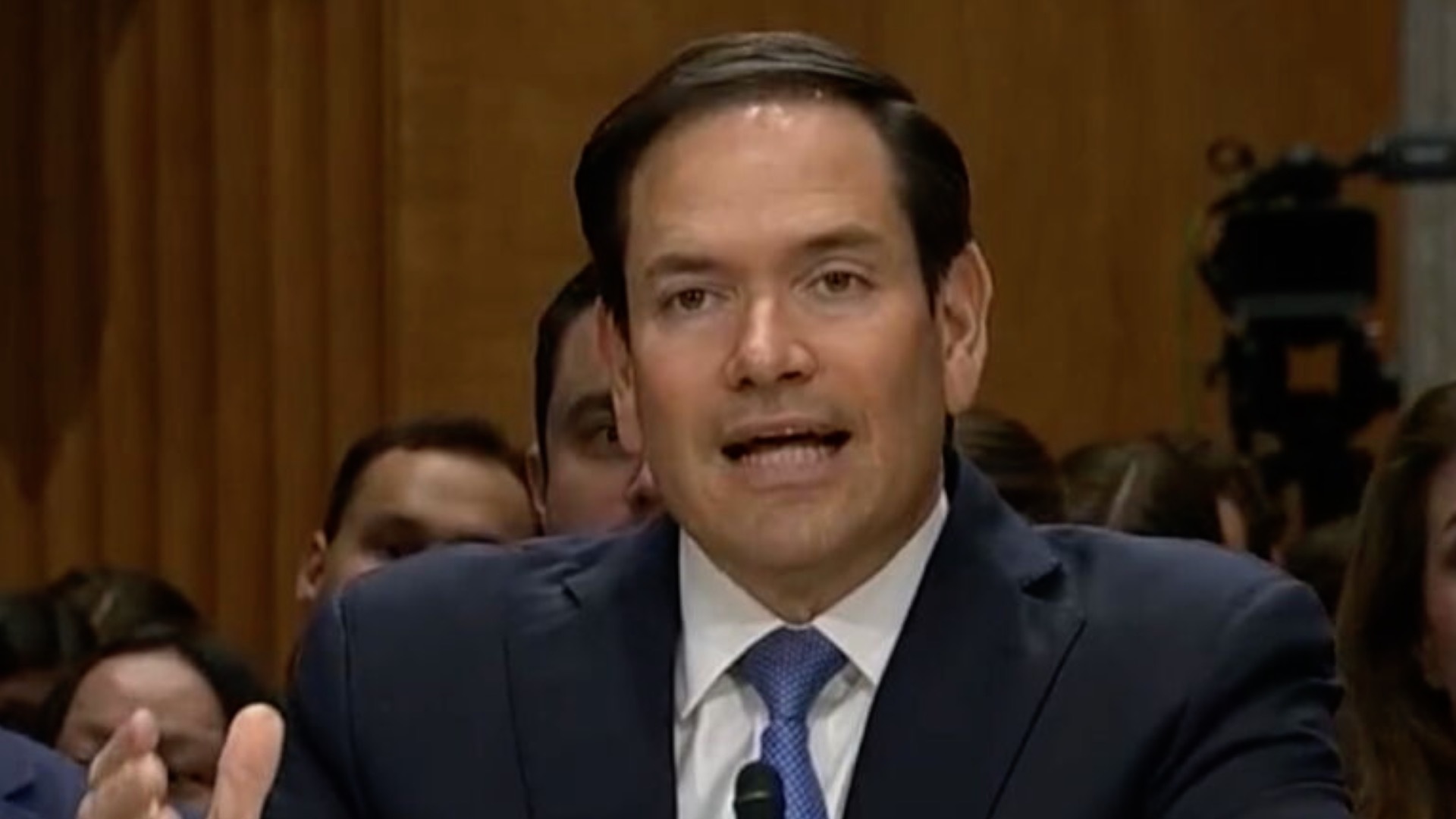
On Tuesday, Secretary of State Marco Rubio circulated a memo declaring the serif font would again be the standard typeface for official State correspondence, as part of an effort to “restore decorum and professionalism to the department’s written work.” It evokes “tradition, formality and ceremony” better than the plain style his predecessor had implemented on the recommendation of the department’s DEI office, Rubio said.
The move prompted some predictable grumbling from the usual suspects — New York Magazine fretted that Trump “Is Coming After Our Fonts” and mocked the administration for “fetishizing trad aesthetics.”
But those “trad aesthetics” do matter, and as exhibit No. 1, I humbly submit Cracker Barrel’s ill-fated attempt to turn itself into the Calibri of Old Country Stores. …
… Cracker Barrel made the failed switch purportedly because the new logo would be “easier to read,” the same reasoning given by the Biden State Department for adopting Calibri. People hated it, a lesson that cost Cracker Barrel hundreds of millions of dollars to learn.
Like many things, the doomed Cracker Barrel rebrand — and the popularity of the sans serif font — can both be blamed in part on the internet. Across industries, brands have simplified their logos to be instantly recognizable on small phone screens and tiny thumbnails. Calibri’s defenders insist it’s easier to read on a screen, where most white collar work takes place. …
… From advertising boardrooms, the corporate slop has trickled down into the children’s book section. Realistic, visually interesting, and even beautiful illustrations have given way to oversaturated, cartoonish graphics. Faces are simplified and proportions exaggerated to the point that the subject looks less human. Not only is the subject matter less aspirational, the accompanying art is too.