Introduction
North Carolina’s compulsory attendance law allows parents and guardians to enroll their children in school as early as age five. Before their children reach that age, parents and guardians may choose to employ various formal and informal arrangements to oversee the physical, social, and cognitive development of the children in their care.
The North Carolina Division of Child Development and Early Education, a division within the Department of Health and Human Services (DHHS), oversees two large early childhood education programs the Subsidized Child Care Program and the North Carolina Pre-Kindergarten Program (NC Pre-K).
The Subsidized Child Care Program provides vouchers to eligible families for child care services offered in any number of settings – licensed child care centers, family child care homes, programs sponsored by religious organizations, and informal arrangements such as care by a relative or care in the child’s home. To qualify, parents must meet situational and financial criteria. Parents must be employed (or seeking employment) or enrolled in an educational program. They may also qualify if their child has developmental needs or is receiving child protective or welfare services. Income eligibility depends on income and family size, but subsidy recipients must contribute to the cost of child care.
The Division of Child Development and Early Education evaluates the quality of all licensed child care centers and family child care homes in North Carolina using the Star Rating System. Facilities earn stars based on staff education and program standards. One-star facilities meet minimum licensing requirements. Five-star facilities meet the highest quality standards.
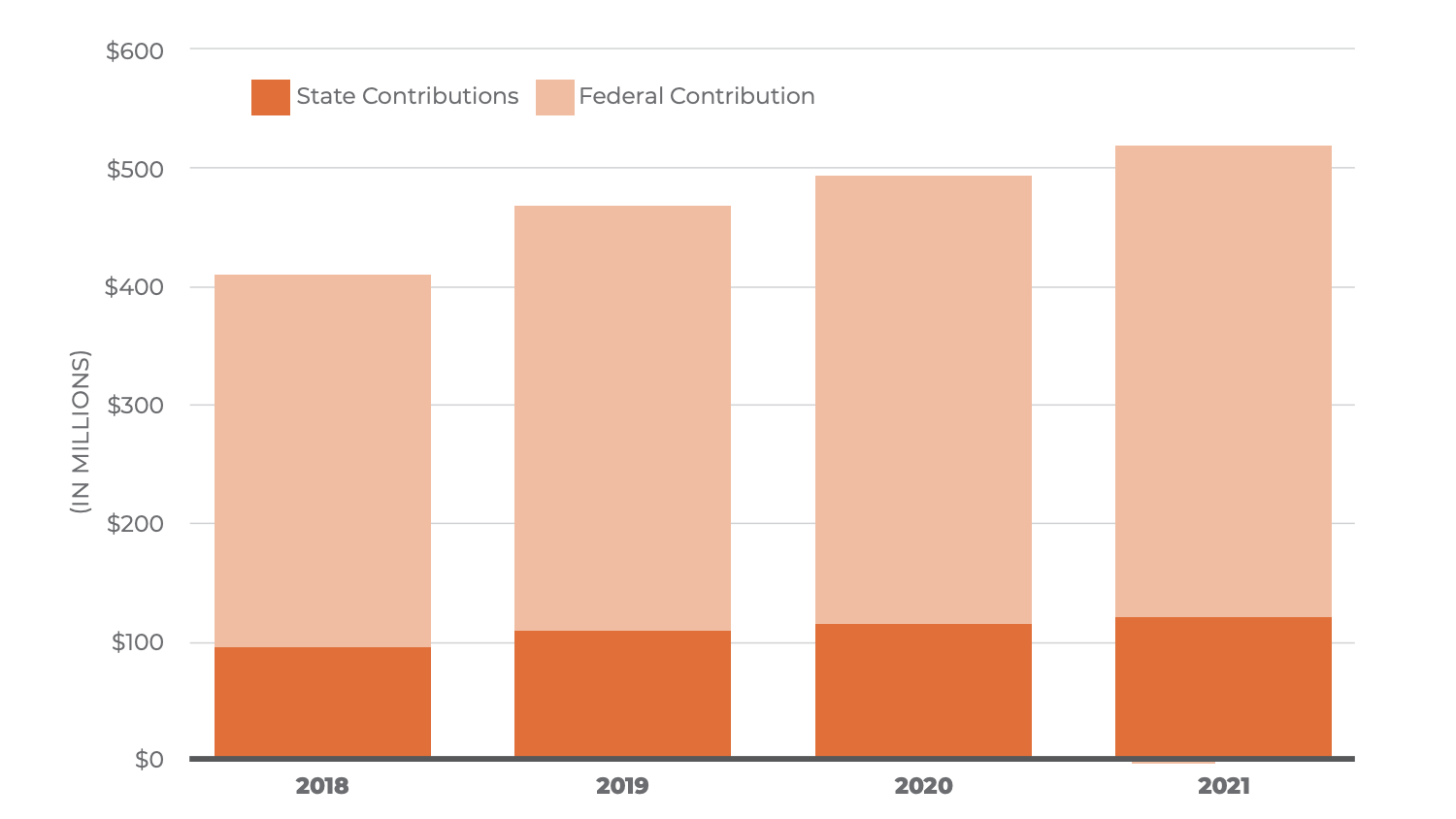
County social services departments administer the subsidy program. A third entity, the North Carolina Child Care Commission, adopts regulations that ensure DHHS compliance with legislation passed by the North Carolina General Assembly. While state and county agencies manage the program, the federal government supplies most of the dollars for subsidized child care. A portion of the funding for the Subsidized Child Care Program comes from the North Carolina General Fund. The remainder of the funding for the program comes from two federal grants: the Child Care and Development Fund (CCDF) and Temporary Assistance for Needy Families (TANF).
In addition to the Subsidized Child Care Program, the Division of Child Development and Early Education manages NC Pre-K (formerly More at Four). NC Pre-K is a mostly state-funded preschool program for at-risk four-year-olds and is distinct from Smart Start. Smart Start is a public/ private partnership that offers child-care subsidies, teacher training, health screenings, and support for families with children from birth to five years old regardless of income. The North Carolina Partnership for Children and a network of 75 local partnerships administer the program.
North Carolina also has three federally funded prekindergarten programs Preschool Exceptional Children’s Program (Preschool EC), Title I Preschool, and Head Start. Preschool EC is supported by state and federal funds and provides prekindergarten services for special-needs children. Title I Preschool allows school districts to set aside a portion of their federal Title I funding to provide prekindergarten programs for at-risk four-year-olds. The federal Head Start program is the largest and one of the oldest federal prekindergarten initiatives in North Carolina. Head Start provides education, health, and nutrition services to low-income children between the ages of three and five.
Although hundreds of millions of state and federal dollars are appropriated for child care subsidies and early education and health programs, most parents and guardians use their own resources to cover the cost of center-based care, home-based care, or preschool. Otherwise, stay-athome adults, relatives, or neighbors assume the responsibility of rearing newborns, infants, and toddlers.
Whether to provide prekindergarten programs is a contentious issue, as is the size and scope of such programs. Advocates for universally available prekindergarten programs argue that they are needed to solve pressing educational and workforce problems and address students’ social-emotional development. Critics of such programs point out that they extend “the reach and control of government into the lives of preschool children” and are “rooted in a belief that … government should be the solution to all problems.”
Key Facts
- The following state funding streams support North Carolina’s early childhood programs: Developmental Day Center (DDC); NC Pre-Kindergarten Program; Smart Smart – The NC Partnership for Children, Inc.; and the NC Infant-Toddler Program (ITP).
- In addition to those, there are 12 federal funding streams supporting North Carolina’s early childhood programs, as well as several targeted programs such as Demonstration Grants for Indian Children and Ready to Learn Television.
- Local funding options for early education include the use of local sales-tax or property-tax revenue to provide direct support to early education and health initiatives. Communities can also use debt financing to support capital projects for public preschool and child care programs.
- An evaluation of the NC Pre-K program published by the Frank Porter Graham Child Development Institute of the University of North Carolina at Chapel Hill found consistent effects on language and literacy skills at the end of preschool, but researchers found no significant effects for written comprehension, math skills, executive function, and parent ratings of problem behaviors and social skills. A study published in May 2020 by Duke University researchers, however, concluded that students who had received NC Pre-K services demonstrated academic benefits that lasted through middle school. A follow-up working paper released in August 2022 studied the effects of NC Pre-K funding in greater detail and concluded that “the positive effect of financial investments in NC Pre-K was larger for students who subsequently enrolled in school districts with lower rates of growth in academic achievement on average.”
Recommendations
1. Existing Early Childhood Programs Should Be Consolidated or Significantly Reorganized.
It is neither necessary nor beneficial to maintain multiple early childhood programs with different governance structures, funding distribution mechanisms, and accountability standards.
2. Determine Whether There Is a Relationship Between Subsidy Use in North Carolina and Children’s Health or Social-Emotional, Cognitive, and Behavioral Development.
Child care subsidies should provide both shortand long-term benefits for participating children, not just supervision.
3. NC Pre-K Eligibility Requirements Should Be Narrowed to Focus Resources on Education and Services for Low-Income Children or Those Who Are Academically at Risk.
State-subsidized preschool programs are more likely to provide lasting benefits to children from distressed households than to children from middle or upper-income families. Narrowing the focus to aiding North Carolina’s most vulnerable children would ensure that NC Pre-K prioritizes the educational needs of those who would receive the greatest benefit.
4. Preschool regulations should be rolled back to make the cost of child care and prekindergarten programs more affordable.
The high costs of prekindergarten services and child care make these services unaffordable for many families. Rolling back regulations by, for example, doing away with unnecessary qualifications for certain positions or changing rules regarding staff/student ratios could help more families access these services if desired.
Total Subsidies Granted to North Carolina Pre-K Programs 2018-21
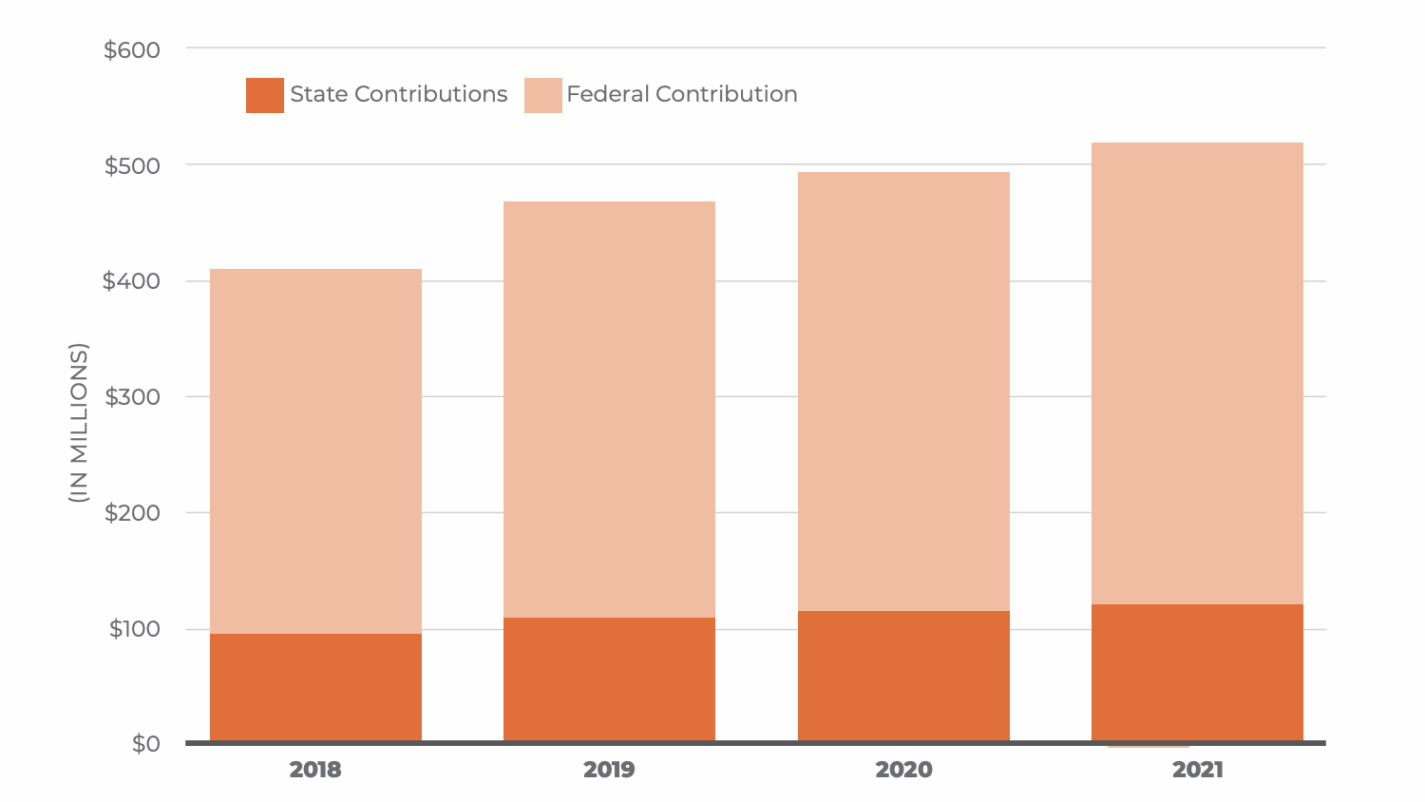
Source: North Carolina Department of Health and Human Services, Division of Child Development and Early Education
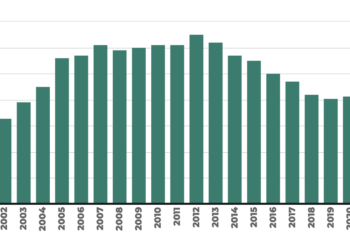
Subsidized Child Care and NC Pre-K Enrollment by Year, 2011-22
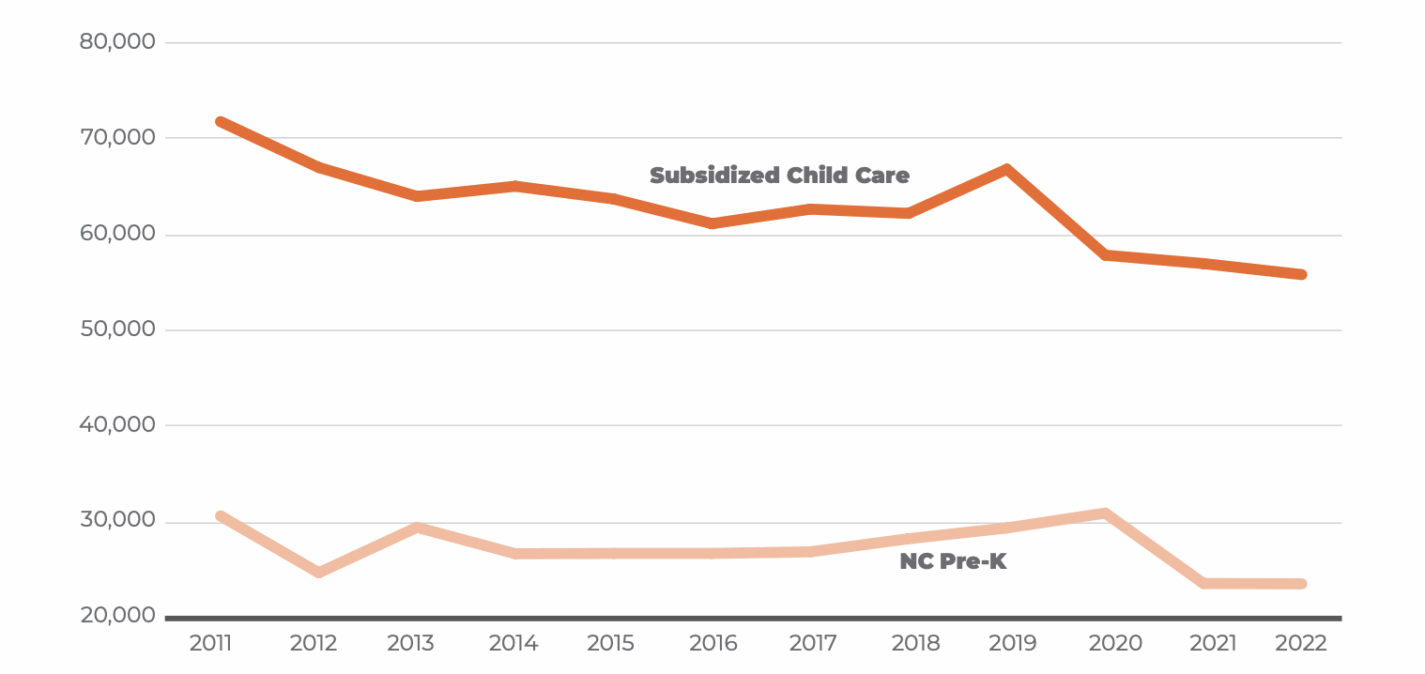
Sources: North Carolina Department of Health and Human Services expenditure reports (total children served in January of each year); National Institute for Early Education Research, State Preschool Yearbooks, 2011–22