Corey DeAngelis writes for National Review Online about an interesting political development in the school choice arena.
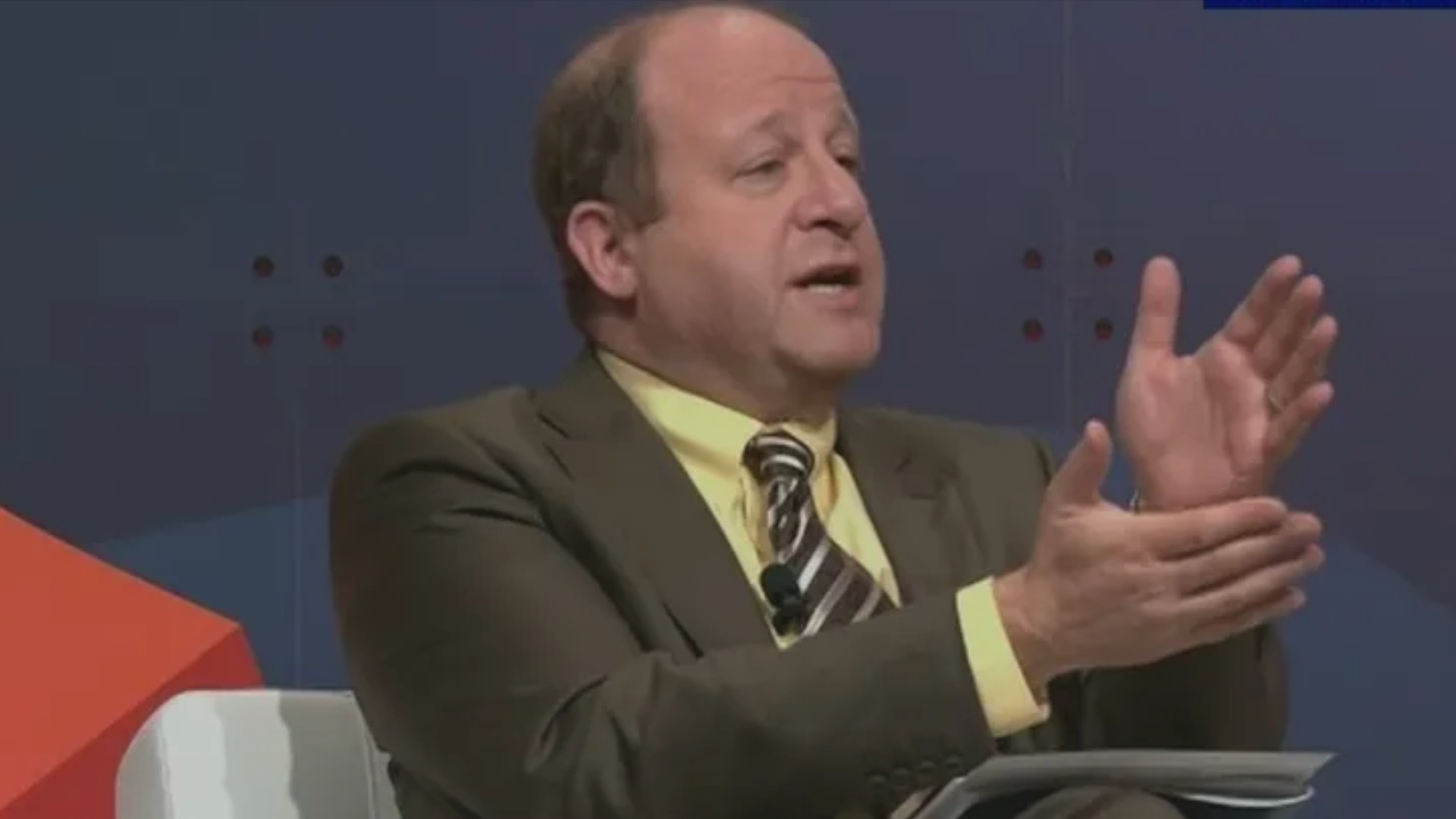
In a polarized political landscape where partisan allegiances usually guide policy decisions, Colorado Governor Jared Polis has just delivered a refreshing surprise. The Democrat leader told the Colorado Sun that he plans to opt his state into President Trump’s new nationwide school choice program, set to take effect in 2027 as part of the Big Beautiful Bill.
“I would be crazy not to,” Polis declared, framing the program as a straightforward opportunity for Colorado families. He’s absolutely right — and his move should encourage other Democratic governors to rethink their reflexively anti-school choice stances, lest they risk pointlessly hurting their own constituents.
The program, a landmark expansion of educational freedom, allows taxpayers nationwide to contribute up to $1,700 annually to scholarship organizations that fund private school tuition, homeschooling materials, or other educational options. In return, donors receive a dollar-for-dollar federal tax credit. The program is a mechanism to empower parents and students by redirecting resources toward choices that best fit their needs.
But here’s the catch: While any taxpayer can claim the credit regardless of their state’s participation, scholarships can only be awarded to students in states whose governors opt in.
As I argued earlier this year, governors who opt out are essentially shooting themselves in the foot. Polis echoed that sentiment, noting that the program’s structure creates an irresistible incentive. If a blue-state governor like him declines, their residents can still donate and claim the tax break — but those funds will flow to scholarship programs in participating states, likely Republican-led ones.
As Polis told the Sun, it’s a “no-brainer” for states to join and ensure their own kids benefit. Opting out means blue-state taxpayers would subsidize educational opportunities for children elsewhere, sending their hard-earned dollars out of state.