Editors of National Review Online analyze recent developments in one of the world’s worst countries.
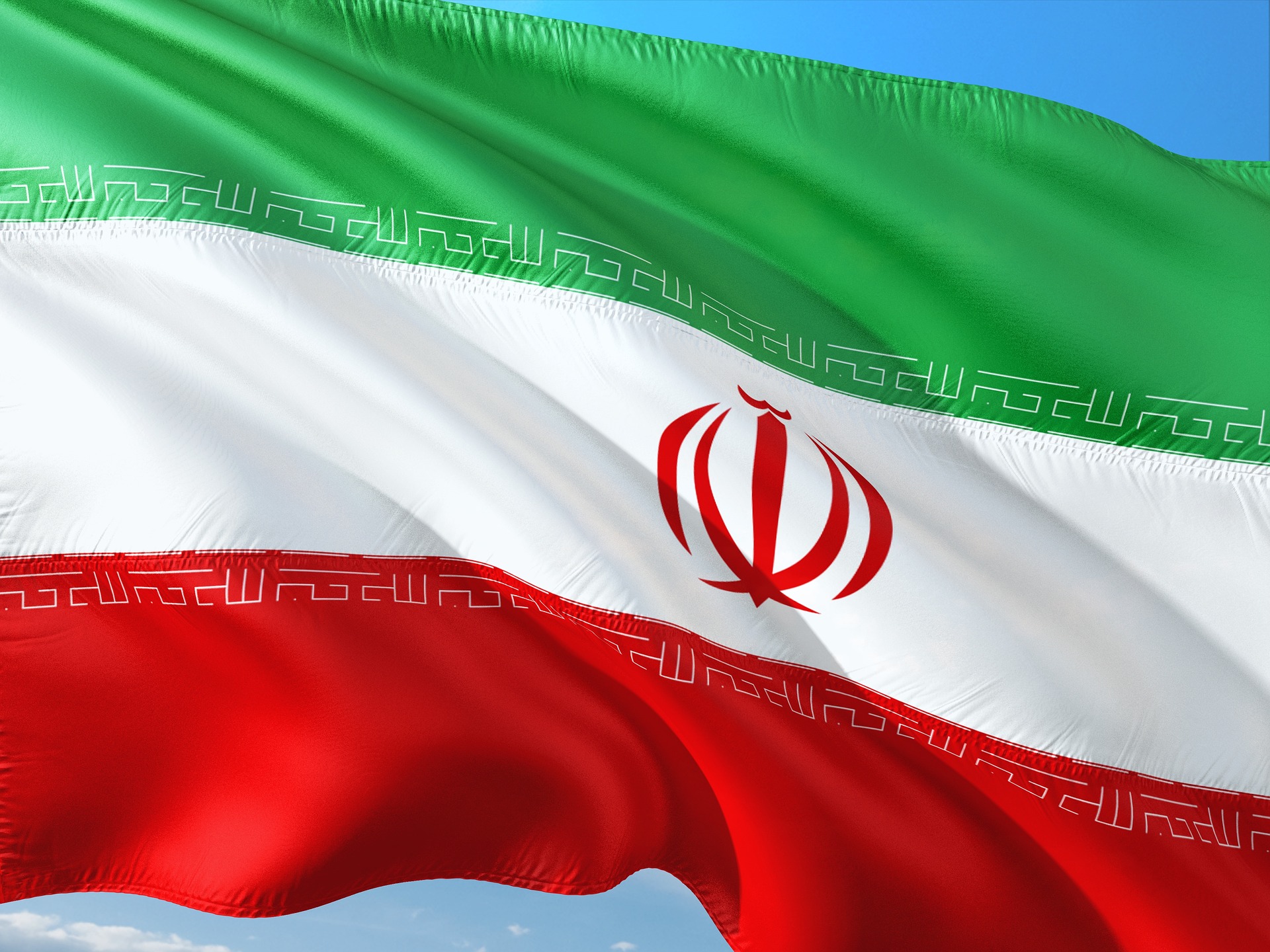
In Iran, the economy has gone very wrong indeed. The current unrest began in Tehran with shopkeepers and bazaaris, the latter a merchant class traditionally supportive of the regime, closing their doors as a protest against a further collapse in Iran’s already collapsed currency, the rial. It has fallen by about 60 percent against the dollar since the war with Israel in June. Annual inflation was over 40 percent in December. Food inflation is approaching twice that. GDP is turning down, and public services are increasingly unreliable. Decades of corruption, mismanagement, and sanctions and the emigration, imprisonment, or murder of many of Iran’s best and brightest have all had their effect.
History would suggest that the protests would not be confined to the economy, and history would be right. There have been calls for regime change, greater freedom, and even (by some) for the return of the monarchy. They have been backed by a wave of demonstrations across much of the country, and it appears to be gathering in strength. So far, the unrest has yet to exceed that seen in 2022–23 after the death of Mahsa Amini, a young woman savagely beaten for “improperly” wearing a hijab. In the end, those protests petered out, their momentum broken by the regime’s violent response and by mass arrests, a melancholy story that has been repeated over the years.
Will the outcome be any different now? The best guess, unless the current spontaneous protests can cohere into something more organized, is no. The regime is responding with vaguely conciliatory admissions (how could it do otherwise?) that some of the complaints about the economy are valid. But it has not abandoned its time-tested repertoire of threats, talk of external enemies, and the use of force. Precise numbers are impossible to come by, but hundreds have already been arrested, dozens have been injured, and the death toll so far has either crossed double figures or is coming close to it.