Andrew Stuttaford poses a two-word question at National Review Online: Islamist Britain?
In certain places and in certain respects, it seems, to some.
Wait, wait, who says?
The Financial Times:
“The United Arab Emirates has restricted funding for its citizens who want to study at British universities, the latest sign of tensions over the UK’s decision not to proscribe the Islamist Muslim Brotherhood group…
“The exclusion of British universities is linked to anxiety in the UAE over what it sees as the risk of Islamist radicalisation on UK campuses, according to three people familiar with the matter.”
In part, this reflects the UAE’s worries about an Islamist political challenge at home and other tensions with the UK. Nevertheless, the complacent response from Britain indicates attitudes that help explain the UAE’s concern.
The FT:
“One UK-based academic downplayed UAE concerns about the extent of any Islamist activity within UK universities, but they acknowledged that the Israel-Gaza war had ‘a destabilising impact’ on British campuses.”
You don’t say.
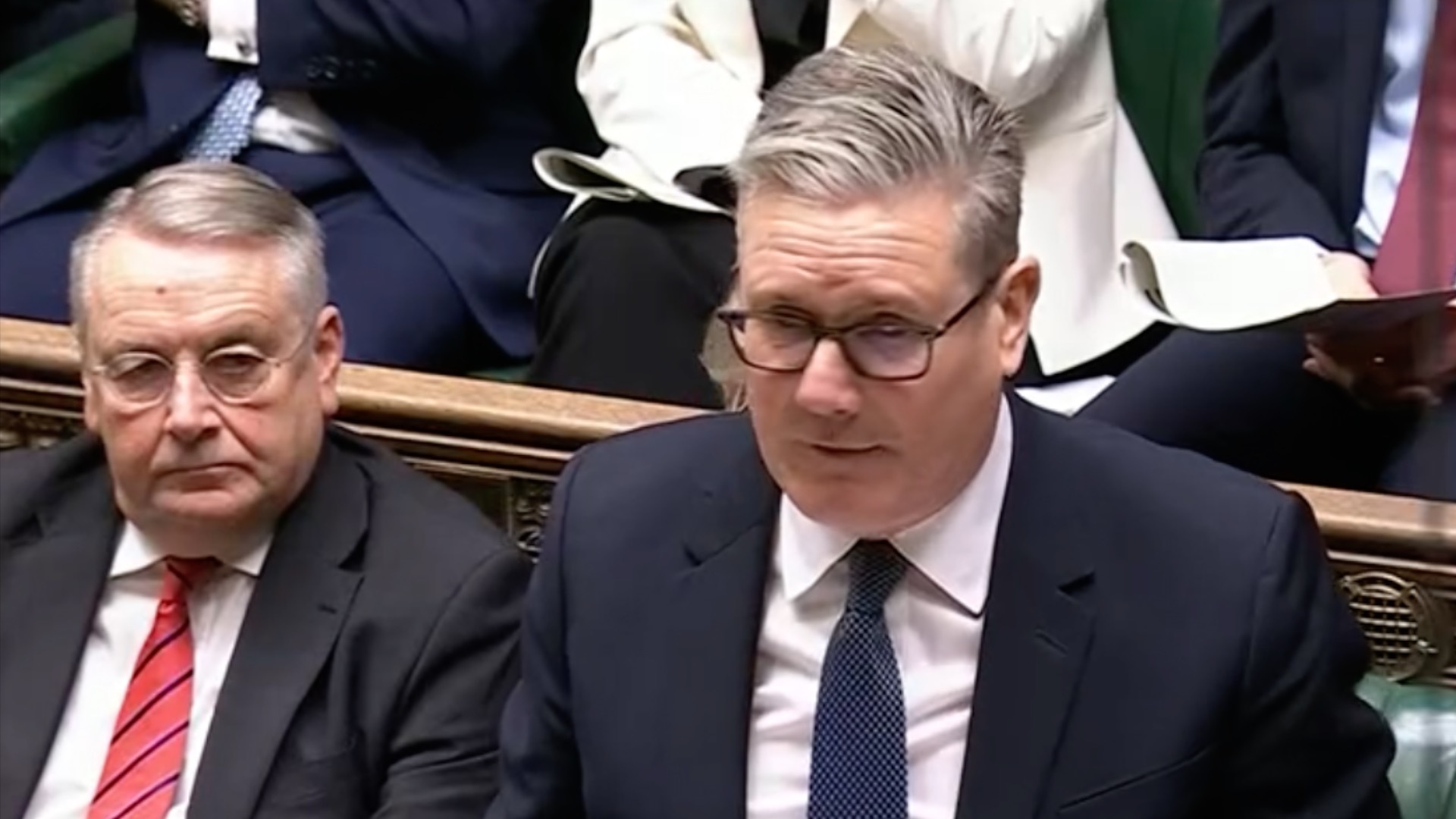
The carefully worded wording of a response from Prime Minister Keir Starmer’s office will raise some eyebrows:
“All forms of extremism have absolutely no place in our society, and we will stamp them out wherever they are found.”
All forms.
Hmmm…
The Labour government has a massive parliamentary majority and no need to call an election until 2029. Nevertheless, its underwhelming performance at the polls (it is now running at third place behind Nigel Farage’s populist-right Reform and the Conservatives) has Starmer worried about losing Muslim voters. Traditionally they have been a strong source of support for Labour, but there have been obvious signs that they have been drifting toward sectarian groupings or to the hard left. Worried by this, the normally authoritarian Starmer government, a determined foe of free speech, goes somewhat easy when there is any risk of antagonizing such voters.
Starmer is known as “two-tier Keir” for good reason.