Jesse Franklin-Murdock writes for the Federalist about interesting revelations in a recent deposition.
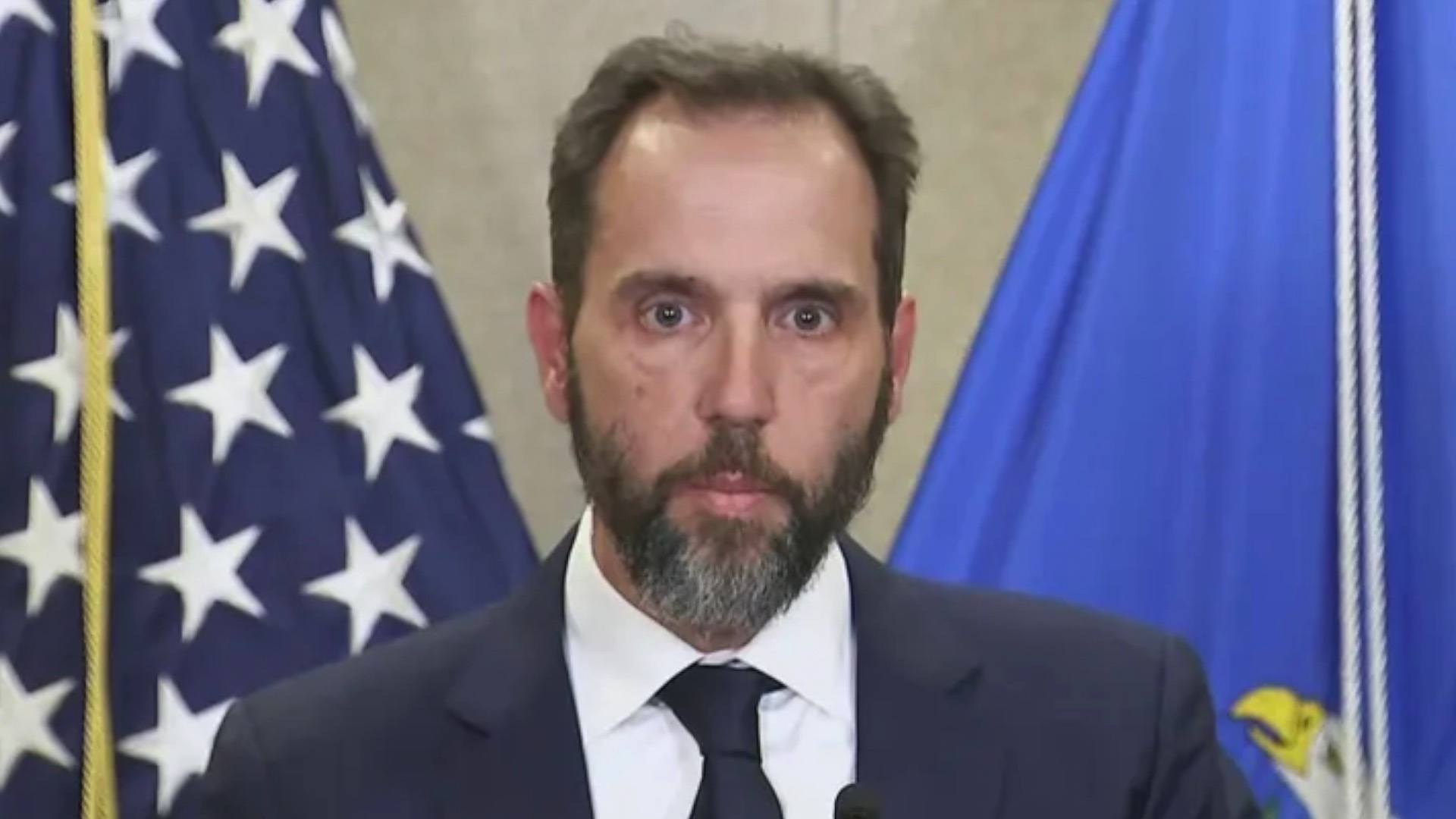
In the last few months, we have gained valuable insights into former Special Counsel Jack Smith’s unprecedented effort to criminally prosecute President Donald Trump, at the time a former president and leading contender for the presidency.
In Injustice, Washington Post reporters Carol Leonnig and Aaron Davis, appearing to rely heavily on accounts from Smith’s top deputies, paint a picture of a prosecutor doggedly focused on one objective: prosecuting Trump. On New Year’s Eve, however, the House Judiciary Committee released the transcript of Smith’s closed-door deposition. While a prosecutor’s crusade to imprison a presidential candidate is troubling in itself, Smith’s deposition testimony was alarming, as it betrayed Smith’s utter disdain for the fundamental right to freedom of speech enshrined in the First Amendment.
Smith’s so-called “election interference” case in Washington, D.C., has long raised a fundamental question: What was the crime? In his deposition, Smith claimed Trump’s statements that the 2020 election was “rife with fraud” were “absolutely not” protected by the First Amendment and, indeed, formed the basis for his prosecution. Smith went on to claim that Trump would reject information that Smith believed he should have credited and reached out to individuals whom Smith deemed uncredible.
Whether you are the president of the United States or an anonymous poster on X, the First Amendment protects your right to speak about elections. The First Amendment’s guarantee of free speech is a critical check on the power of the government, as it prevents the government from punishing those who speak out against it. Punishing speech regarding an election is especially insidious: American history is replete with instances in which litigation has changed the results of elections, and election fraud has been proven.
For example, in Hawaii, a court-ordered recount changed the outcome of the presidential contest in that state. And it was only because President John F. Kennedy sent a slate of alternate electors to Washington that Kennedy’s victory in Hawaii was counted. Criminalizing the questioning of elections is an invitation for election fraud and, regardless, tramples on the right we all enjoy to criticize our government.