Editors at National Review Online probe recent comments from the Federal Reserve chairman.
Tensions between a president and a Federal Reserve chairman are nothing new. Up until now, they may have reached a peak when Lyndon Johnson shoved William McChesney Martin at the LBJ ranch. Martin gave in a while later, another step into the inflationary quagmire from which the U.S. emerged only after Paul Volcker reasserted the Fed’s independence.
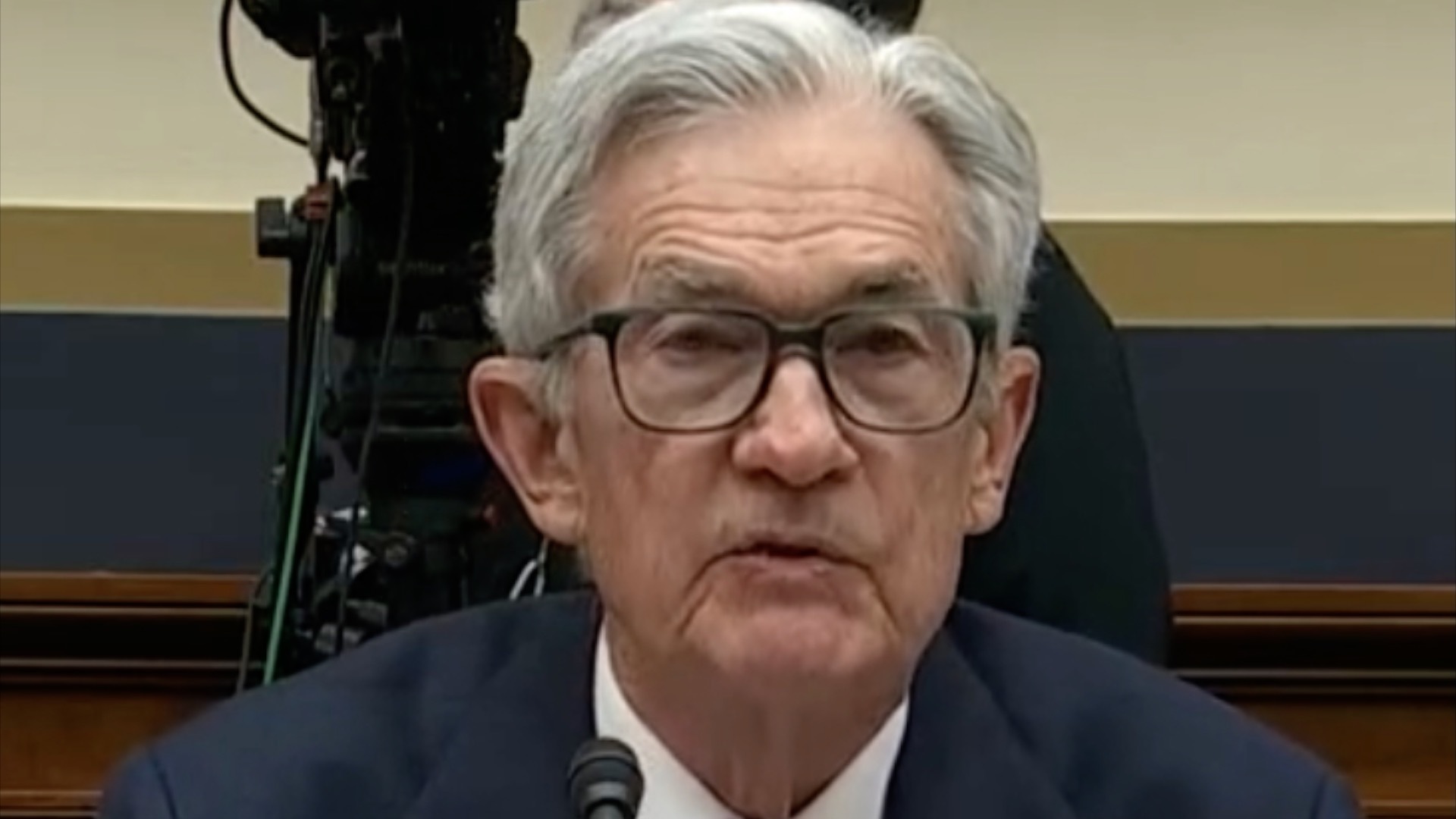
However bad that Texas moment, it falls far short of the Department of Justice’s serving the Federal Reserve with grand jury subpoenas on Friday. They relate to testimony given to the Senate Banking Committee concerning an over-budget renovation project and come with the threat of criminal indictment.
Chairman Jerome Powell’s response was blunt. No one, “certainly not the chair of the Federal Reserve,” is above the law, but, he argued, this was not about his testimony or the renovation. Those were “pretexts.” Rather, it was “a consequence of the Federal Reserve setting interest rates based on our best assessment of what will serve the public, rather than following the preferences of the president.”
We cannot pretend to know every detail of the renovation project, but given this administration’s penchant for targeting for investigation or prosecution anyone who crosses it, the chairman’s comments ring true. If this is a baseless effort at revenge or pure intimidation, it’s a disgrace (we should note that President Trump denies any involvement with the DOJ’s action).
The Fed’s independence is based on convention, not law. The central bank is a creation of Congress. What Congress can make, Congress can remake or unmake, and the existence of a quasi-executive agency not directly controlled by the executive branch is a constitutional anomaly. But it can hardly be seriously maintained that Trump is engaged in a work of constitutional house-cleaning. And as a practical matter, Fed independence has not come under sustained assault even by presidents upset by its decisions.