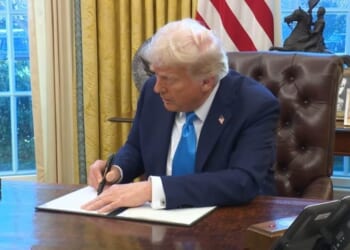
Today, President Donald J. Trump called on Congress to enact his Great Healthcare Plan—a bold, pro-patient framework that will expand price transparency and empower individuals with greater control of their health care dollars. This plan represents a significant moment in the effort to make health care more affordable, understandable, and accountable to everyday Americans.
For too long, opaque pricing, confusing billing, and hidden markups have allowed hospitals and insurers to drive up costs. A lack of price transparency contributes to rising health care costs and leaves consumers with little to no ability to shop for care. Hospitals charge wildly different amounts for the same procedures—such as colonoscopies averaging $2,527 in Texas but ranging up to $15,789—because patients can’t see or compare prices beforehand.
Empowering consumers with price information not only benefits patients but also employers—the largest collective purchasers of health care—who can negotiate better value when they know what services actually cost. Common labs like cholesterol or testosterone, for example, wholesale costs are only $3-4 each, and x-rays are only $50-60. President Trump’s emphasis on transparency creates conditions for more competition, lower prices, and innovation in care delivery across state lines.
The Great Healthcare Plan also revolutionizes how Americans pay for insurance. Rather than sending subsidy payments indirectly through insurers, the plan proposes direct contributions into individuals’ Health Savings Accounts (HSAs) and funds a targeted cost-sharing reduction program. According to the President’s fact sheet, this approach could save taxpayers at least $36 billion and reduce premiums on common marketplace plans by over 10 percent.
This shift to HSAs means patients choose their health care when they are spending their own money and restore control over their health decisions. HSAs encourage consumers choice, shop for value, save for future medical needs, and avoid unnecessary procedures—all of which help constrain costs. The ability for families to carry these accounts across jobs or life changes also strengthens personal financial security and removes barriers to accessing care.
Critically, President Trump’s healthcare reforms also promise to end wasteful practices such as pharmacy benefit manager kickbacks, which massively inflate insurance premiums and obscure true prescription drug costs. By cutting out these hidden fees, more of every health care dollar goes toward actual patient care. Most generic drugs cost only pennies, often less then $2-3/month.
President Trump’s plan tackles this head-on by maximizing price transparency across the health system, requiring insurers to disclose meaningful cost information, and creating “plain English” insurance standards. This includes publicly posting rates, the proportion of premiums paid out as claims versus profits, and even average wait times for routine care. This transparency ensures patients know prices before receiving care so they can make informed decisions.
Events in Texas illustrate the power of price transparency. The Texas Legislature has taken decisive action to codify hospital price transparency into state law and have backed it with enforcement tools. State law complements federal efforts and reinforces the principle that patients, not bureaucrats or middlemen, should hold the purchasing power in health care decisions.
In a time of soaring premiums, this blueprint offers a patient-centered solution that prioritizes transparency, choice, and fiscal responsibility.
President Trump’s Great Healthcare Plan isn’t just rhetoric; it is a substantive realignment of incentives and control toward consumers and away from special interests. For Texans and Americans everywhere, the focus on transparency and HSAs brings us closer to a health care market that delivers on the promise of lower costs, greater access, and individual freedom.