Editors at National Review Online pan a bad idea emerging from the Trump administration.
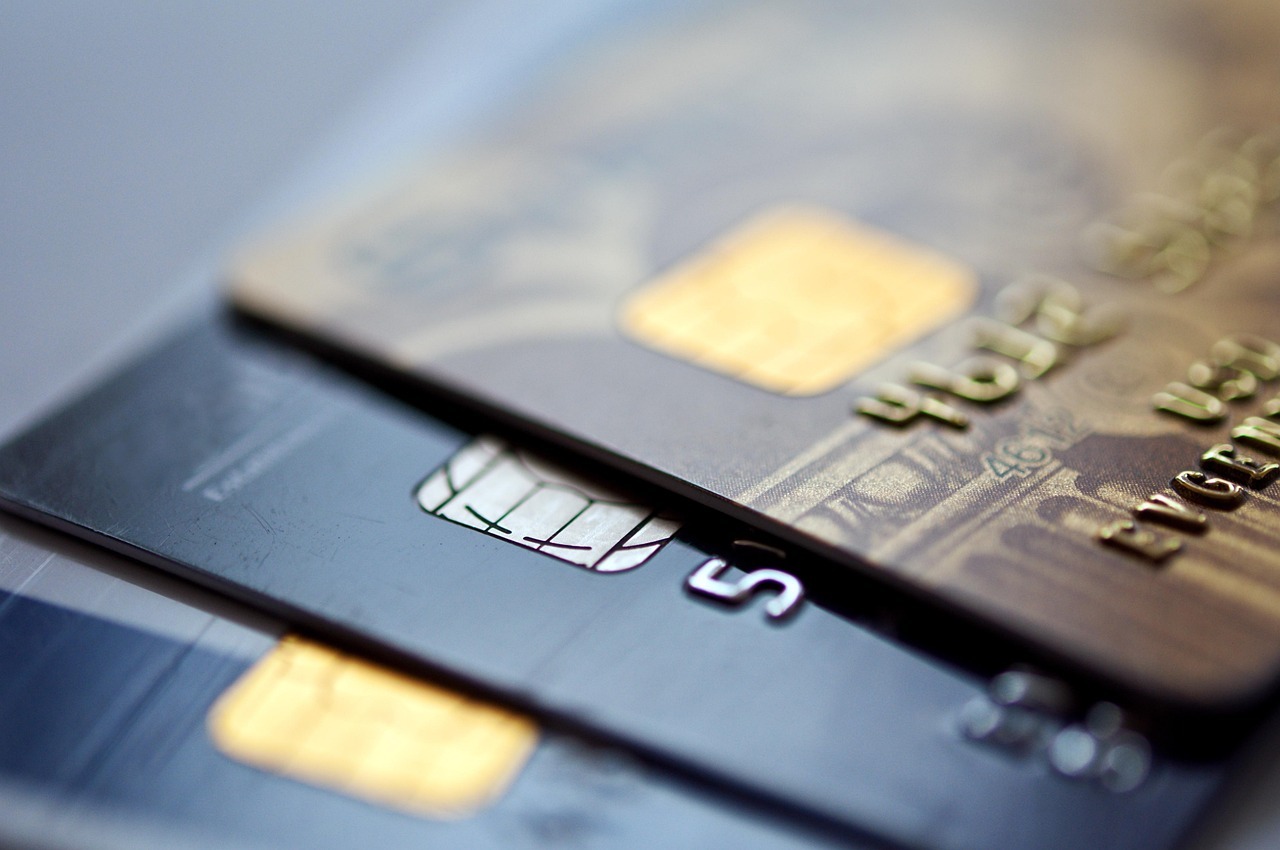
President Trump has returned once again to the well of half-baked populist economic proposals in his quest to tackle affordability. His latest idea is straight from the brain trust of Elizabeth Warren, Bernie Sanders, and Alexandria Ocasio-Cortez: capping the interest rate that credit card issuers can charge borrowers at 10 percent.
If Trump could achieve this policy, it would be a disaster for American consumers. Fortunately, he has no authority to do so.
Usurping private terms of credit between willing lenders and borrowers is not a legitimate role of our federal government of limited powers, regardless of the branch that pursues it. But if any branch could enshrine such a policy nationwide, it must be Congress. No statute permits the president to wield such essentially legislative power. That may be why Trump hasn’t even bothered to publish an executive order yet to codify his demand — typically one of his favorite activities.
If having no authority wasn’t bad enough, there is also no compelling impetus for this policy. Changes in credit card interest rates have tracked changes in underlying rates that banks pay to borrow reserves, which are then lent out to consumers. The credit card issuer market is highly competitive, with innumerable banks and non-bank lenders challenging each other on borrowing limits, cardholder rewards, and, yes, interest rates.
The reason that credit cards have much higher interest rates than other loan types is the high risk of nonpayment that must be compensated for. As of last year, 12.4 percent of credit card balances are severely delinquent, or more than 90 days past due — the highest level since 2011. Unlike mortgages and auto loans, credit cards are not secured by any real property that can be seized and sold if borrowers default. The only way to cover such losses is through interest payments.