The House Finance Committee passed ESSB 6346 on a 9-6 vote, with only one Democrat, Rep. Walen, voting against the proposed 9.9% income tax. This despite over 100,000 people signing up in opposition to the bill, making it the most unpopular bill in state history.
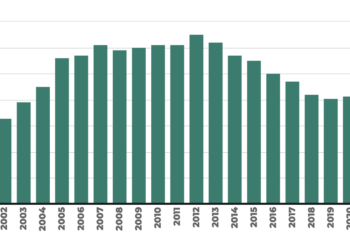
Washington doesn’t have a revenue problem. The 2025-27 state operating budget is $95 billion, up from roughly $30 billion a decade ago. Lawmakers have imposed $18 billion in new taxes since 2019 alone. And they’re still running deficits. Not because they don’t have enough money, but because every new dollar gets spent and then some. An income tax won’t break that cycle. More revenue for the current majority party means more spending, which means larger future deficits, which means the next push for even higher taxes.
The committee released a new striking amendment and adopted a series of other committee amendments this morning. The changes are mostly around the edges, and several make the bill worse for businesses.
What the striker adds:
- 90% gambling loss deduction, capped at gambling income.
- Nonresident convention speaker exclusion.
Without this, a keynote speaker flying in for a trade show would owe Washington income tax.
- Child support enforcement provisions.
Compliance language to meet federal requirements.
- $150 million per fiscal year cap on public defense distributions.
The underlying bill dedicates 7% of revenue with no dollar limit. The striker puts a ceiling on it, which means the public defense fund could get less than 7% if revenues come in high.
- Wholesale food sales exempt from the B&O surcharge.
An acknowledgment that the surcharge was crushing independent food wholesalers operating on razor-thin margins, margins that don’t survive a 0.5% tax on gross receipts.
- K-12 schools, school districts, and ESDs exempt from the new service taxes passed under ESSB 5814 last session.
The legislature taxed services last year, then had to turn around and exempt schools from their own tax.
- Live presentations by nonprofits and before/after school care at elementary schools carved out from the service sales tax.
Another cleanup of last session’s mess.
What the committee amendments add:
- B&O surcharge early expiration removed (H-3703.1).
This amendment, by Rep. Shaun Scott, hits Amazon, Microsoft, and our other big businesses. The underlying bill moved a surcharge expiration up from 2029 to 2028, giving businesses relief from this surcharge a year sooner. This amendment strips that out. So, businesses lose an early off-ramp and get squeezed from both the surcharge and the income tax simultaneously.
- Diaper sales tax exemption (H-3705.1).
The same exemption Democrats voted down in Senate committee.
- Expanded tribal income exemption (TAYT 537).
Adds specific exemptions for income earned on tribal lands and from allotted and restricted Indian lands.
- Advisory group for DOR implementation (TAYT 541).
The Department of Revenue has never administered an income tax. This group, with reports due in December 2026 and 2027, is essentially an admission that the state has no idea how to operationalize this yet.
- Service tax repeal moved up one year (TAYT 539).
The repeal of the non-advertising service taxes from ESSB 5814 moves from 2030 to 2029. Small relief, but it’s something.
The bill now heads to the House floor for a full vote next week, where I expect we’ll see a slew of additional amendments. After that, it goes back to the Senate for concurrence on whatever the House changes. Please continue reaching out to your legislators to tell them you don’t want an income tax in Washington.