Philip Wallach assesses the impact of the US Supreme Court’s recent tariff ruling.
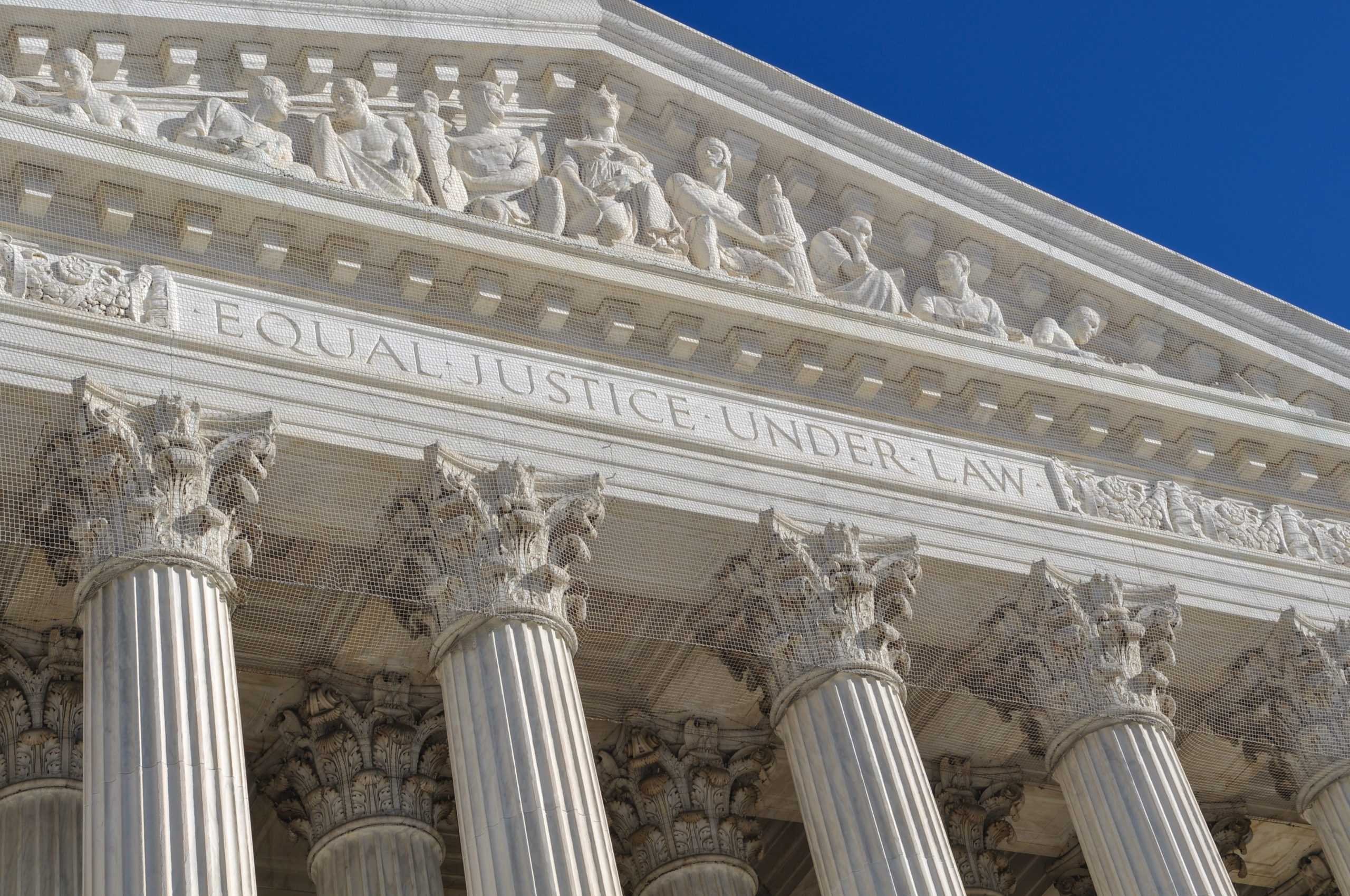
If Donald Trump had a motto, it might be: Have carrots ready but start with sticks. With Learning Resources v. Trump, in which a 6-3 Supreme Court majority struck down Trump’s largest group of tariffs, America’s judiciary has disarmed the president of one of his favorite sticks.
He will no doubt find others. Yet the justices have struck an important blow for our constitutional separation of powers. They have made it clear that presidents who set themselves up as independent lawmakers generally make themselves law-breakers. This message comes across loud and clear, even if the justices are bedeviled by disagreements as to the appropriate rationale for their decision.
In his second administration, Trump’s go-to stick for international relations had been the power to set tariffs at his discretion, without intervening delay, and without any process requirement more troublesome than getting his lawyers to gin up a cursory emergency declaration. He derived this power from a novel interpretation of the International Emergency Economic Powers Act of 1977.
Legislators passed that statute, which never mentions tariffs, to limit the president’s emergency powers relative to its predecessor statute, the Trading With the Enemy Act. It had never been used as a basis for tariffs before. Far from slowing Trump down, though, the lack of precedents for IEEPA tariffs made them especially appealing to the administration—a blank canvas waiting for a visionary artist. At least, that is how the president saw things. …
… But the IEEPA tariffs were a novelty and one felt that Trump’s love for their apparent lack of constraints rivaled his love for the trade barriers themselves. He slapped a massive tariff on Brazil, notwithstanding the United States having a trade surplus with the South American nation. The rationale? Its criminal prosecution of its former leader, a Trump superfan, allegedly constituted a threat to America’s national security.