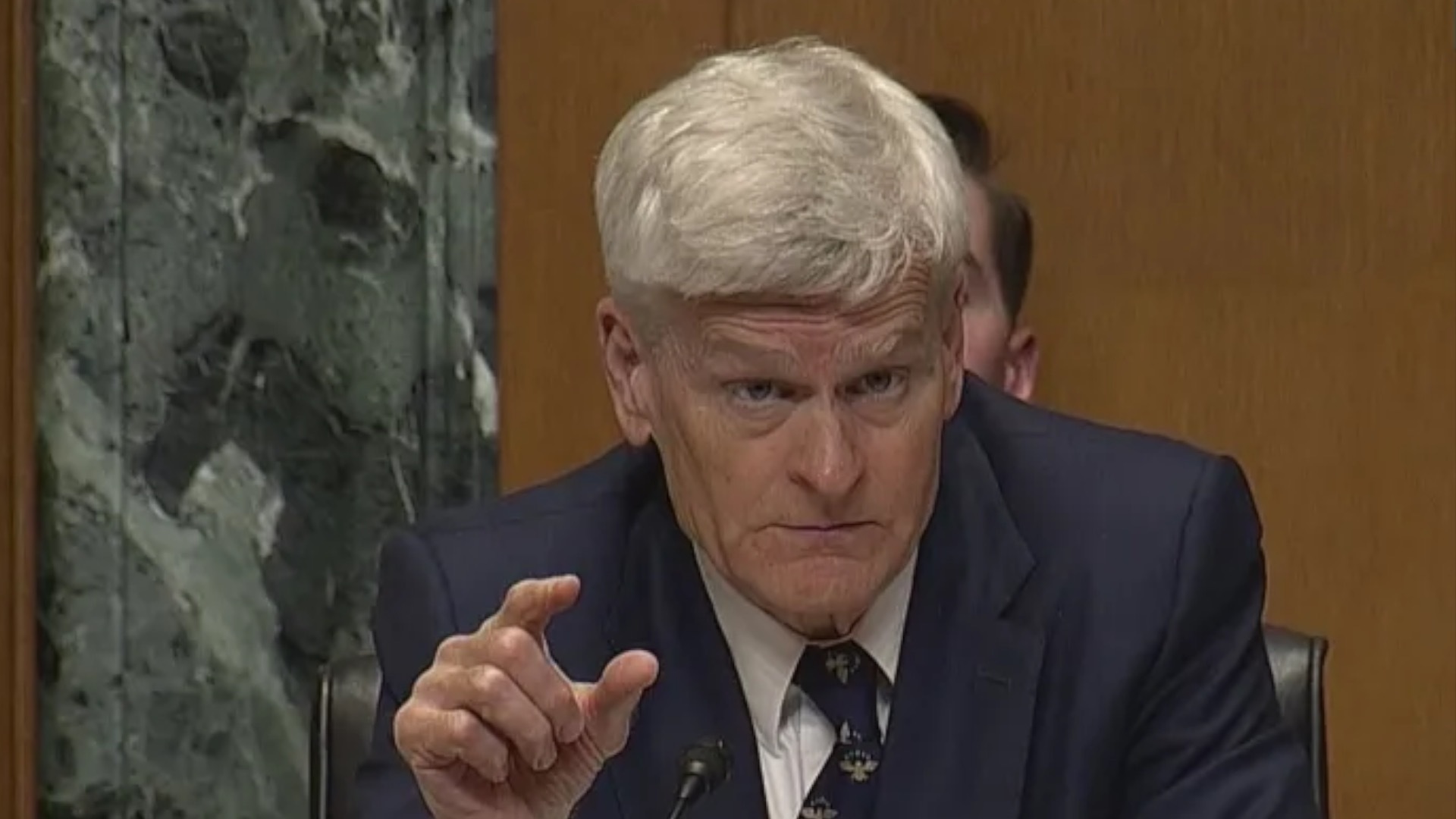
Christopher Jacobs writes for the Federalist about one Republican senator’s dubious actions.
As I’ve chronicled in these pages countless times, the examples of waste, fraud, and abuse within the federal government and federal health programs seem too numerous to mention. Why do they persist? Because some in Washington seem insistent on defending the scammers.
Among the defenders is none other than Sen. Bill Cassidy, R-La. When the Trump administration acted last year to rein in “skin substitutes,” a major source of abuse within the Medicare program, Cassidy introduced legislation that would let the scammers continue to profit. As the incumbent senator struggles to obtain traction in his reelection bid this November, Louisiana seniors should know how Cassidy attempted to keep this scam going — and hike their Medicare premiums in the process.
An investigation by The New York Times explained how the skin substitute abuse stemmed from two factors. First, Medicare has provided coverage of wound care in patients’ homes since 2020. Second, the federal government would reimburse the full price of any new skin substitute during its first six months on the market, no matter how high.
It doesn’t take a rocket scientist to figure out the result. Companies introduced “new” skin substitute products, which in many cases amounted to glorified Band-Aids, every six months and always at a higher price point than the last ones. They discounted the cost of the substitutes to doctors, giving physicians an incentive to get in on the action. By buying the substitutes at a discounted price and then charging Medicare the full rate, doctors could profit handsomely.
And profit they did. Spending on skin substitutes reportedly shot from $256 million in 2021 to an estimated $15.4 billion last year — a more than 60-fold increase in just four short years. Medicare was spending more on skin substitutes than it was paying for ambulances or anesthesia.