The following appeared in the Albuquerque Journal on April 4, 2026

Albuquerque’s “progressives” are at it again. Ever since Republican RJ Berry won a three-way election for mayor in 2009 (against two Democrats), Albuquerque has had runoff elections requiring candidates to achieve more than 50% of the vote. These runoffs can be costly. The city spent $1.6 million to administer last year’s runoff election, which included the mayoral showdown between incumbent Tim Keller and challenger Darren White, along with two council races.
But progressives still aren’t happy. Now they are pushing so-called “ranked choice voting.” Final passage of this plan could come as soon as the April 6 council meeting.
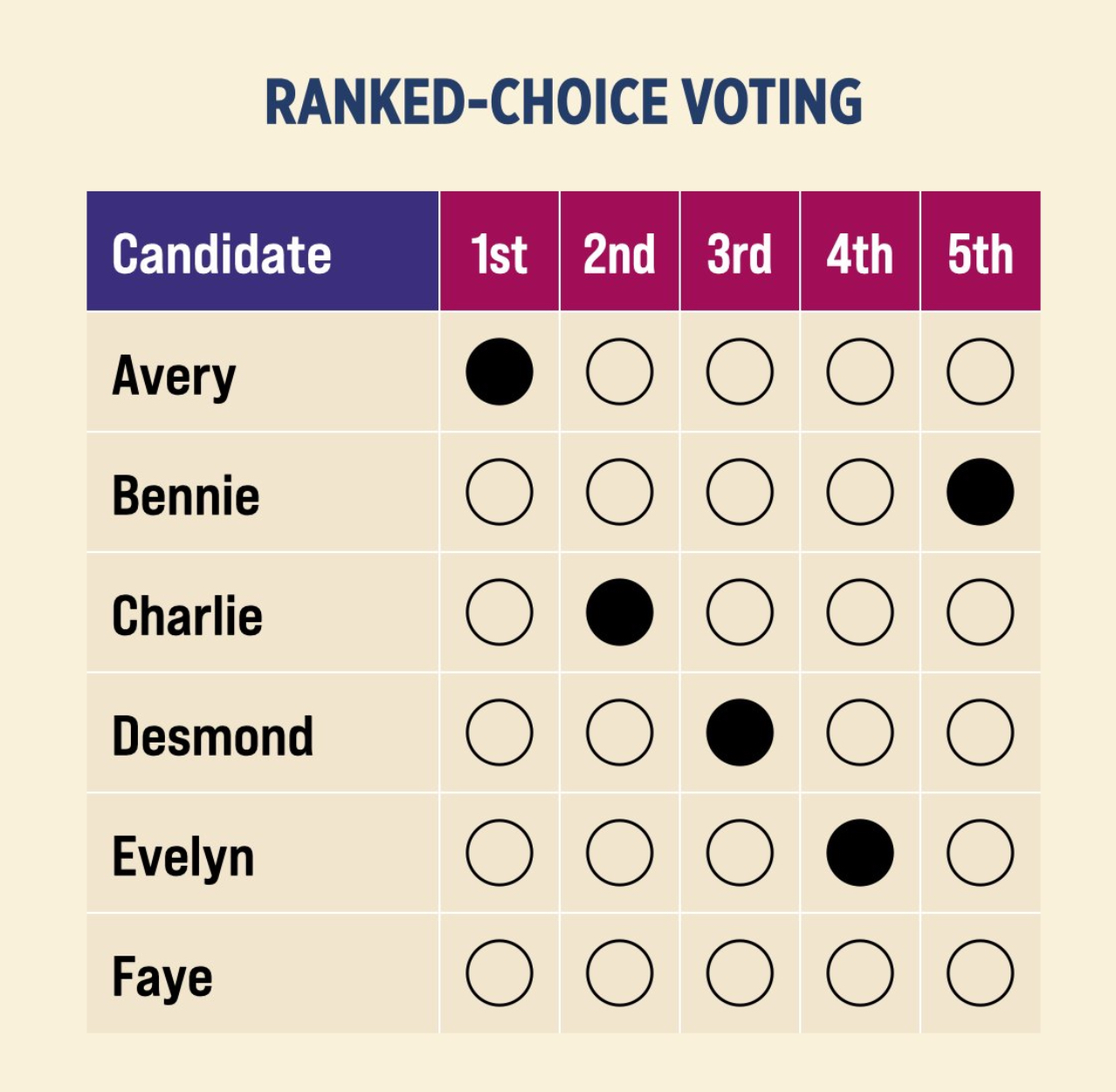
The idea behind ranked-choice voting is to get voters to express “preferences” about multiple candidates, rather than just voting for one. Ranked choice voting raises questions about one-person, one-vote, but that’s only the beginning of the problems. The system makes elections more difficult from start to finish, slowing the process and introducing new possibilities for errors and irregularities.
It starts with the ballot. In a normal election, a voter can vote once for each office. If there are six offices up for election, that means voting for six candidates — one for each office. With a ranked-choice ballot, however, if there are five candidates running for each of those offices, then a voter is supposed to “vote” 30 times, ranking all five candidates for each of the six offices.
This requires a longer, more complicated ballot with more instructions, more pages and more ways to make mistakes. The process takes longer, which means more ballots are left incomplete. Many voters simply don’t have opinions about who is their third, fourth or fifth choice in most elections. Yet leaving rankings blank creates the possibility of a ballot being excluded from the final results.
Counting ranked-choice ballots must be centralized and can only proceed after all ballots are returned and adjudicated. Initially, only first-preference votes are counted. If a candidate has a majority, he or she wins (and the whole ranked-choice process becomes irrelevant). If not, then the least popular candidate is eliminated, ballots with that candidate first are “adjusted” to move up the second preference to be counted as a first preference, and there is a new round of counting. Any of those ballots that have no second preference are eliminated.
This means that some ballots are counted for the same candidate in every round, while voters who prefer the least popular candidates may be counted for several different candidates as their choices are eliminated. If a voter’s preference is eliminated with no more rankings, then that voter’s ballot is considered “exhausted” and is not included in any further counting or in the final results.
In the wake of the 2025 city election, the Santa Fe New Mexican carried the headline “Nearly Eight Years Later Ranked Choice Voting Still Causing Confusion Among the Electorate.” No wonder voters in neighboring Arizona and Colorado both rejected ranked-choice voting ballot measures in 2024.
It turns out that Americans prefer elections where it is easy to vote, simple to count the votes, and easy to understand and verify the results. Albuquerque City Council should abandon efforts to foist ranked choice voting onto local elections.
Paul Gessing is President of the Rio Grande Foundation and Trent England is an elections expert and the founder and executive director of Save Our States.