Robert Doar explores the continuing impact of one of the US Supreme Court’s most significant justices.
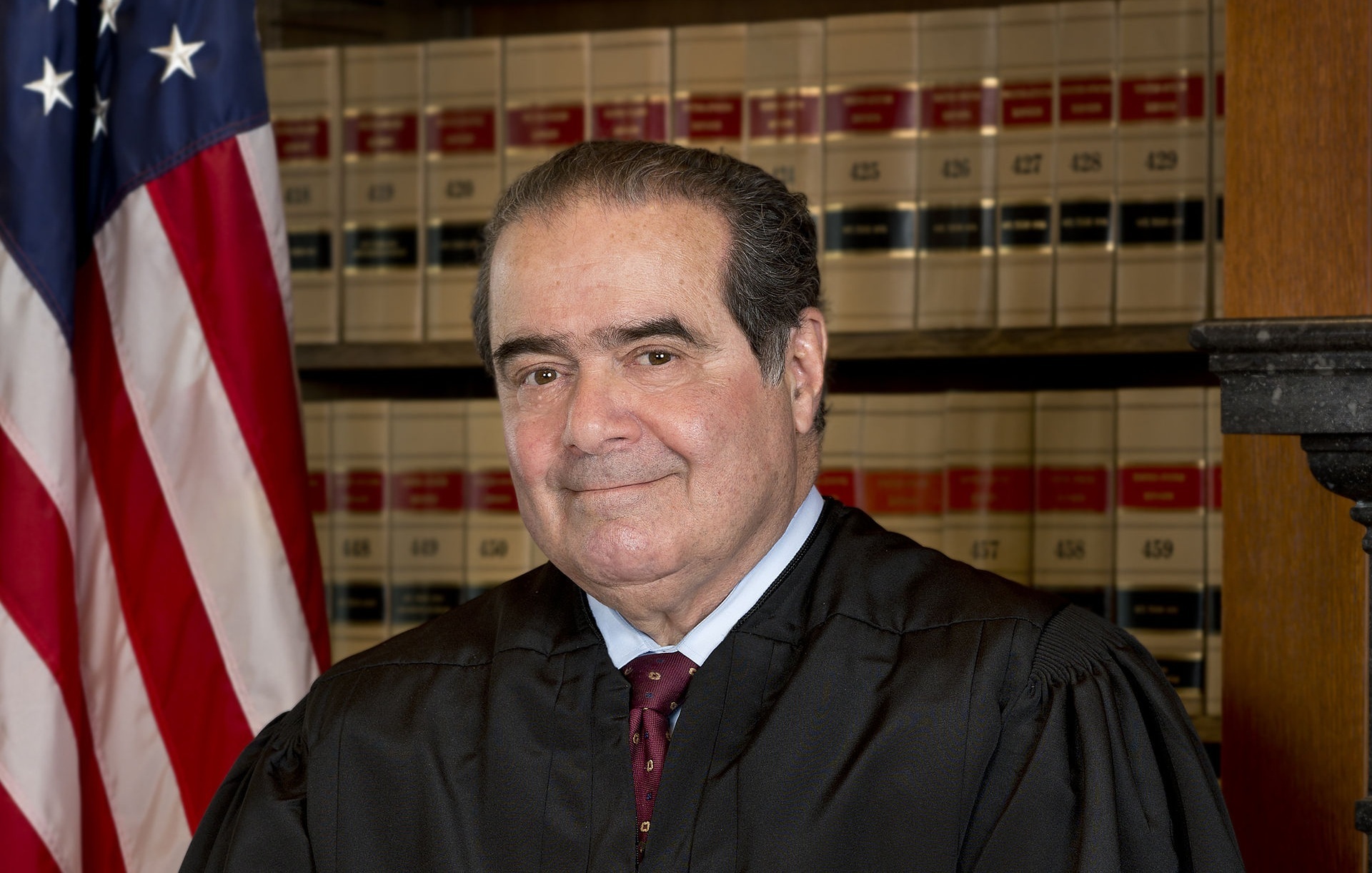
Ten years on, the constitutional jurisprudence that Justice Scalia spent his life building has prevailed. On the separation of powers, religious liberty, judicial review, and so many other topics, it is Scalia’s originalist vision that now guides judges, lawyers, and elected officials after decades when “living constitutionalism” and judicial activism held sway. As even Justice Elena Kagan has conceded, “We are all originalists.” It might not have worked out that way. In Scalia’s last term on the Court, originalism was losing. His dissents were powerful, but they were dissents. Over his objections, the Court struck down Texas abortion restrictions, upheld Obamacare against a second legal challenge, and created a new constitutional right out of thin air in Obergefell v. Hodges.
Back then, despite decades of work by the conservative legal movement, the Court remained unwilling to follow the original understanding of the Constitution in the most important cases. And with Justice Scalia’s death, we had lost our most important champion on the Court, creating a vacancy that progressives were eager to fill.
But this low point would be the start of a dramatic turnaround. Senate Majority Leader Mitch McConnell’s brave stand held the seat open so the people’s will could be heard, and conservative victories in the 2016 elections created the opportunity to not just fill Justice Scalia’s seat but also change the broader balance of power in the Court. Years of work by AEI, the Federalist Society most of all, and other groups to develop scholarship and professional networks—work Scalia himself helped start as an AEI scholar in the 1970s and ‘80s—had created a bench of deeply principled and committed originalists ready to fill vacancies and advance constitutional renewal.
And it paid off. The elevation of Justices Neil Gorsuch, Brett Kavanaugh, and Amy Coney Barrett— who clerked for Scalia on the Court—transformed the judiciary. These justices joined Justice Clarence Thomas, Justice Samuel Alito, and Chief Justice John Roberts to create a durable originalist majority.