Editors at National Review Online assess a high-profile eastern European election result.
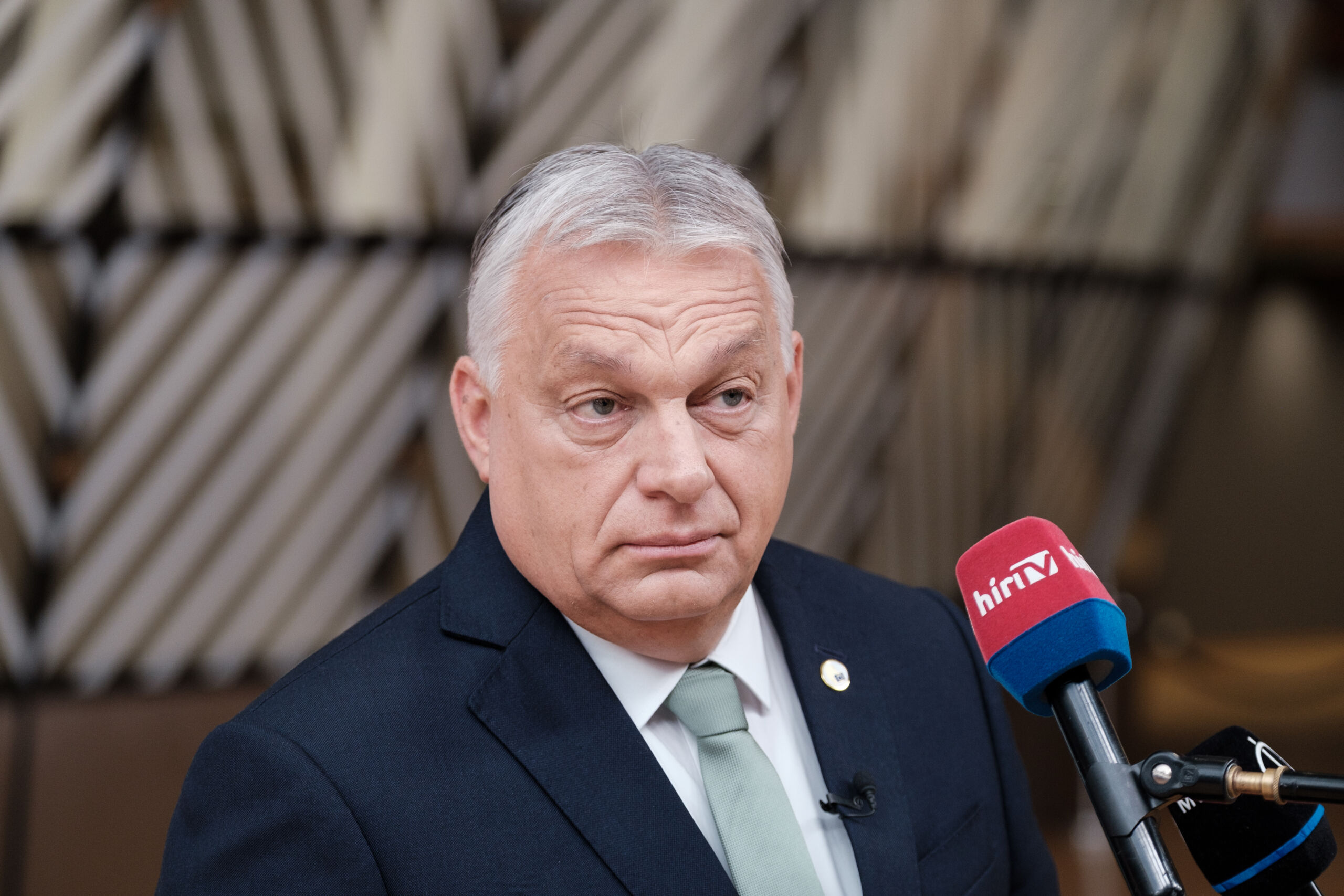
For a supposed despot, Viktor Orbán accepted his election shellacking gracefully. The scale of that defeat, ironically, was magnified by the way that Fidesz, Orbán’s party, had gerrymandered the electoral system. Fidesz won some 38 percent of the vote (more than Keir Starmer got in his election) but will only have 29 percent of the seats in the new parliament. A lesson for gerrymanderers everywhere: Be careful what you wish for. Péter Magyar’s Tisza will have a supermajority and, thus, a fairly free hand to do what it wants when it comes to undoing Orbán’s handiwork.
Magyar will become prime minister on, probably, May 5. The obvious question is, What then? Magyar, a former Fidesz stalwart, only broke with Orbán in 2024 over, he said, cronyism and corruption, of which there was plenty enough and which in the end helped, directly and indirectly, bring Orbán down. Directly, because voters grew exasperated with it; indirectly, because of the way that it was intimately connected to the statist policies that led to the economic underperformance that so angered Hungary’s voters. After 16 years in power, Orbán was hard-pressed to avoid the centrifugal forces of politics.
Fixing Hungary’s economy will have to be a major priority for Magyar, who appears to favor the free market economic approach of the younger Orbán. It served Hungary well at the time and should do so again. Right-populists everywhere should take note that their project requires prosperity. Meanwhile, Magyar is, quite rightly, committed to maintaining (and maybe even toughening) Orbán’s hard line on immigration, one of the areas that could well be a source of future conflict with the EU.
On the other hand, Brussels will welcome, as do we, Magyar’s wish to break with Orbán’s hostility to Ukraine.