Editors at National Review Online explore one of today’s more bizarre political conflicts.
The war between the United States and Iran, now in its seventh week, has produced an extraordinary confrontation — not just between two nations, but between two Americans who each believe that God is on his side. One sits in the Oval Office. The other, until recently, was on a plane to Algeria.
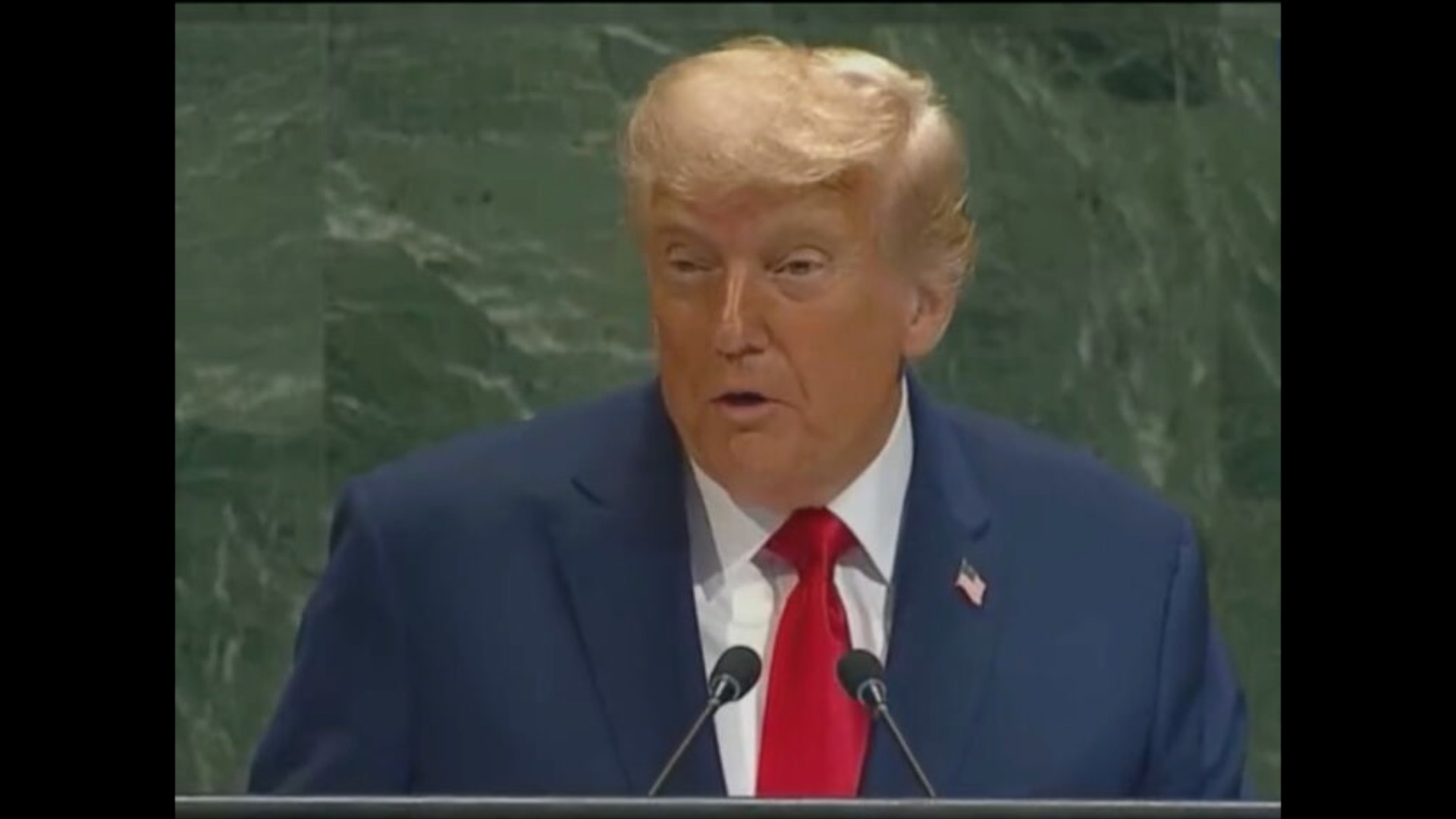
The fight between President Trump and Pope Leo XIV broke into the open Sunday night, when Trump posted that “Leo should get his act together as Pope, use Common Sense, stop catering to the Radical Left, and focus on being a Great Pope, not a Politician.” On Monday, Leo, who spent decades as a missionary in Peru and knows something about speaking truth to distant power, answered that “I have no fear of the Trump administration or speaking out loudly of the message of the Gospel, which is what I believe I am here to do.” …
… [T]he president has made the pope’s job considerably easier. On April 7, Trump warned on social media that “a whole civilization will die tonight, never to be brought back again.” The statement was connected to an ultimatum over the Strait of Hormuz, and Trump ultimately pulled back from its most apocalyptic implications when Pakistan brokered a two-week cease-fire. But words have consequences, and these words handed critics a loaded weapon.
The Catholic just war tradition requires, among other things, right intention and proportionality. Trump’s threat to target “every” Iranian bridge and power plant is precisely the kind of statement that gives the tradition’s critics grounds to say the criteria are not being met. It doesn’t matter that Trump is a brawler who talks bigger than he acts. In the domain of moral theology, you are judged by what you say as well as what you do.