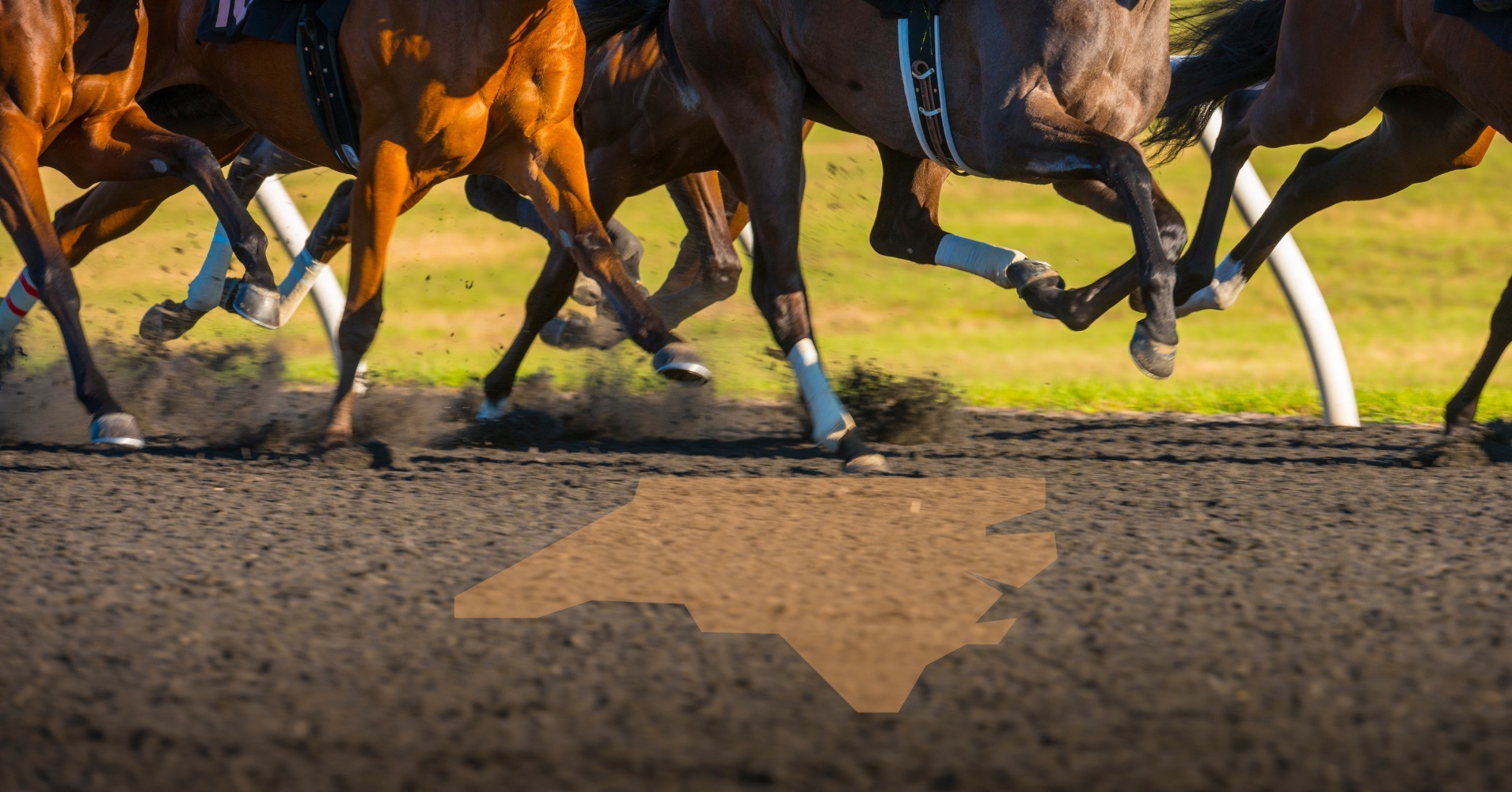
I can’t watch the Kentucky Derby without thinking of North Carolina’s heritage of horse racing, particularly in the region around the colonial town of Halifax. The staff at the Halifax Historic Site told me a story that when General Lord Cornwallis was on the march north to Virginia from Wilmington (ultimately to his demise at Yorktown), he came through the town of Halifax and camped there for about a week in early May, 1781.
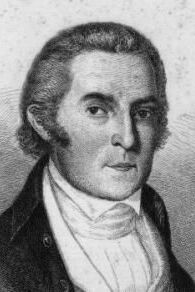
Cornwallis apparently loved horses, and the story goes that workers on Revolutionary hero and firebrand Willie Jones’ farm took and hid his prized steeds in the swamps to keep them from being taken. The British force was not only in search of horses. Apparently, the soldiers plundered homes, taking family valuables, livestock, and other items to the level that Cornwallis court-martialed and executed a sergeant and a dragoon for their roguish actions.
An old story showing how important horses were to the community in those days relates how a young girl interacted with infamous British cavalry leader Colonel Banastre “Bloody Ban” Tarleton:
“After the soldiers had pillaged a farm, a young girl, Miss Bishop, found that her favorite pony had been taken. Despite her young age, she went on foot, at night, and unarmed to the British camp.”
“By means unknown, she managed to get an audience with Tarleton. Raising herself erect, she said, “I have come to you, sir, to demand restoration of my property, which your knavish fellows stole from my father’s yard.”
“Tarleton, taken completely by surprise, answered, saying, “Let me understand you.” Accordingly, Miss Bishop stated her case. “Well, sir, your roguish men in red coats came to my father’s yard about sundown, and stole my pony, and I have walked here alone and unprotected to claim him and demand him; and sir, I must and will have him. I fear not your men; they are base and unprincipled enough to dare to offer insult to any unprotected female, but their cowardly hearts will prevent them from doing her bodily injury.”
“When the light of a campfire in the distance revealed her pet pony, she continued. “There, sir, is my horse. I shall mount him and ride peaceably home, and if you have any of the gentlemanly feeling within you of which your men are totally destitute, or if you have any regard for their safety, you will see, sir, that I am not interrupted. But before I go I wish to say to you, that he who can, and will not prevent this base and cowardly stealing from hen roost, stables, and barnyards, is no better, in my estimation, than the mean, good-for-nothing, guilty wretches who do the dirty work with their own hands! Good night, sir.”
“With nothing left to say, she took her pony and galloped safely home. Tarleton was so surprised that he ordered that she be permitted to do as she pleased.
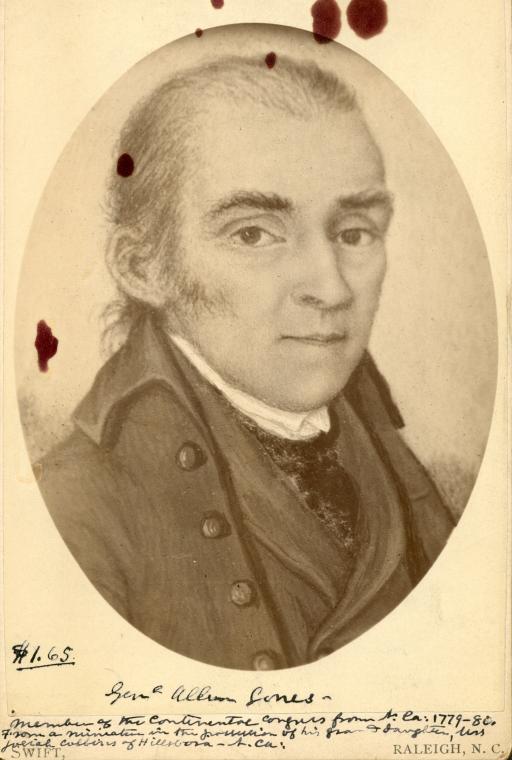
A Facebook post from Historic Halifax reminds us of the rich horse history of the area. Willie Jones and his brother Allen, along with Halifax neighbor William R. Davie, were big in raising and racing horses. Davie even owned at one time renowned champion Sir Archie, a progenitor of the American thoroughbred horse line that produced modern-day heroes Man O’ War, Secretariat, and SeaBiscuit.
The post talks about how, in those races, the horses competed for four-mile heats, compared to today’s 1 ¼ miles. Several years ago, I was visiting an older gentleman who took me to a colonial era farm outside of Warrenton, NC, where racehorses were raised and raced – including Sir Archie – that had a racetrack on it. He told me the eastern side of the long track was the modern-day highway U.S. 401 leading into Warrenton from the south.
It’s kind of hard to imagine horse pastures like you see in Kentucky’s Bluegrass area in the farm fields and timber growing area of northeastern North Carolina. But when you see the energy and pageantry surrounding the Kentucky Derby, it’s fun to wonder “what if.”
_(frame_cropped).jpg)