MIDLAND, Mich. — State film incentive programs fail to deliver economic benefits, harm state budgets and leave taxpayers on the hook for Hollywood finances, the Mackinac Center for Public Policy reports in a new policy brief “The False Promise of Film Incentives.”
These programs cost taxpayers billions of dollars but generate minimal long-term jobs or growth. They rarely influence filming location decisions and seldom create sustained economic activity.
“Film incentives are a textbook case of good intentions producing bad results,” said Michael Thom, University of Southern California professor and author of the brief. “They fail to create lasting economic value, and they waste taxpayer dollars on a program that consistently underdelivers.”
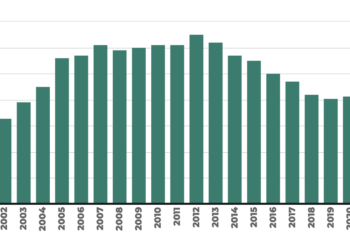
The incentives boomed in the late 1990s as states competed to lure productions from California and New York. By 2010, more than 40 states and Puerto Rico were spending nearly $2 billion per year. Yet Thom’s analysis confirms that production incentives consistently underperform. Several states, including Michigan, have since terminated their programs due to high costs, weak returns, and mismanagement.
Nevertheless, some states are expanding incentives, and bills to resurrect a film program in Michigan were introduced last legislative session. The brief cautions against repeating this failed pattern, outlining a predictable “failure sequence” in which subsidies produce little activity and cut into the state’s tax revenue. The fleeting benefits of increased production fail to offset the cost of the programs.
The report further notes that declining box office revenues as well as rising competition from streaming services and user-generated content make the economic case for subsidies even weaker.
Policymakers should reject corporate welfare and focus instead on broad-based economic growth.
Read the full policy brief here.