“This really underscores why we need to reform state and federal permitting laws so Montana can build things again.”
The following has been adapted from an excerpt of the Frontier Weekly Newsletter written by Kendall Cotton for the May 21st edition.
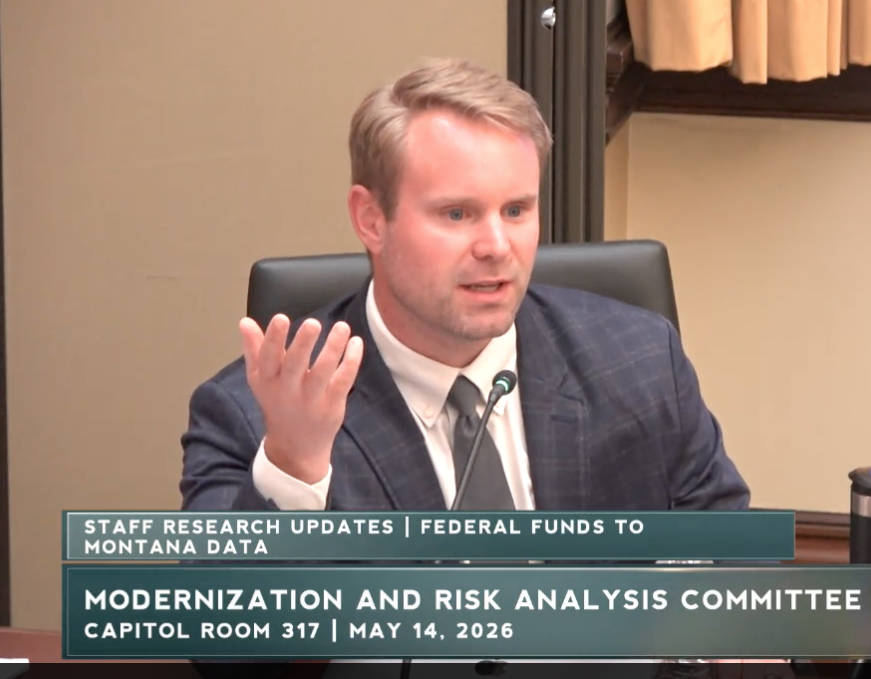
Last week I joined the latest meeting of the MARA Committee. This committee is basically the legislature’s “data” committee, guiding the Legislative Fiscal Division’s research into different state policy issues. I serve as a public member.
There were some important takeaways for our followers:
Data Centers
There were some great presentations about the energy challenges for states presented by data centers. One slide had an excellent visual depicting how incredibly long it takes to upgrade grid infrastructure due to the endless permitting red tape:
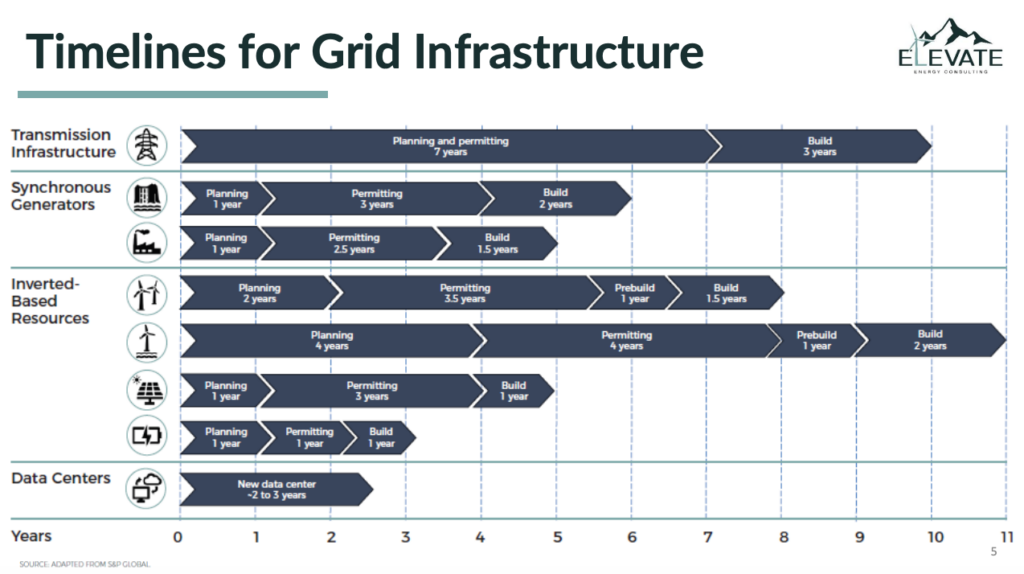
This really underscores why we need to reform state and federal permitting laws so Montana can build things again.
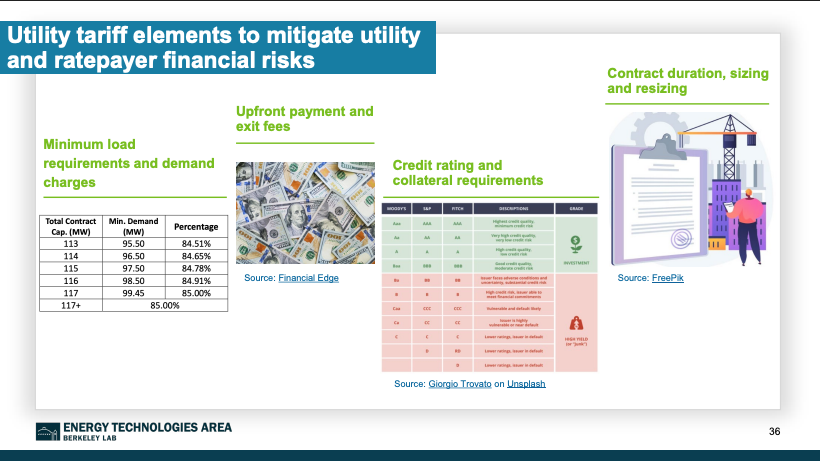
These presentations also highlighted ways in which utility tariffs can protect ratepayers from socializing the costs of new large load customers like data centers. As I emphasized last week, Montana utilities and PSC already can and are implementing tariff policies, no new data-center legislation required.
Water Infrastructure Study
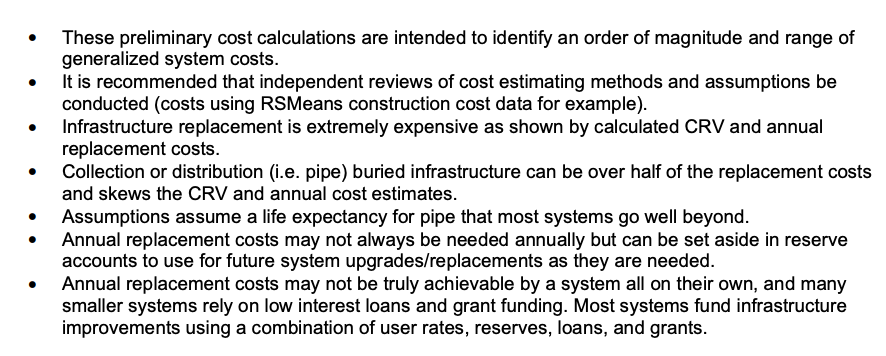
LFD has contracted an engineering firm to begin to catalogue and quantify the maintenance needs of all of the local government drinking water and wastewater systems. This data can be very useful for anticipating future infrastructure needs, and probably will invite future legislation that directs more state funding to local water investments.
I cautioned that this data will rely on significant assumptions that could inflate maintenance cost estimates far beyond reality. Even the report notes this:
Lawmakers should be cautious about large state investments in general, and especially those which rely on assumptions. Don’t rush too aggressively and commit hundreds of millions in taxpayer funding towards water investments without further independent validation of actual needs.
State Employee Pay Differentials
Montana faces real challenges hiring and retaining talented employees to fill critical positions in state government. In response, LFD is exploring the idea of targeted “pay differentials” for state employees.
“Pay differentials” is government-speak for targeted boosts to state employee compensation. For instance, a policy could allow boosted pay based on geographic cost of living differences. Or, this could allow for the state to temporarily boost compensation to help fill a critical or hard-to-recruit position.
This might seem reasonable, but policymakers should approach pay differentials cautiously. Without proper budget safeguards, targeted boosts to employee pay might lead to higher overall personnel spending for the state government at the expense of taxpayers.
Federal Funds
LFD is preparing data to visualize the federal funding that state government is reliant on. Here’s a preliminary visual they created depicting all federal funding flowing to Montana (this includes things like social security, medicare etc.)
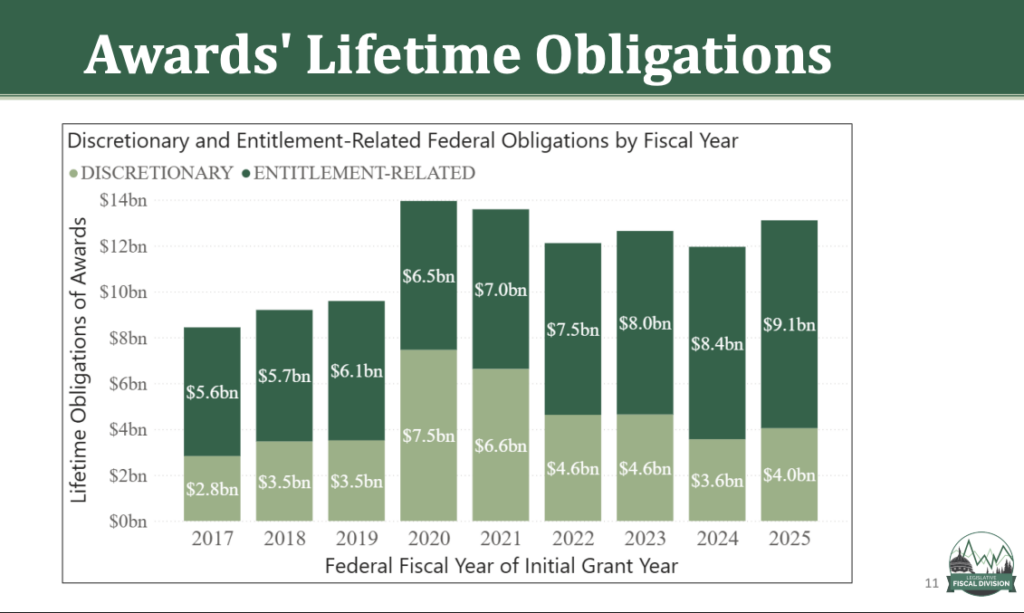
I recommended that LFD researchers should attempt to include unreimbursed costs associated with federal grants the state receives. As we’ve noted before, federal money comes with strings attached and often requires the state to match funds, maintain a set level of program spending, comply with reporting requirements that cost staff time etc. So lawmakers shouldn’t just pay attention to the total $ flowing into the state, they should also be understanding what we are required to do in return for taking the money.