Jim Geraghty of National Review Online explores a likely presidential campaign from a high-profile leftist.
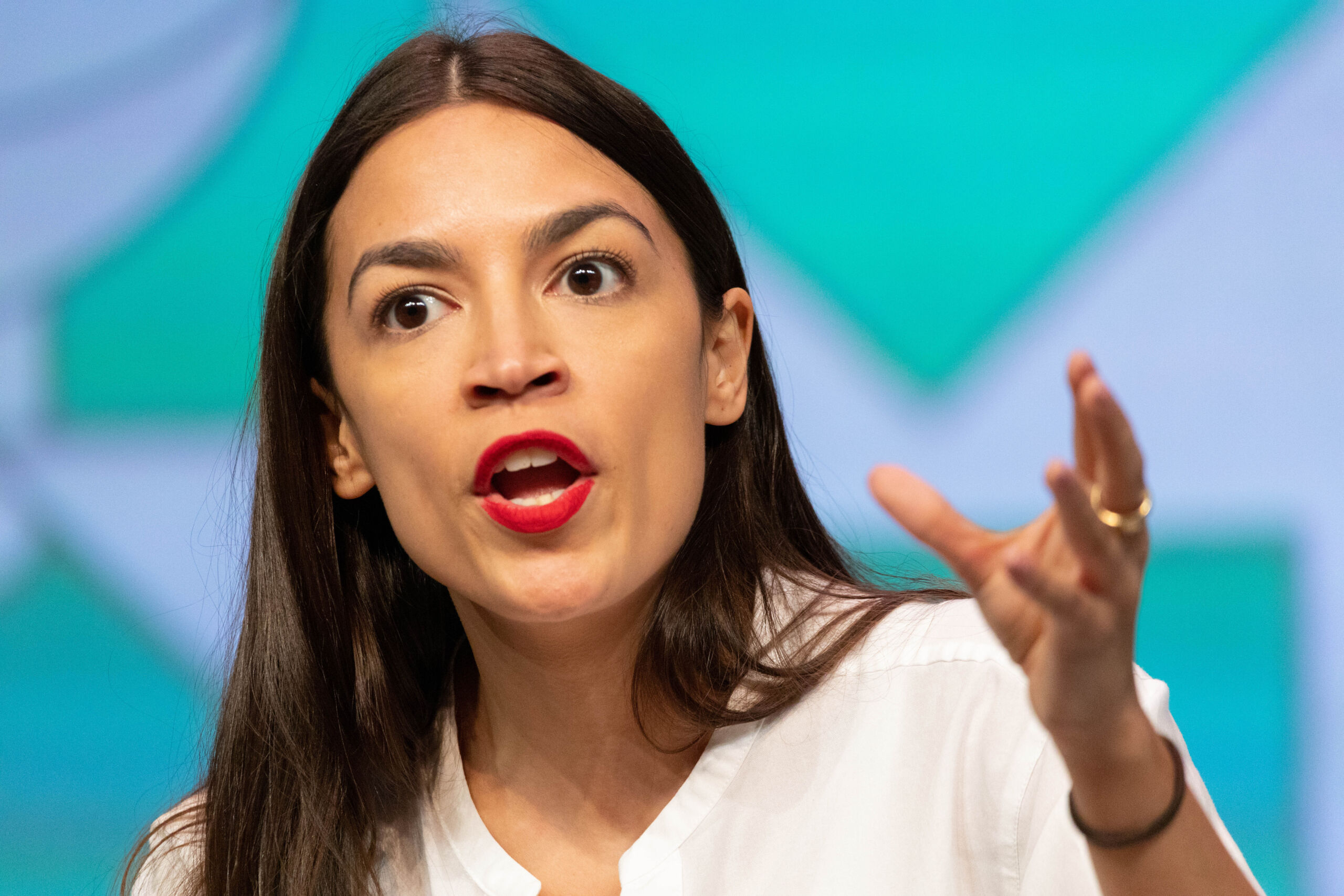
Axios reports that New York Democratic Representative Alexandria Ocasio-Cortez is “making new moves toward a possible White House bid. Ocasio-Cortez launched a national tour in recent weeks — without calling it one. Democratic operatives expect she would easily raise $100 million just from small-dollar donors, mobilize many supporters of Vermont Sen. Bernie Sanders’ past campaigns, and command attention as few other candidates could.”
When lots of people tell a party’s rising star that he should run for president, he often ends up running for president. (AOC was elected in 2018, so she’s probably not a “rising star” in Democratic politics anymore; she’s a full-on star.) There’s no guarantee that four to eight years from now, Democrats will be as enamored with her. Every incentive is to strike when the iron is hot, and if you’re a Democrat, you probably feel pretty good about your odds in 2028 in a national electorate likely to be absolutely exhausted from the Trump era.
This is not good news for the U.S., which faces a dangerous world now and is likely to face a comparably dangerous world when the next president takes the oath of office on January 20, 2029. In February, when AOC went to the Munich Security Conference, she was asked a very basic yes-or-no question of “would and should the U.S. actually commit U.S. troops to defend Taiwan if China were to [invade]” and answered with incoherent word salad. If the congresswoman had ever put any thought into what the U.S. ought to do in that scenario, she hid it exceptionally well.
Her broader remarks weren’t much better. Asked about balancing a need for increased defense spending and nations’ debts, she veered back into familiar territory about “reining in corporations” and the “billionaire class.” She offered generic comments that international aid is good, and rote denunciation of “NAFTA as a failed policy for many rural and working-class communities.” (NAFTA was replaced on July 1, 2020.) The Democratic Party is still anti-free trade, even as they denounce Trump’s tariffs.