Our electric bills are about to go up. Most Texans have no idea why.
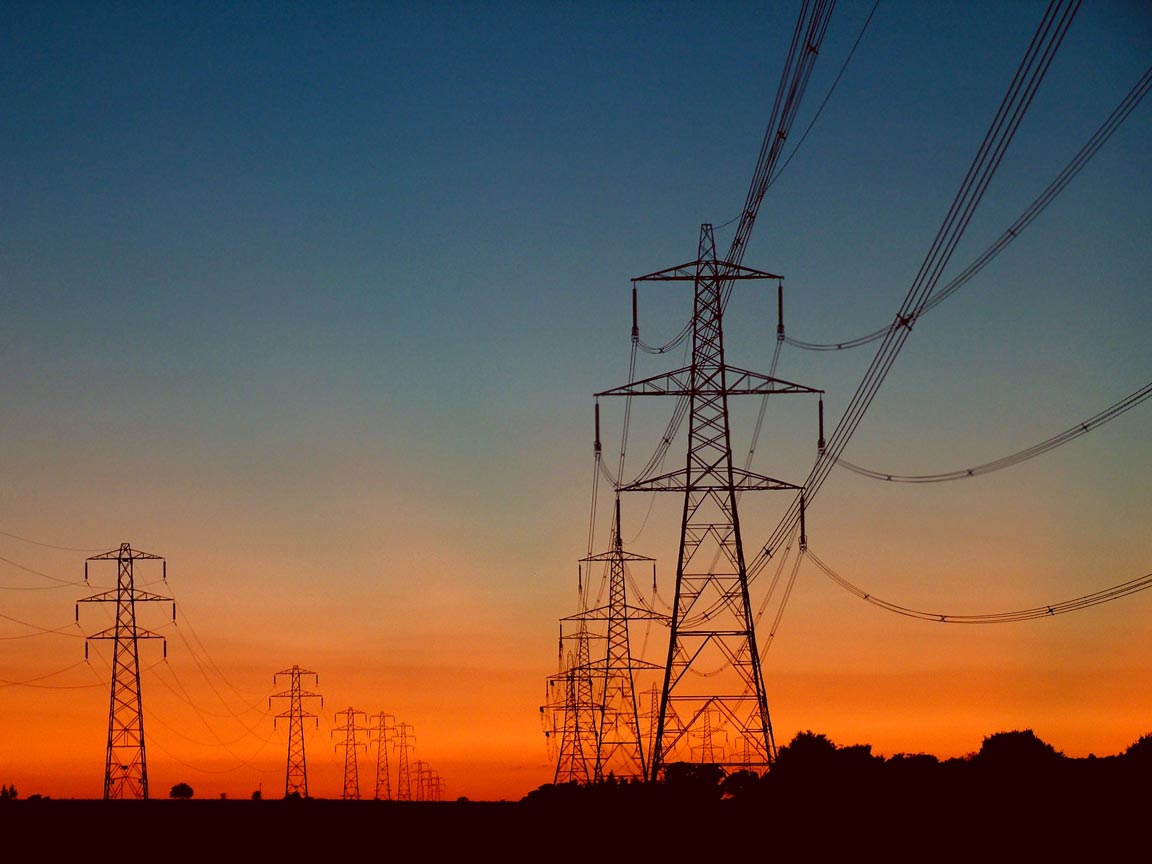
Texas regulators approved $33 billion in new high-voltage power lines (the Strategic Transmission Expansion Plan, or STEP) without a single legislative vote. Factor in financing, maintenance, and taxes over the life of the projects, and the tab for ratepayers hits nearly $100 billion.
The last time Texas built comparable transmission infrastructure was when it built the CREZ lines, which were completed in 2014. Those lines cost $6.9 billion ($20 billion lifetime cost), and the Legislature specifically authorized it. The STEP costs nearly five times as much, and the Legislature never voted on it.
And now, Texas landowners are already getting notices that their property may be taken through eminent domain to build it.
So what do Texans get for that immense sum? According to new independent modeling from Life:Powered at the Texas Public Policy Foundation, conducted by Energy Ventures Analysis: more unwanted wind and solar, and no improvement in their electric bills.
The lines don’t do what proponents say. The STEP came out of 2023 legislation telling ERCOT to develop a reliability plan for the Permian Basin, which has seen real demand growth from oil and gas operations, along with data centers. That’s a legitimate problem. But somewhere between that directive and December 2025, ERCOT and the Public Utility Commission turned it into one of the most expensive infrastructure projects in state history.
The modeling results are pretty direct. Texas’s generation capacity needs to roughly double by 2038, whether or not the 765 kV lines get built. The lines cut the amount of new generation needed by about 3%. They don’t change the energy mix in any meaningful way, except to enable more wind and solar growth. They don’t move prices.
But building gas generation near where the demand actually is, West Texas, gets the same reliability outcomes at no greater cost, without any of the lines.
These lines move electricity. They don’t make it.
The demand numbers were cooked. The West Texas case for the plan rested on a demand forecast paid for by six oil and gas companies: Chevron, ConocoPhillips, Devon Energy, Diamondback Energy, ExxonMobil, and Pioneer Natural Resources. That study put Permian Basin electricity demand at 12.7 gigawatts by 2035. ERCOT had its own forecast, commissioned from the University of Texas Bureau of Economic Geology, which came in at roughly half that in the median scenario. ERCOT went with the industry-funded number and didn’t mention the UT study at all in its final report. The story the plan was sold on is not the story anymore—data centers are. But just because data centers are driving demand doesn’t mean that the demand can’t be met with new local gas generation.
Follow the money. Transmission companies earn a guaranteed return on equity for every dollar they spend building lines. Life:Powered estimates they’ll collect about $25 billion in equity returns over the life of this project. That’s not a market outcome. It’s a regulatory guarantee, paid by ratepayers.
Large industrial consumers come out ahead too, especially data centers and oil and gas companies working toward net-zero commitments. They want grid access to wind and solar to hit their sustainability targets and capture federal tax credits. At its core, the 765 kV system is a mechanism for moving more renewables around ERCOT, and the companies that want that access were active participants in pushing the plan through.
Worth noting: Large industrial consumers historically fought expanded transmission spending because they pay some of those costs. Their change of position here raises obvious questions about what they’re getting out of this.
Texas families and small businesses don’t show up on that list of beneficiaries. Neither do the landowners whose property is being taken.
The public never got a real say. Texas law requires a consumer cost-benefit test before the state approves major transmission projects. The STEP was exempted from it by being labeled “critical to reliability,” which also put it on a fast track that moved faster than almost any comparable project in state history. The Certificate of Convenience and Necessity applications that allow land seizure were filed just eight months after the 765 kV option was approved. The CREZ process, for comparison, took three and a half years from legislative authorization to that same step.
Independent analysis says adding targeted gas generation near West Texas demand could make the 765 kV lines unnecessary, at no extra cost to the system. Whether anyone seriously looked at that option before putting ratepayers on the hook for nearly $100 billion is a fair question.