Michigan received a $125 million federal grant that it will share with school districts to cover the cost of buying 322 electric powered buses and 54 propane powered buses. The grant was designed to replace older diesel fueled buses with lower emission vehicles. With the grant ending, school districts will need to make their own purchase decisions about which vehicles are best.
Propane is a good choice for fueling school buses, especially in cold-weather states, such as northern states from Minnesota to New England, that are interested in lowering emissions. Propane offers lifetime cost savings over the second-best choice, diesel fueled buses that have much higher maintenance costs. Both propane and diesel-powered vehicles are more durable than gasoline fueled buses, and they have dramatically lower initial costs than electric buses. Electric buses come at about three times the cost of other choices, and they have higher costs for refueling infrastructure. Without federal grants, purchases of electric buses will likely disappear.
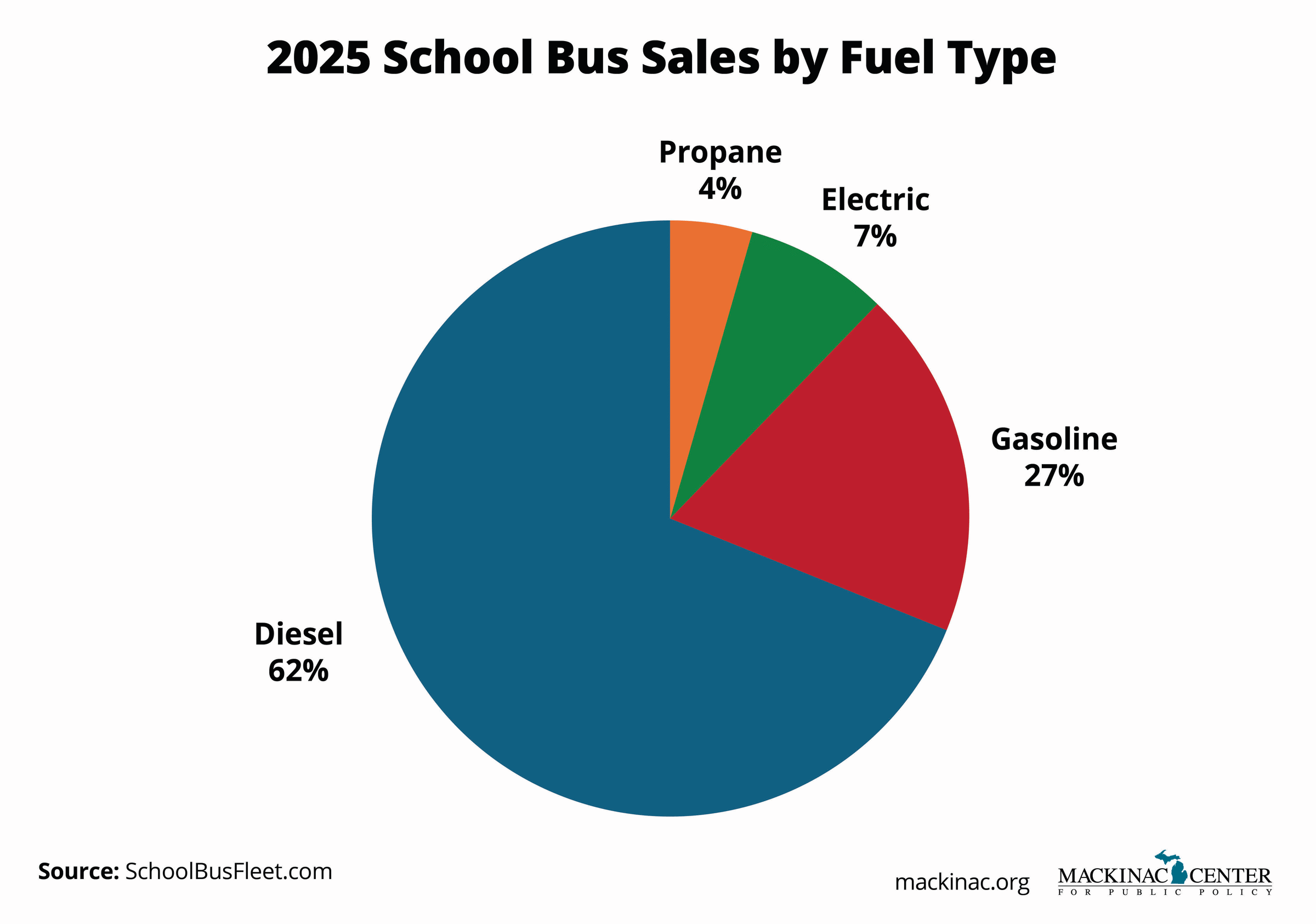
The National School Transportation Association reports that 25 million students daily are transported on 480,000 buses. Of the 41,000 school buses sold in 2025, most, or 62%, were diesel-powered, according to School Bus Fleet Magazine. For comparison, in 2019, propane and diesel had market shares of 6% and 66%, respectively, while gasoline fueled buses had a 27% share, according to School Transportation News. Electric bus sales grew from just 181 vehicles in 2019 to 2,873 in 2026, displacing both diesel and propane buses. Very large federal grants that offset the higher costs of electric buses were largely responsible.
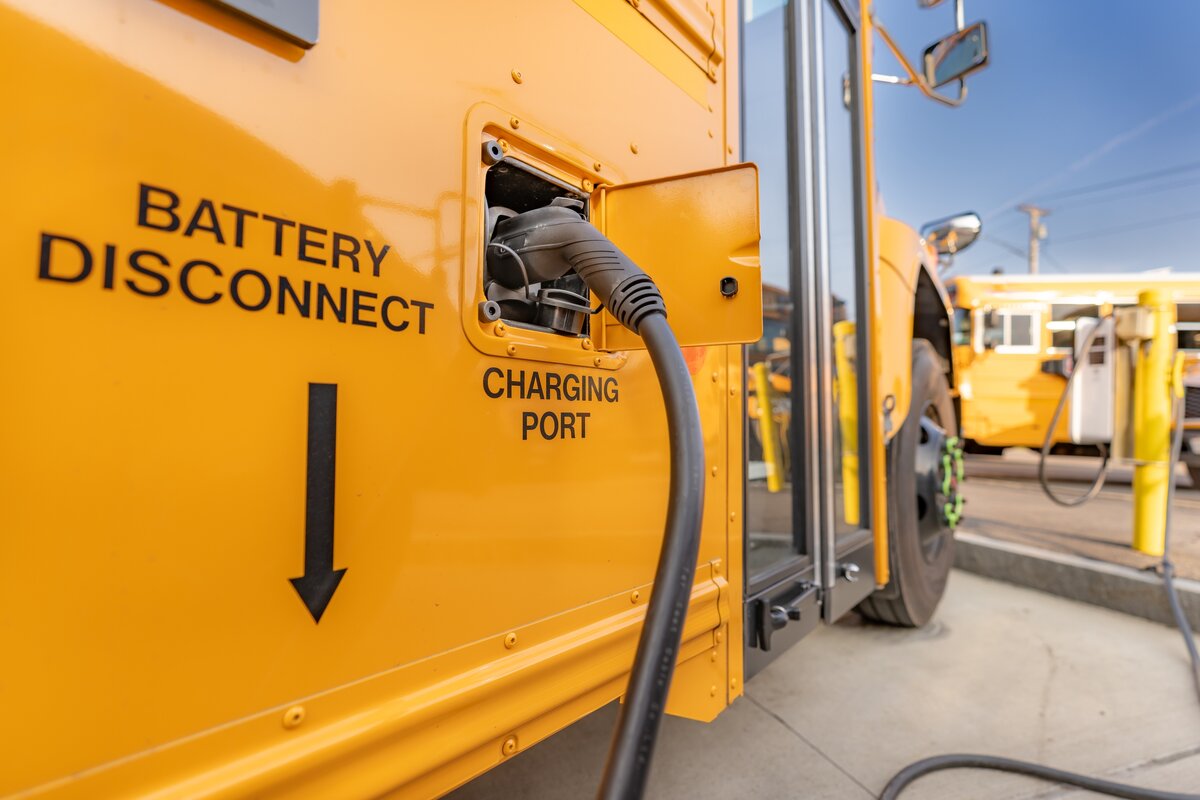
Electric vehicles are quiet and have the least emissions of any type. Diesel buses cost on average $150,000 and electric buses cost, on average, $390,000, according to Energy Fix. Electric buses have a more limited range, which gets even shorter in colder climates when batteries, already strained by the cold, need to heat bus interiors.
Spare parts are also limited, as electric bus manufacturers Proterra and Lion both filed for bankruptcy. Diesel, gasoline and propane fueled buses have comparable per-mile costs, according to the U. S. Department of Energy Alternative Fuels Data Center. Fuels that have a higher per-gallon cost also deliver more energy, offsetting their cost.
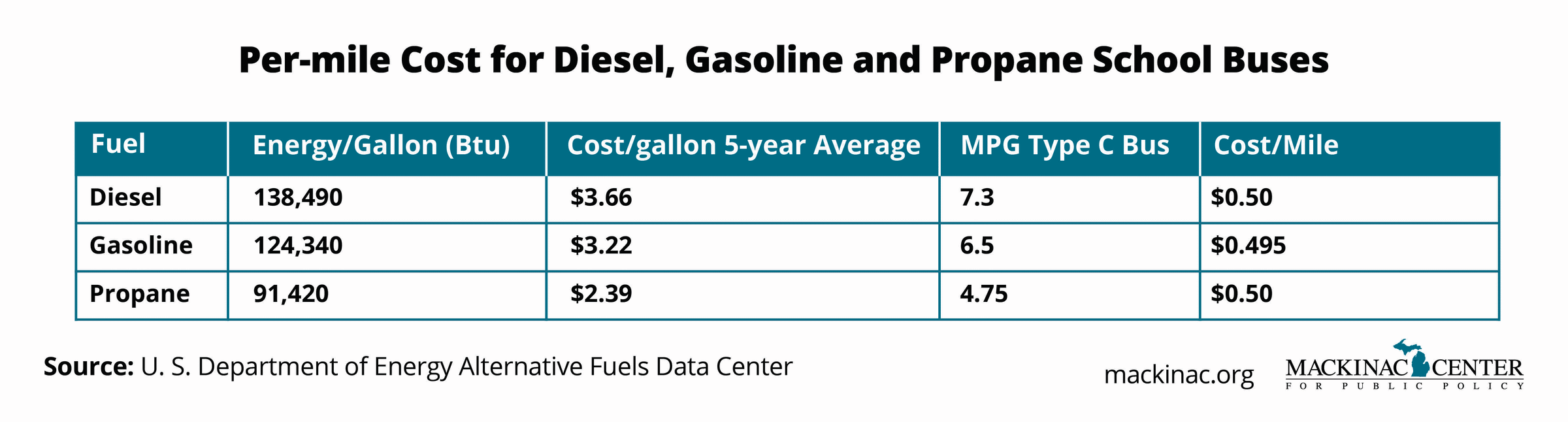
Note: The gasoline MPG is from the federal Alternative Fuel website. The MPG for gasoline and propane are calculated from comparative energy values with the cost/mile calculated by dividing fuel prices by MPG.
Vehicles from Kerlin Bus show the advantages of diesel buses. Their engines are durable, and they have a high torque that works well for starting from a dead stop. Third-generation diesel engines such as the ones from Kerin are designed to meet EPA emission standards. Maintenance services and spare parts are generally available. The primary disadvantages of diesel are their loud engines, need for frequent oil changes, and other high-cost maintenance requirements, according to Roush Clean Tech. They also have higher pollution emissions than propane and require a higher cost winter fuel mix.
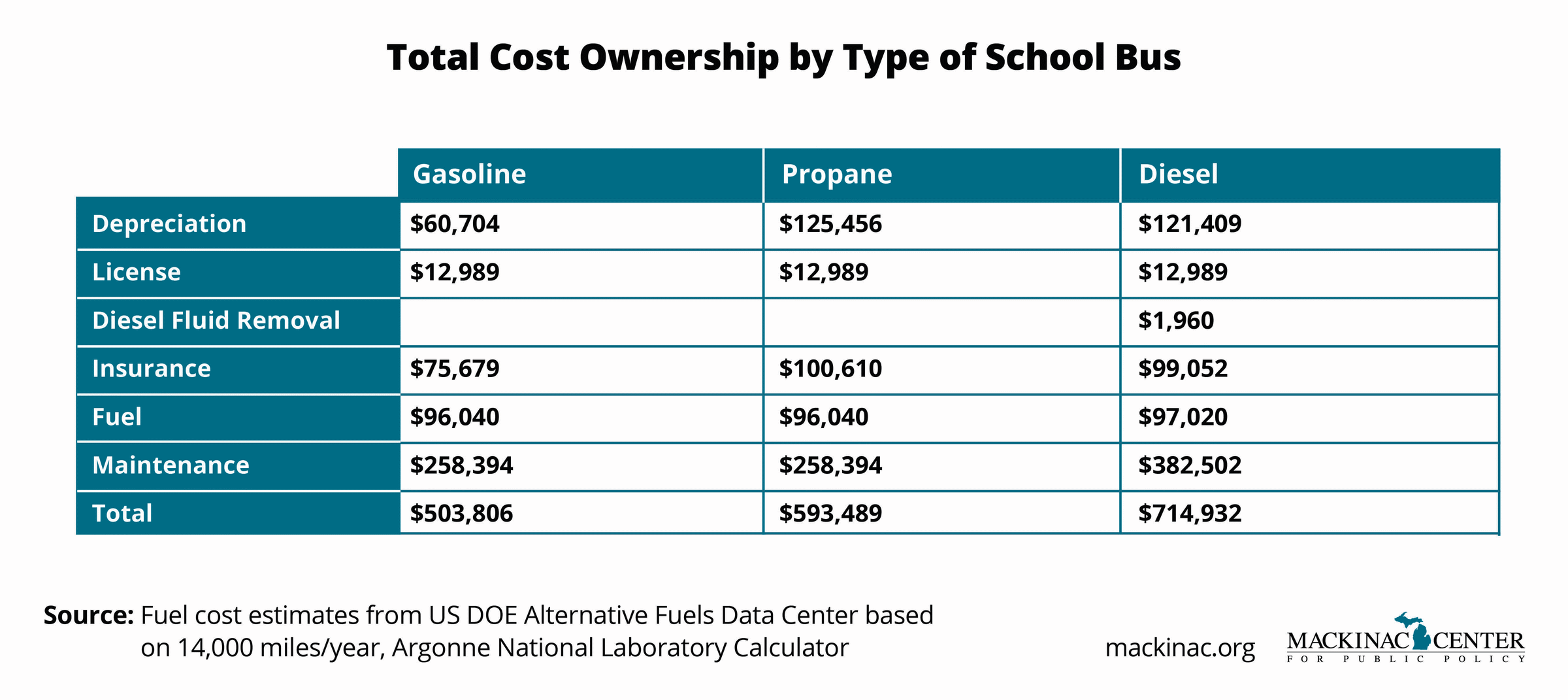
Fuel cost estimates from US DOE Alternative Fuels Data Center based on 14,000 mile/year
Gasoline powered buses have lower costs than diesel, but diesel may be more durable and better in mountainous areas, according to Carpenter Bus Sales. Propane buses have 95% lower nitrogen oxide emissions than diesel buses, according to West Virginia University, are quiet, and have significantly lower maintenance costs than diesel. Propane buses start more easily than diesel buses in colder weather and provide interior heat with the same low-cost fuel.
Propane buses can cost slightly more than diesel. Refueling infrastructure can add $20,000 to $225,000 depending on the number of buses that need to be fueled, according to the Michigan Propane Gas Association. The same source reports that the federal government may provide $20,000-per-bus grants until May 2027 to pay for the infrastructure and offset the slightly higher purchase price of propane buses.
Electric bus sales will fade without massive subsidies. It is likely that propane’s market share will gradually increase, especially in northern states seeking lower emissions.