Desmond Lachman writes about the latest challenges facing America’s central bank.
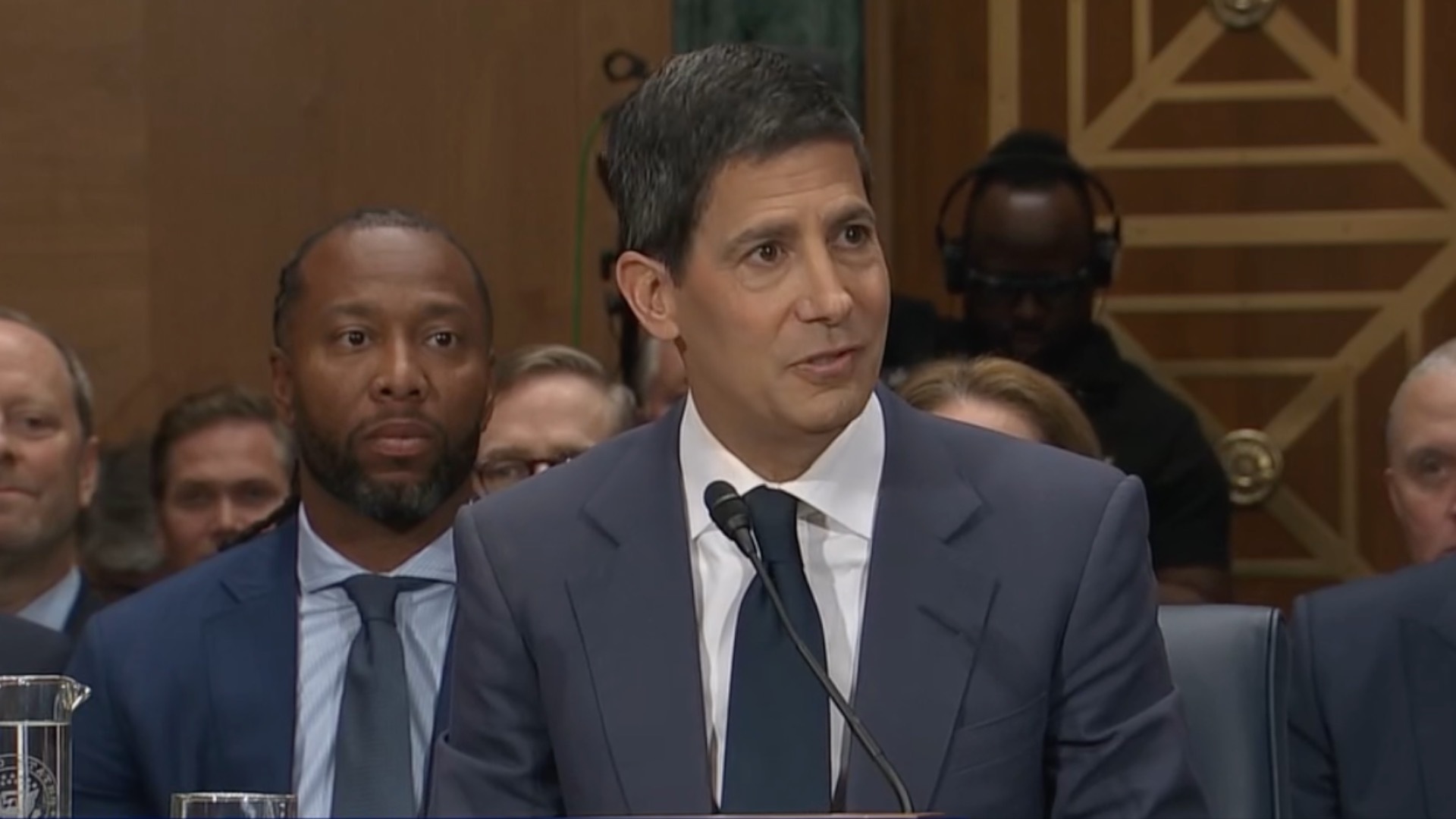
Mike Tyson famously said that everyone has a plan until they are punched in the face. We have to wonder whether the same might be said of Donald Trump and the new Federal Reserve Chair Kevin Warsh’s plans for the Fed under new leadership.
While Trump and Warsh might want to have the Fed lower interest rates and reduce the size of the Fed’s bloated balance sheet, they are receiving two economic punches in the face that will force them to shelve those plans for another day. The first punch is coming from the closure of the Strait of Hormuz. The second is coming from the current U.S. bond market rout.
Start with the inflation shock coming from the Strait of Hormuz’s closure. Not only does 20 percent of the world’s oil and natural gas supply pass through that strait so too does 30 percent of the world’s seaborne fertilizer trade, 30 percent of the world’s helium supply, and 10 percent of the world’s aluminum production. Little wonder then that we have seen a 60 percent surge in international oil prices to around $100 a barrel and a more than 50 percent increase in world fertilizer prices.
As a result of the strait’s closure, we have already seen a more than 50 percent surge in gasoline prices from less than $3 a gallon to around $4.50 a gallon.
Meanwhile, diesel prices have increased by more than 60 percent. The current fertilizer shortage is bound to add a food price shock to the current energy price shock later this year. Meanwhile, a prolonged shortfall in helium supply could disrupt semiconductor production, which is all-important in today’s manufacturing.
The net result has been that consumer price inflation has already risen to 3.8 percent, nearly double the Fed’s 2 percent inflation target. Meanwhile, wholesale prices have jumped by 6 percent.