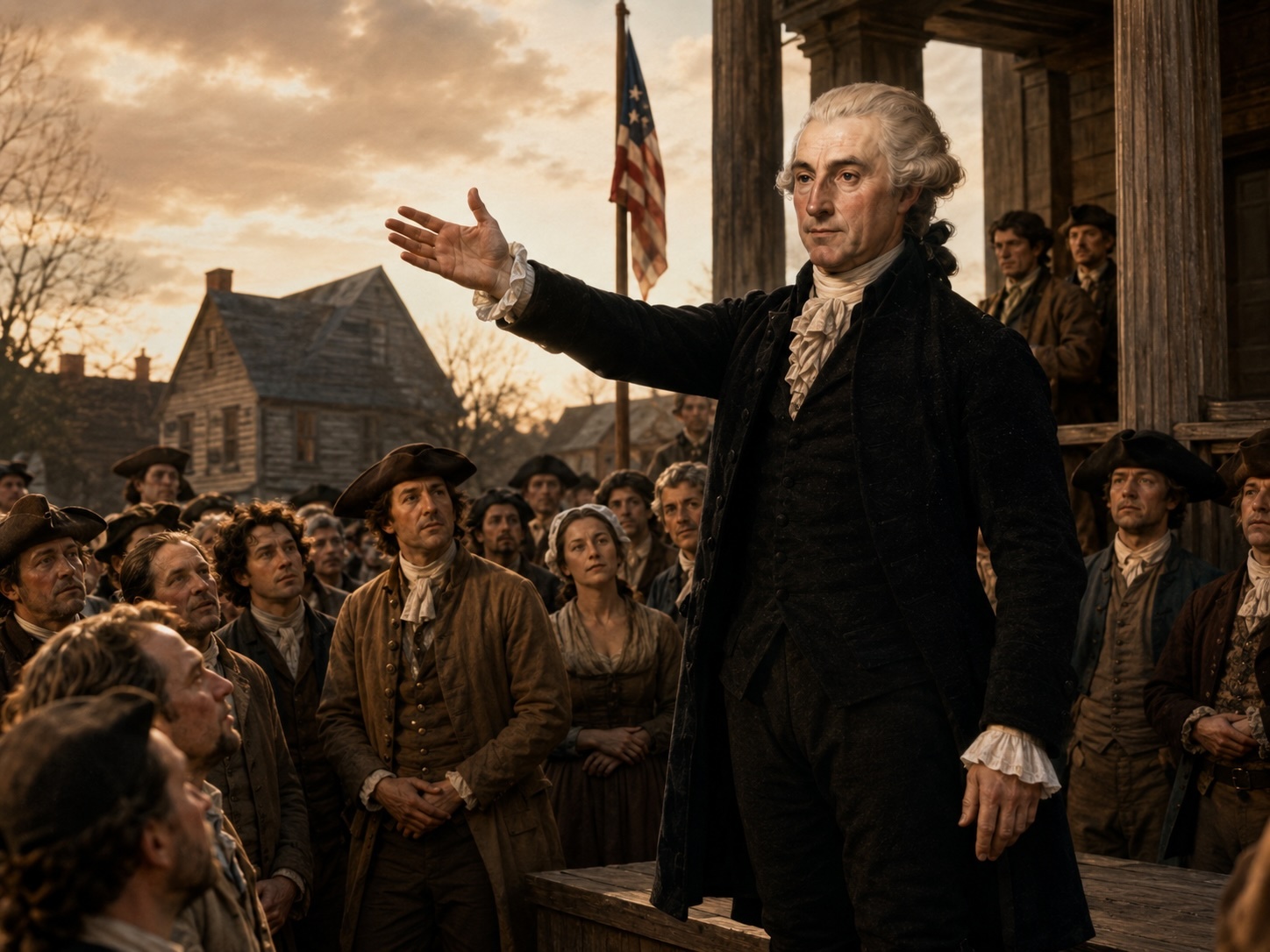
Did you know that Cornelius Harnett was one of two men that the English Crown refused to pardon in 1776 when it offered to pardon every other North Carolina militiaman or agitator in the conflict?
Did you know that Massachusetts revolutionary leader Josiah Quincy called Cornelius Harnett the “Sam Adams of North Carolina” after the firebrand Boston beermaker?
Janet Schaw, a Scotswoman loyal to the King, wrote an excellent journal about her short time in the Cape Fear area visiting relatives. She wrote glowingly about Mrs. Harnett’s cooking and gardening prowess, but she referred to Cornelius Harnett as “at best a brute by all accounts and is besides the president of the committee [Sons of Liberty] and the great instigator of the cruel and unjust treatment the friends of government are experiencing at present.”
Indeed, Cornelius Harnett was not only an instigator of patriot activity in the colony but also a national leader for the cause. He served in the Continental Congress from 1777 to 1779 and was in contact with patriot rebels in other colonies throughout the struggle.
Born in 1723 in Chowan County, North Carolina, Harnett moved with his parents to the Wilmington and Brunswick area where he eventually acquired a farm and became a leading merchant in the burgeoning port town.
As the head of the local chapter of the Sons of Liberty, Harnett led the opposition to the Stamp Act in 1765. He was a delegate to each of the provincial congresses of the colony, and he chaired the committee that drafted the Halifax Resolves, which formally declared support of independence by the colony, in the Fourth Provincial Congress in 1776. In the fall of 1776, Harnett was also a leader in the drafting of the North Carolina State Constitution to establish a government for the fledgling state.
Harnett’s vociferous and passionate leadership led British General Sir Henry Clinton to exclude him from an offer of general amnesty (pardon) to any and all of those who were active in opposing the Crown. Only one other person in the entire colony, Robert Howe, enjoyed that notoriety with him.
Why no pardon for Harnett or Howe? They were the primary ringleaders in burning down Fort Johnston while the Royal Gov. Josiah Martin watched helplessly from a ship in the Cape Fear River in July 1775. Cornelius Harnett was typically at the forefront of any revolutionary action.
Toward the end of the war, Cornelius Harnett was captured when the British raided Wilmington in 1781, and he was hauled off to prison “thrown across a horse like a sack of meal.” He was held in an open blockhouse, which contributed to a rapid decline in his health, already ravaged by severe gout. Soon after he was released from prison, Harnett died on April 20, 1781, and is buried in the St. James Episcopal Church graveyard.
It is hard today to imagine the courage and determination Cornelius Harnett had to be at the forefront of virtually every major revolutionary action in the 1760s and 1770s. One thing I noticed is that his father had been sheriff of New Hanover County. Maybe Cornelius Jr. got his steely resolution and confidence in his cause from him. We’ll never know. Regardless, we are grateful for patriots like Harnett who risked everything for the cause of independence 250 years ago.