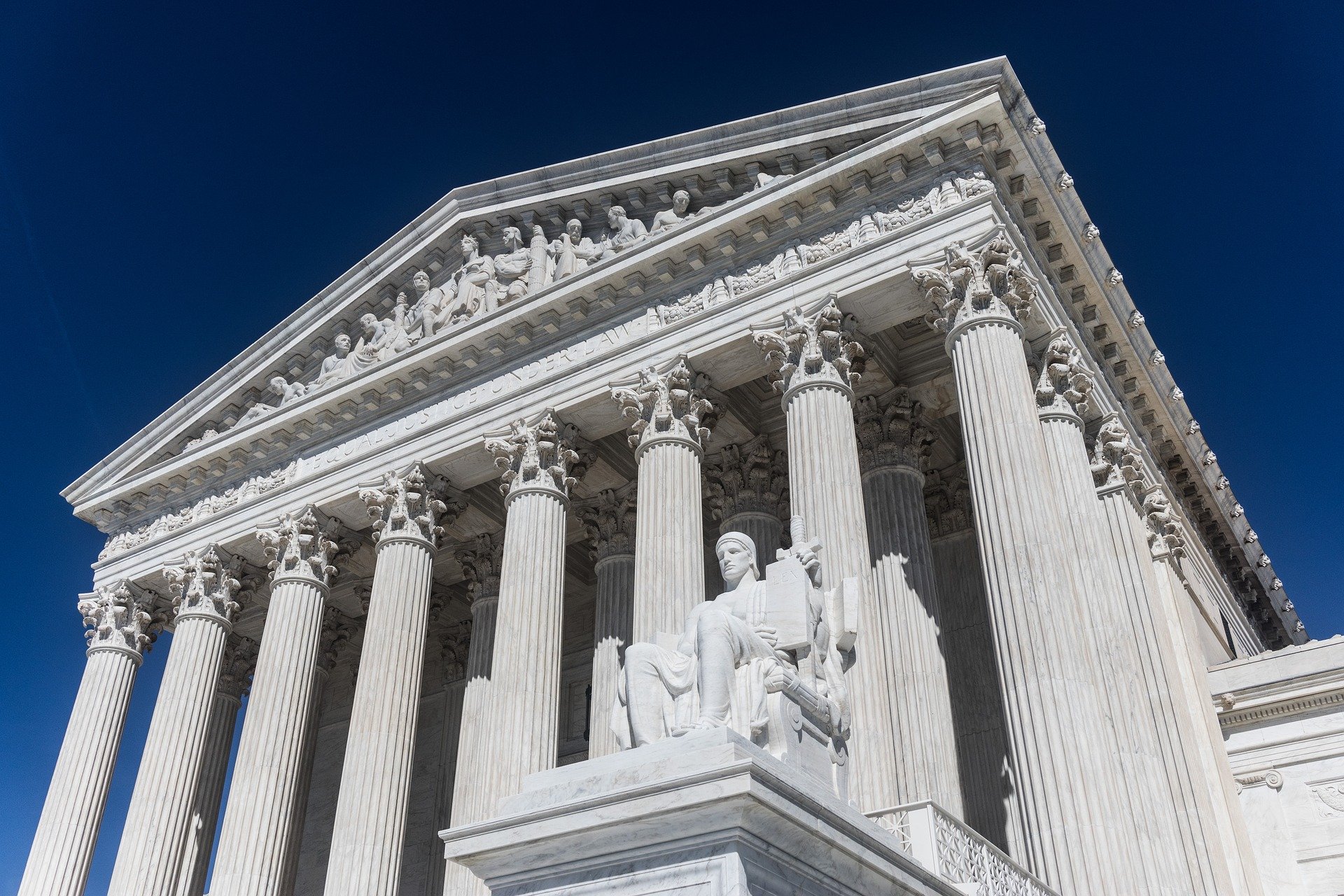
Editors at National Review Online analyze the impact of a major US Supreme Court ruling.
Donald Trump’s challenge to the status quo on birthright citizenship for the children of birth tourists and illegal aliens was always a long shot. Now that it has been rejected by the Supreme Court, the big question is what to do next.
We do not blame Trump for the attempt. Presidents are entitled to make their case in the courts for a change in the reading of the Constitution. But the view that birthright citizenship is near-universal and subject only to very limited exceptions has been deeply entrenched since United States v. Wong Kim Ark (1898). Chief Justice John Roberts and the four justices who joined him in the majority declined to stray from the logic of Wong Kim Ark even though that case dealt with a different situation: the child of Chinese nationals who were long-time legal residents rather than transients or illegal immigrants. Justice Brett Kavanaugh, who disagreed with their constitutional analysis but joined the result, concluded that Congress had ratified Wong Kim Ark and that it was not the Court’s place to revisit it unless and until Congress did so first.
The Citizenship Clause of the 14th Amendment provides: “All persons born or naturalized in the United States, and subject to the jurisdiction thereof, are citizens of the United States and of the State wherein they reside.” The Court took the traditional view of this broad language that most people in the country are “subject to the jurisdiction” of American law unless they are members of a sovereign Native American tribe or represent a foreign government (such as foreign diplomats). …
… The Wong Kim Ark rule has the advantage of ease and clarity, and that plainly gave the Court pause in unsettling it. In the specific case of parents traveling through the country, how long do they have to be here to be considered legally domiciled in the United States, and what other factors would weigh in such a decision? The majority was not persuaded that an alternative test could easily be located in the Constitution.