Luther Ray Abel writes for National Review Online about an interesting development in defense technology.
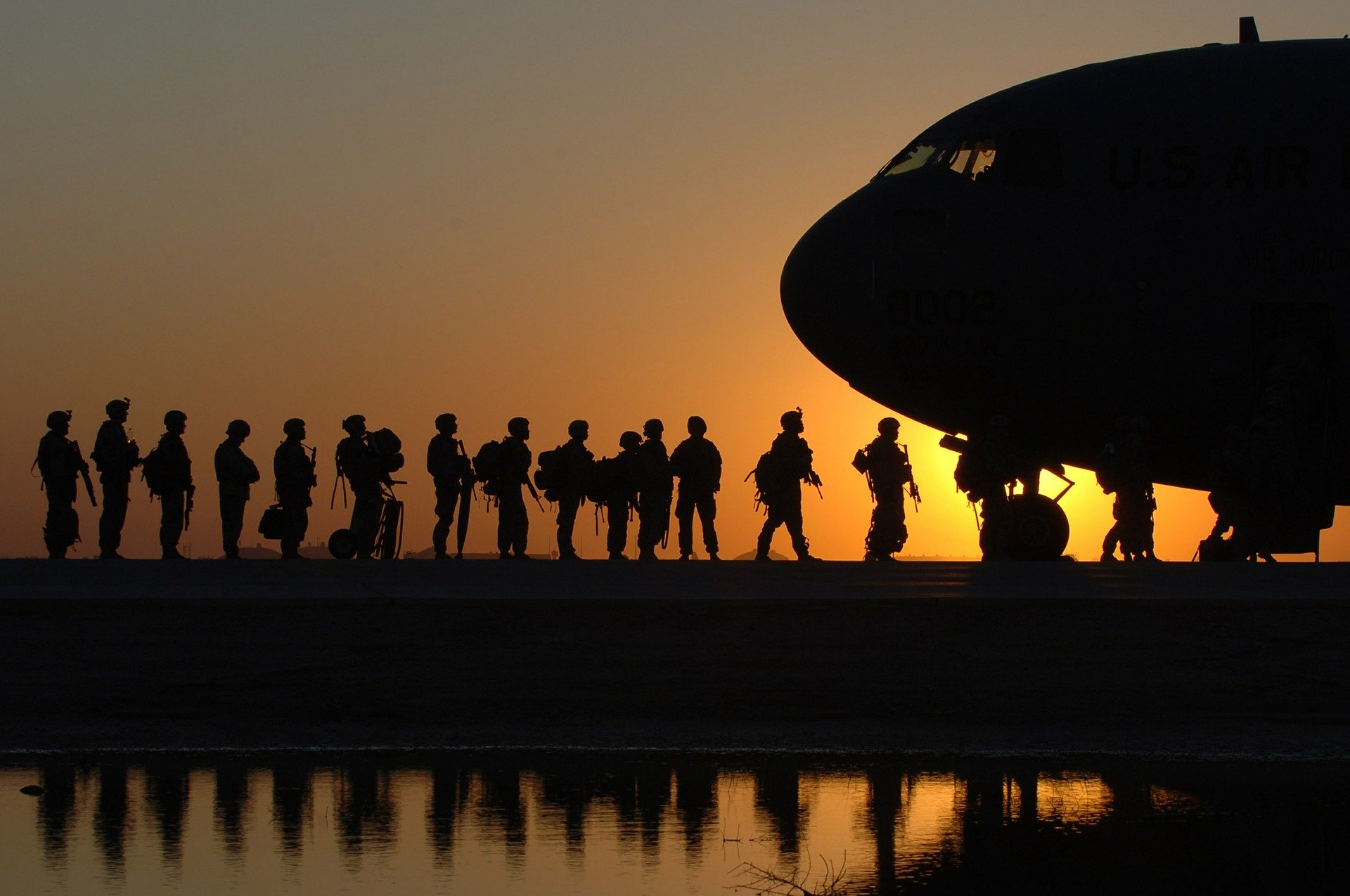
Anduril Industries, arguably the Apple of this new generation of venture-capital-funded defense tech firms, just released its latest weapon system: Thunder. An autonomous attack rotorcraft — think an unmanned Falcon from Halo or the chick of a V-22 Osprey — Anduril’s Thunder is being sold as the multi-tool wingman for Apache attack helos and the forthcoming Cheyenne II from Bell (co-creator of the V-22). The added payload, load-out, and protective envelope that such slavecraft (in the engineering sense) could offer is enticing.
The concept of concentric defense is nothing new. Troy, Constantinople, even the humble hill fort, are all static examples. Layers of protection provide the soft innards multiple opportunities to retard an aggressor’s advance. The U.S. Navy puts this strategy to sea, with carrier strike groups composed of picket vessels — destroyers, cruisers, frigates, and subs — and aircraft providing a third dimension of surveillance and interdiction to ensure the continued operation of the carrier, the heart of the strike group. Should all weapons fail, we were informed that our ship, the USS Rodney M. Davis, would sail between the incoming threat (be it missiles, drones, or small-boat explosives) and sacrifice itself (ourselves) so that the carrier would survive. The same is expected of any vessel that orbits the floating nuclear airfield.
What Anduril aims to do is swap out the 200 souls aboard a frigate and replace them with swarms of sacrificial drones/chaff/missiles launched from autonomous motherships similar to the Thunder rotorcraft. Doing some napkin math, each sailor’s family would be due a minimum of $100,000 in the event of the ship’s loss. So $20 million and the public’s outrage at the very least but, more likely, something north of $250 million after all survivor benefits are factored. And that’s just for the loss of our most basic ship class with the smallest crew.