Steven Richards writes for Just the News about the impact of Spain’s border crisis.
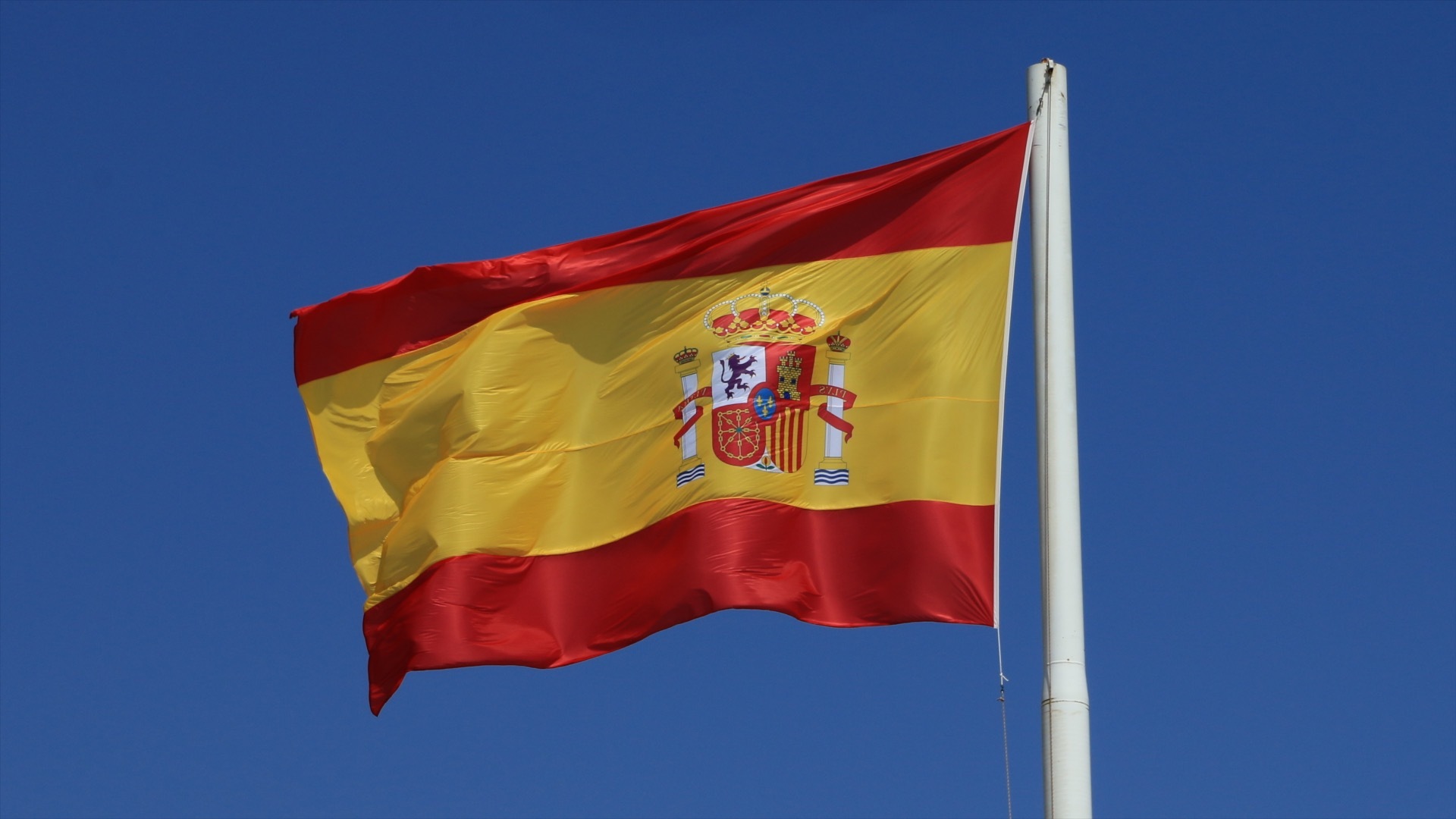
The Spanish immigration crisis has exposed cracks in the European Union and an opportunity for right-wing leaders heading into elections next year in Spain, Italy and France.
Last week, tens of thousands of migrants poured over the Spanish border at Ceuta, a North African exclave ruled by Spain since 1580. The small coastal city is situated on a narrow peninsula on the southern edge of the Strait of Gibraltar between Spain and Morocco — the only place where a European border touches Africa.
Instead of fully backing Spain as they may have done in the past, more than 20 European leaders instead criticized the government of Prime Minister Pedro Sanchez for passing policies that attract illegal immigrants. PBS reported that as many as 60,000 entered the nation illegally, and that at least 57 migrants died on the journey.
Other leaders went further. The government of Italian Prime Minister Giorgia Meloni harshly criticized Sanchez’s leftist government and suspended Italy’s participation in the Schengen Area—the passport-free zone that is a pillar of the European Union.
Though at an emergency EU meeting on Tuesday, the various governments played down criticism of Spain’s leaders and applauded its quick response to send the vast majority of those who crossed the border back to Morocco, the incident exposed cracks in the continental bloc.
Specifically, the right-wing candidates with elections next year—in Spain, Italy and France—have used the incident as a way to bolster their own credentials ahead of the contests and seek to ride the wave of Europe’s move towards stricter immigration enforcement.
Earlier this year, while Europe was working on tightening border controls and rethinking its asylum policies, Spain was an outlier. Under Prime Minister Sanchez, Spain announced a reform that will grant up to half a million people legal status, amounting to around 1% of the population. The move sparked domestic backlash and elicited concerns from leaders around Europe.