Matt Weidinger critiques one of President Donald Trump’s latest questionable proposals.
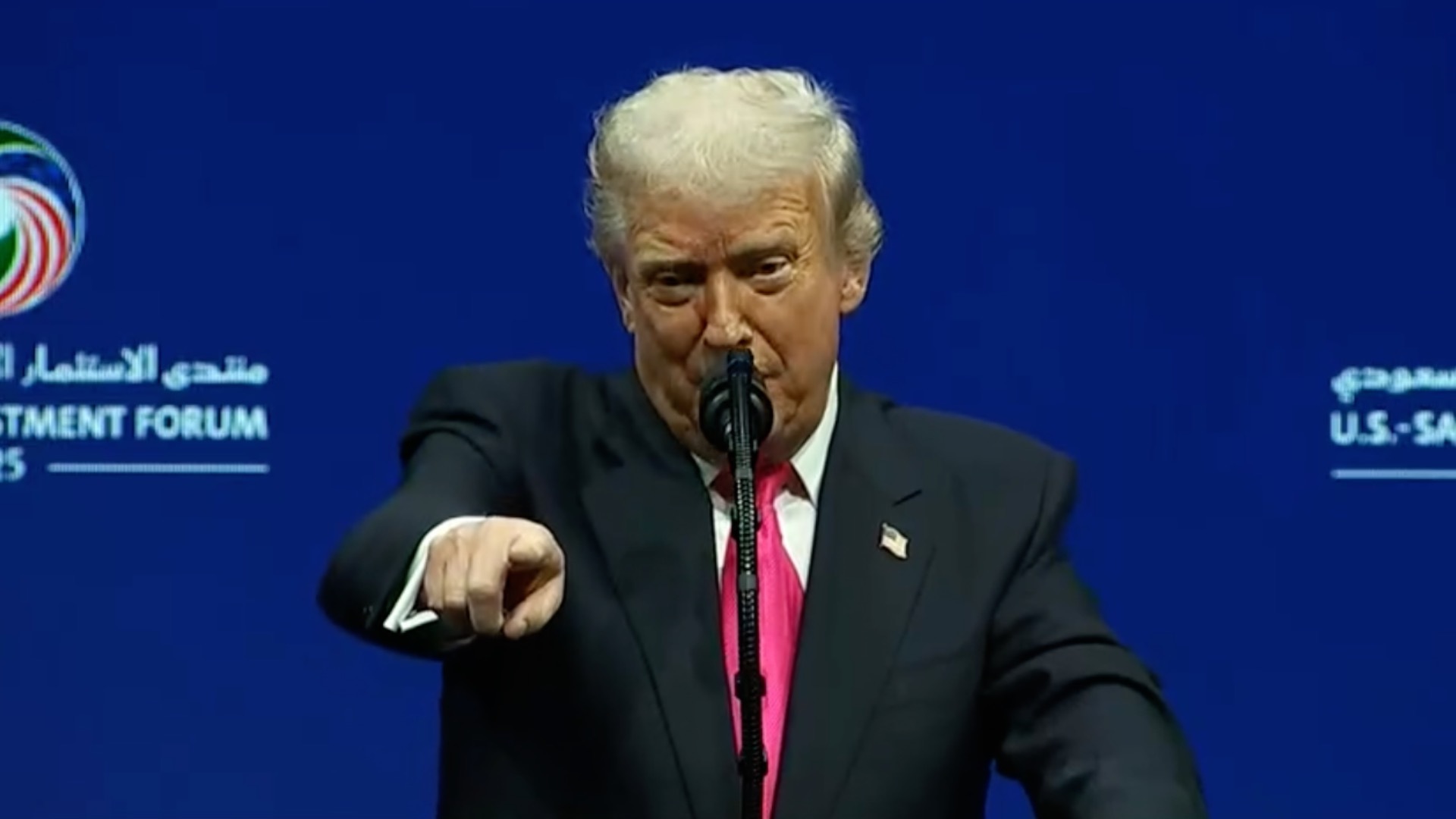
At his party’s midterm convention in Texas, President Donald Trump said that, if Republicans retain control of Congress in November, he “will issue a dividend to every adult citizen in the United States of America for $5,000.”
That pledge reflects an epic lack of subtlety, even for Trump. It also places him in line with a long history of politicians from both parties who have implicitly and sometimes explicitly tried to buy votes with promises of government largesse. Given Trump’s other recent failed benefit check promises, it also suggests the prudent shouldn’t count on spending this latest proposed windfall anytime soon. …
… In his current term, Trump has been far less effective at turning similar promises into action. He previously expressed support for would-be $5,000 “DOGE dividends,” which would have nominally reflected a share of savings achieved by the Department of Government Efficiency. He also proposed tariff-rebate checks worth “at least” $2,000 for low- and middle-income individuals—ironically backed by the same revenues he suggests will cover his latest $5,000 dividend plan.
Yet those unfulfilled promises pale in comparison with the mother of all government check-writing plans: then-Sen. Kamala Harris’s (D-CA) 2020 COVID-19 pandemic universal basic income proposal, which was released three months before Biden chose her as his running mate. Harris’s legislation never advanced, but if it had, most Americans would have received $2,000 checks each month between March 2020 and August 2023. Up to two parents and three children per household would have been eligible for a maximum of $10,000 per month or an astonishing $120,000 per year, nearly double the U.S. median household income of $68,000 in 2020. Across 42 months, the proposed legislation would have conservatively cost an eye-watering $21 trillion, which assumes a scheme so massive, once started, could ever have been stopped.