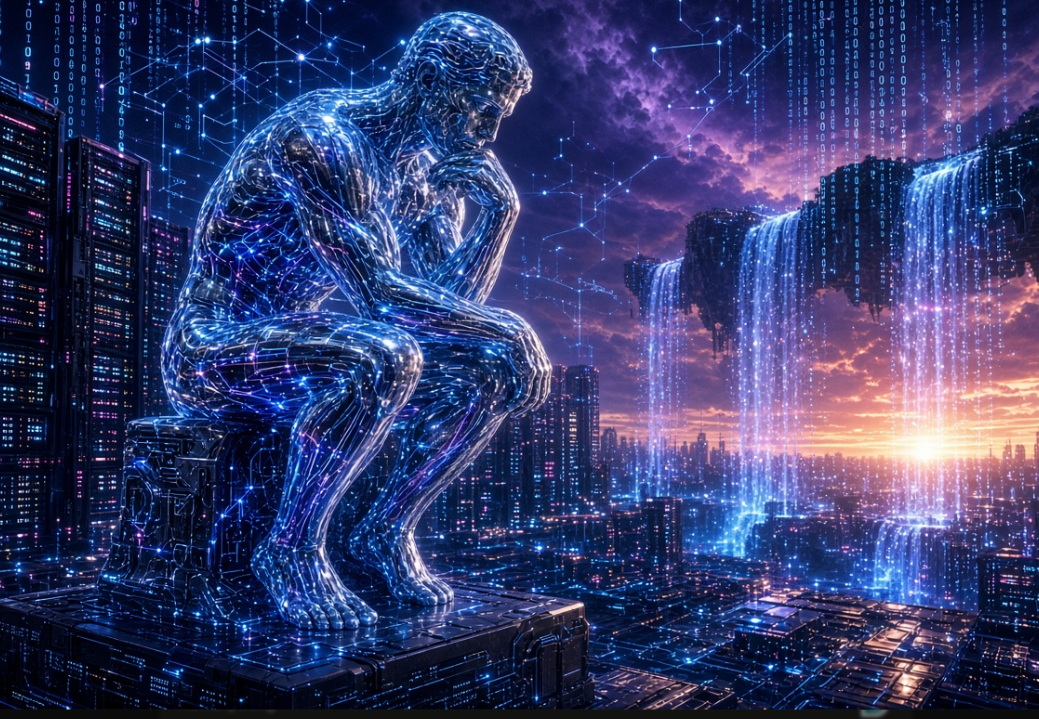
Images. Made differently now Created. Edited. Adapted. For whatever purpose. AI changed all of it. Honestly? Changed it fast.
Think back. A polished image meant work. Real work. Photography first. Then design software. Technical know-how. Hours gone. Sometimes days.
Now? Different story. Type a description. Add some visual instructions. Done. Image appears. Or an old one gets reworked. Seconds, not hours.
Random trend? Nope. Bigger than that. Much bigger. It’s a shift. Toward accessible creative tech. Image-making used to be manual. Fully manual. Not anymore. People describe the result. Models handle the heavy lifting. Well, parts of it. Plain and simple.
How AI Image Generation Works
Starts with training. Always does.
Machine-learning models. Huge piles of data. Visual stuff. Text stuff. Fed in together. And the model learns. Learns what, exactly? Relationships. Words to concepts. Objects to styles. Colors. Compositions. Every visual trait, basically.
Then comes a prompt. Someone types it. Model reads. Interprets. Generates. All based on those learned links. That’s the core of it.
Advanced systems? Smarter. Way smarter. Objects alone? Not enough. They get relationships too. How things sit together. Inside one scene. So one prompt carries a lot. A specific setting. Lighting setup. Perspective. Subject. Artistic direction. All packed in. All understood.
Already have an image? Fine. Works too.
No blank start needed. Upload it. Model analyzes it. Applies the changes. Which changes? New backgrounds. Tweaked elements. Swapped styles. Fresh variations. Original traits? Partly kept. Pretty neat, honestly.
The Importance of Natural-Language Prompts
Prompts. Huge deal now.
Center of the whole thing, really. AI-assisted visuals live on them. Basic idea? Short prompt works. Fine. Want control? Go detailed. Night and day.
What goes in? Main subject. Environment. Composition. Lighting. Mood. Colors. Visual style. The usual list.
Say it’s a product concept. What gets described? Product position. Background. Camera angle. Lighting conditions. Overall vibe. Atmosphere, basically. Each detail? More control.
Longer means better? Not really. Nope.
Clear wins. Specific wins. Stuffing random words? Pointless. Doesn’t help.
And wording? Needs testing. Usually. Why, though? AI reads vague stuff weirdly. Not how people expect. So users tweak. Test. Adjust. Try again. Repeat. That’s the game.
Understanding Nano Banana 2.5 AI Image Generation
Creating. Editing. Two separate jobs, once. Now? Blending together.
Newer systems handle both. Side by side. No hard split anymore. A Nano Banana 2.5 AI image generator fits right here. Part of that bigger picture. AI-assisted visual workflows. Text instructions plus image references. Working together.
Key piece? Iterative editing.
Generate once, done? No. Start over every change? No again. Instead, refine. Bit by bit. Round by round.
Background off? Adjust it. Object wrong? Alter it. Composition weird? Change it. New direction? Ask for it. Everything else? Stays put. Consistent.
Best use? Concepts needing multiple revisions. Lots of back-and-forth. Right there.
Applications Across Creative Fields
Who uses this? Pretty much everyone.
Designers, first. Early concepts. Quick exploration. Before sinking hours into detailed production.
Marketing teams? Campaign ideas. Visual ones. Educators? Illustrations. For teaching materials.
Writers too. Content creators, same. Fictional worlds. Characters. Concepts. Suddenly visible.
Architecture? Yep. Interior design? Also yep. Early discussions get visuals. Possible directions, shown fast. But careful. Professional plans? Still need specialist tools. Technical documentation? Same deal. No shortcut. None.
And e-commerce. Solid fit, honestly. Product teams play around. Swap backgrounds. Try settings. Test compositions. Photograph every variation? No need. Huge time-saver.
Benefits of AI-Assisted Visual Workflows
Biggest plus? Speed.
First concept, fast. Really fast. Manual methods? Way slower. Same concept. Fraction of the time.
Next? Accessibility. Big one.
No design skills? Doesn’t matter. Natural language works. Just talk. Describe. Done. Early exploration gets easier. For individuals. Small teams. Educators. Businesses. Everyone, basically.
Experimentation too. AI pushes it. One idea. Many versions. Compare them. Pick the best. Develop that one. Easy.
Catch? Of course there’s one.
Fast doesn’t mean automatic. Not fully. Not even close. Mistakes happen. Wrong details. Inconsistent objects. Strange anatomy. Unintended stuff. So humans review. Still. Especially when accuracy counts.
Challenges and Responsible Use
Now, the messy part.
Questions pile up. Copyright. Ownership. Originality. Responsible use. Tough ones. No easy answers.
Laws differ. Country to country. Region to region. Still evolving, too. Still moving. So users check the terms. Of whatever service they’re using. Then ask themselves. Fits the purpose? Appropriate here?
Accuracy? Another headache. Real one.
AI visuals look real. Scary real. Even when totally made up. Even when flat-out wrong. So verify. Always. Especially where facts matter. Education. Science. News. Anything factual, really.
And a strict rule. produced is not true. Don’t act like you don’t know. Not actual photography. No documentary proof. Never.
The Future of AI-Powered Image Creation
So what’s next? More connected. AI image tools blending in. Into broader creative workflows. In the future, systems may be able to connect everything. Image synthesis. Editing . Layout.
Animation. Production of video. Other things to do. connected space. Then biggest move? Probably not a replacement. Traditional creative work persists. Mostly. What’s different? More choices. More ways to explore ideas. and improve them.
People? Still at the core. A lot. Judgement. Direction artistique. Fact checking. Morals. They all still count. All still people jobs.
As things grow? Know the strengths. Know the limits. Both. That’s how creators use AI imagery well.
Real goal? Not just speed. Faster images, sure. But mostly better workflows. Tech backing experimentation. Communication too. And thoughtful creative calls. That’s it.