Share this Story on Facebook, X, Text, LinkedIn, Gmail, Yahoo Mail, or Outlook
The State Corporation Commission (SCC) was able to approve Dominion Energy Virginia’s application for a needed natural gas generation facility because the Virginia Clean Economy Act (VCEA) includes a safety valve. If energy reliability is threatened, the prohibitions on natural gas at the heart of that law can be waived.
One of the largest donors to the new Democratic political trifecta soon to take power in Richmond quickly threatened to seek that provision’s removal from the law. In response to the SCC’s November 25 final order in favor of the Chesterfield County plant, the activist and lobbying group Clean Virginia wrote: “If this is the decision the Commission came to under existing rules, then it is upon Virginia’s elected leaders to better align these rules with the interests of all Virginians.”
Clean Virginia gave more than $5 million to Democratic candidates in the November 4 election, half of that total to the newly elected governor, lieutenant governor and attorney general. Lieutenant Governor-elect Gazala Hashmi ($300,000 from Clean Virginia) quickly put out her own statement complaining the Commission was “ignoring the Commonwealth’s policy on environmental justice, endangering the public health and safety…” Governor-elect Abigail Spanberger ($1.2 million from Clean Virginia) did not issue a statement.
An even larger donor responsible for helping Democrats take complete political control will be on the other side of any effort to skuttle that part of the VCEA. Dominion gave $8.7 million to the party’s candidates, with the money targeted to members of the legislature. Speaker of the House Don Scott of Portsmouth and his political committee received $2.35 million from Dominion.
A battle of raw political power may now follow a regulatory process that was free from the influence of money. The best news from the decision on this case, and another SCC ruling on Dominion’s future rates, is that the law, the evidence and concern for the average consumers drove the final decisions.
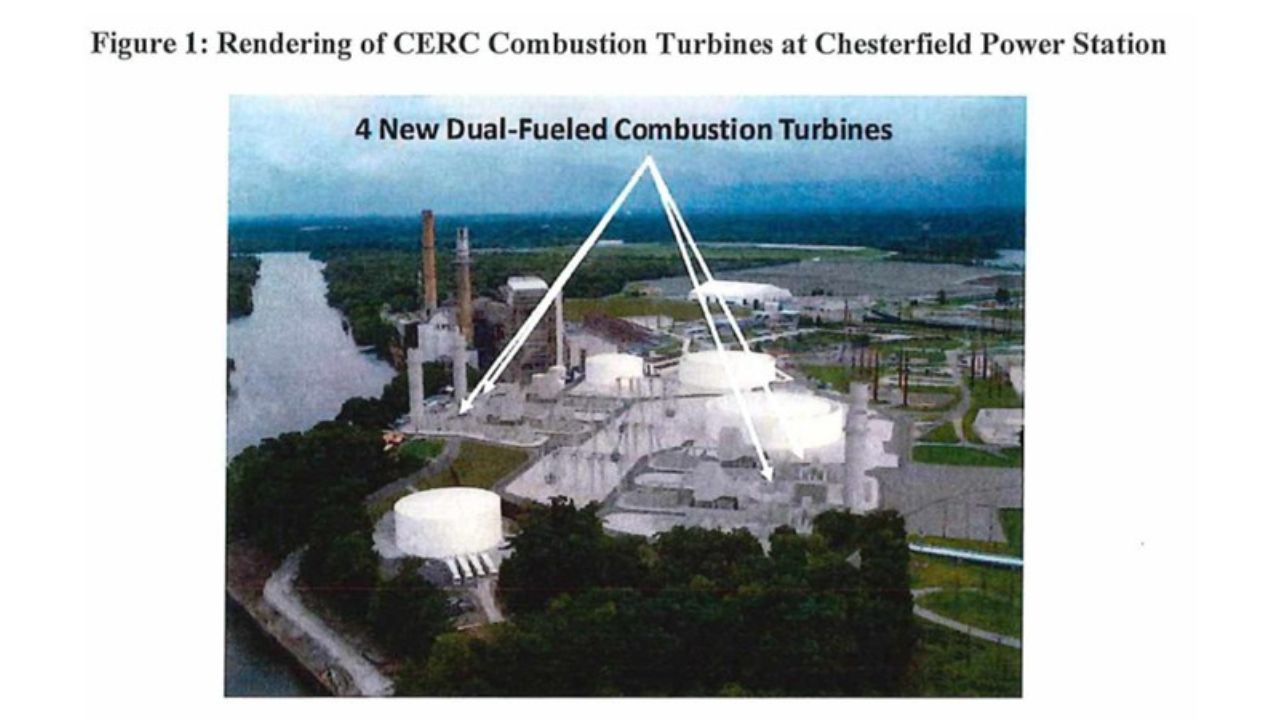
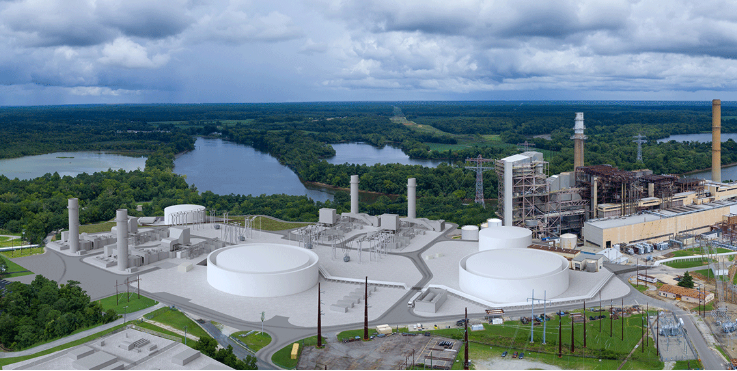
The Chesterfield plant is designed to generate 944 megawatts of electricity, not on a continuous basis but as a “peaker” plant that will only operates at times of peak demand. A baseload plant operating on a continuous basis would have been cheaper per megawatt. The point of this peaker facility is to provide backup for the intermittent wind and solar resources proliferating in Dominion’s territory and the rest of the PJM Interconnection regional transmission organization. Dominion intends to have it in operation by 2029.
Ratepayers will start to cover the cost in January with the addition of yet another rate adjustment clause (RAC) to their bills. For a residential customer using 1,000 kilowatt hours of energy, the charge will start at 60 cents per month but will grow to more than $2 per 1,000 kWh per month by 2030.
In its recent integrated resource plans, Dominion included substantially more new gas-fired facilities to be built down the road, including some baseload plants using the more efficient combined cycle combustion methods. Nothing in this decision binds the SCC to approve any of those additional plans, which will rise or fall on future applications – and which may be judged by rules rewritten to satisfy Clean Virginia.
The Commission exercised discretion that the General Assembly had granted it and made the decision to allow additional natural gas use after a long evidence process open to all comers. The Commission made an informed choice, far better informed than decisions by the Assembly. Opponents of hydrocarbon fuels had buried the SCC under public comments and expert testimony. Dominion provided its own expert testimony, as did the Office of the Attorney General, which also supported approval.
This statement was the heart of the SCC’s decision:
“We cannot, however, ignore the substantial evidence in this case of the Company’s near-term need for new generation resources; that renewable resource alternatives are not suitable to meet that need; and the imminent reliability threat absent the (Chesterfield) Project. Accordingly, we conclude that a resource of this type is needed at this time to address the reliability threat facing Dominion and its customers.”
Share this Story on Facebook, X, Text, LinkedIn, Gmail, Yahoo Mail, or Outlook