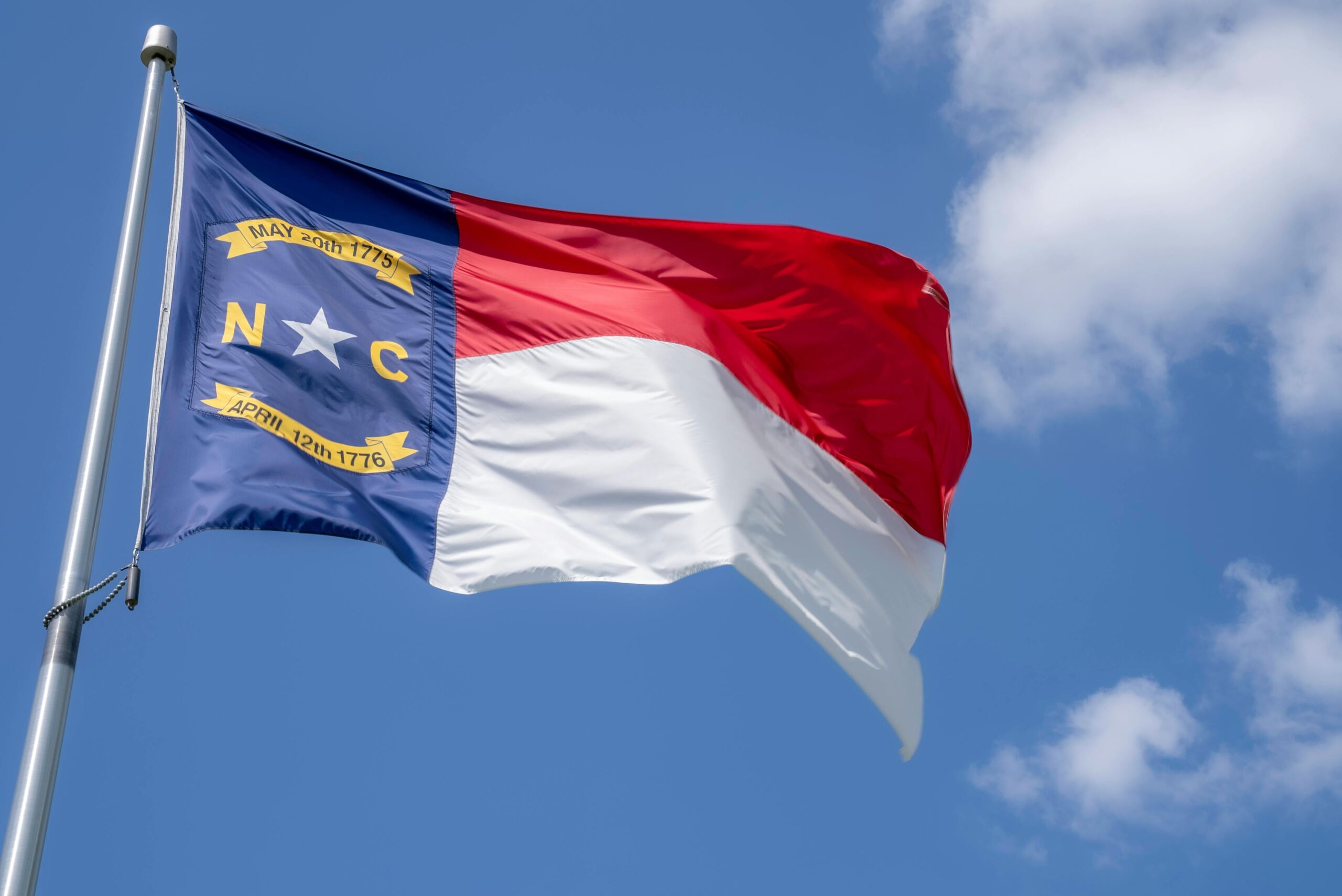
This Sunday, April 12, North Carolinians celebrate the 250th anniversary of the Halifax Resolves being adopted by the Fourth Provincial Congress in Halifax, North Carolina. The Halifax Resolves represent the first official colonial action calling for independence from Great Britain and King George III.
The festivities commemorating that memorable event for our state occur from Friday, April 10 through Sunday, April 12 and are coordinated by the State Historic Site staff. I’m planning on attending and look forward to a grand time. I’m especially looking forward to seeing the original document, which Gov. Josh Stein recently announced will be on display at the newly refurbished historic site visitor center. Another thing I’m looking forward to is seeing the outline on the ground where the old courthouse stood. That’s where the 83 delegates met and adopted the Resolves. The original site has recently been discovered using ground-penetrating radar, as described in “Our State” magazine.
Come out and join the fun if you can. Here’s the schedule for the weekend.
Reflections on the Halifax Resolves
We’ve written several times about the Resolves and why they were important. Here are a few more observations:
The request
A Historic Halifax post on Facebook highlighted a letter written on Feb. 12, 1776, by John Penn, a member of the Second Continental Congress and future signer of the Declaration of Independence. Penn wrote from Philadelphia to Thomas Person, a delegate to the Fourth Provincial Congress. Penn wrote from the vantage point of hearing of all the Revolutionary activity in the northeastern colonies after the battles of Lexington and Concord. He led his letter by talking about the loss of Gen. Montgomery at the December 1775 Patriot attack on Quebec. Then he wrote:
“I make no doubt but the Southern Provinces will soon be the Scene of action, as our enemies may hope to obtain greater success there than at the Northward. Will it not be necessary for your Committee to do something immediately for putting the Province in a Condition to oppose the designs of our enemies, and to desire the Convention to meet sooner than May in order to consult what steps may be necessary for you to take?
The People to the Northward have Spirit and Resolution, which I doubt not will carry them victorious through this contest. I hope we to the Southward shall act like men determined to be free….”
Penn ended his letter with the following: “For God’s sake my Good Sir, encourage our People, animate them to dare even to die for their country. Our struggle I hope will not continue long — may unanimity and success crown your endeavours” (emphasis added).
The view
Not far from the old Halifax County courthouse where the 83 delegates met was the jail where Loyalist prisoners who had been captured at the Battle of Moores Creek Bridge less than three months before were being held. Seeing those prisoners and remembering the events of that battle, even the involvement in the battle by some of the delegates, surely reminded them of what the growing conflict meant for the province of North Carolina.
No more reconciliation
Another Historic Halifax Facebook post highlighted an April 5, 1776, letter from Fourth Provincial Congress President Samuel Johnston to his brother-in-law James Iredell, a future Justice of the Supreme Court of the United States. In the letter, Johnston said he had received a March 20 letter from Continental Congress delegate Joseph Hewes and reflected that “[Hewes] seems to despair of a Reconciliation.” Then Johnston wrote to Iredell the key words that foreshadowed what would happen seven days later at the Halifax courthouse: “All our people here are ripe for Independance.”
Johnston’s words give me a chill every time I read them. He had been a more conservative supporter of the cause — always hoping reconciliation might come to ward off bloodshed. With Johnston, a respected and thoughtful leader who had been chosen to be president of two provincial congresses, finally coming around to the side of independence, the torch for freedom was being lit.
Ten colonies?
People tend to assume that all 13 colonies were of one mind about independence. But what if the southern three had not moved forward and agreed with the others? What if the Resolves had been voted down at Halifax?
Every colony had to make its own choice. North Carolina could easily have stayed loyal to the Crown, while the colonies from Virginia to Massachusetts fought and won their independence. Or maybe there would have been no victory if North Carolina had not joined the fight, since the war that ensued was finally clinched with victories in South Carolina and North Carolina in 1780 and 1781.
The letters from Penn and Johnston reflect real concern that the northern colonies might move forward for independence and leave the southern ones behind. The Halifax Resolves answered any doubts about North Carolina’s support for independence. That’s another reason why the document was so important.