Editors at National Review Online assess President Donald Trump’s recent shift on one element of his immigration policy.
Just this September, the Trump administration announced what promised to be a sweeping reform to the H-1B guest worker visa program. The idea was that employers would be charged $100,000 for each new H-1B visa recipient, creating an incentive for the participants in the program to only use it for what it was intended for — attracting world-class talent to the United States. Our major criticism of this reform was that it was too easy for employers to evade the fee and that most H-1B petitions involve aliens already here, who would be exempt from it.
Whatever its ultimate utility, the reform and the presidential proclamation accompanying it acknowledged that H-1B visas are used as a loophole to bring in semi-skilled labor at below-market wages. Firms abuse the program in multiple ways, filing duplicate applications, misclassifying jobs to hide the skill level, and hiding job listings from American applicants by blocking American IP addresses from accessing them.
The reform smoked out the Chamber of Commerce. In a court filing arguing that the $100,000 payment trespassed against the underlying statute, the chamber abandoned the argle-bargle about bringing the “best and brightest” into the U.S. It turns out that employers “need not show their [H-1B] workers are the best of the best, but merely highly skilled.”
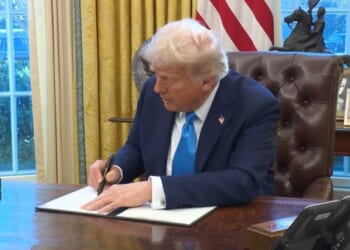
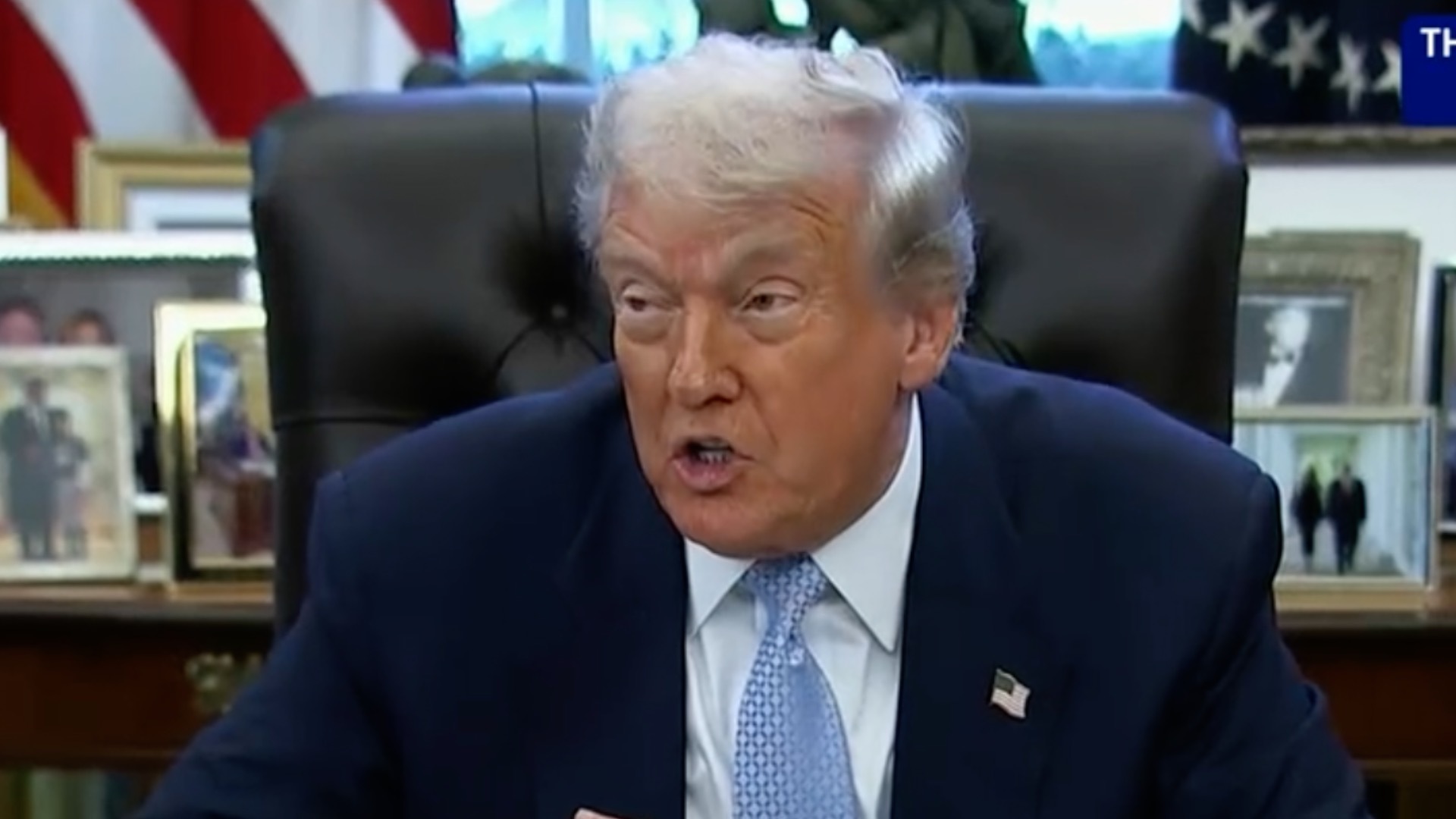
Then, last week on Fox News, President Trump, whose views on legal immigration often contradict those of his more restrictionist advisers, reversed field.
When host Laura Ingraham said, “We have plenty of talented people here,” Trump fired back: “No, you don’t have — you don’t have certain talents. And you have to — people have to learn.” …
… Trump may simply be repeating what tech and agriculture company executives have been saying to him in recent weeks. Or, perhaps he is spooked by reports of China’s new “K-Visa” which was announced in time to take advantage of news about America tightening its restrictions. He shouldn’t be.
There is no evidence that H-1B visas meaningfully contribute to American competence or competitiveness. They are most often used and abused for semi-skilled workers doing the most menial forms of desk work, data entry, or occasionally hard-coding data.