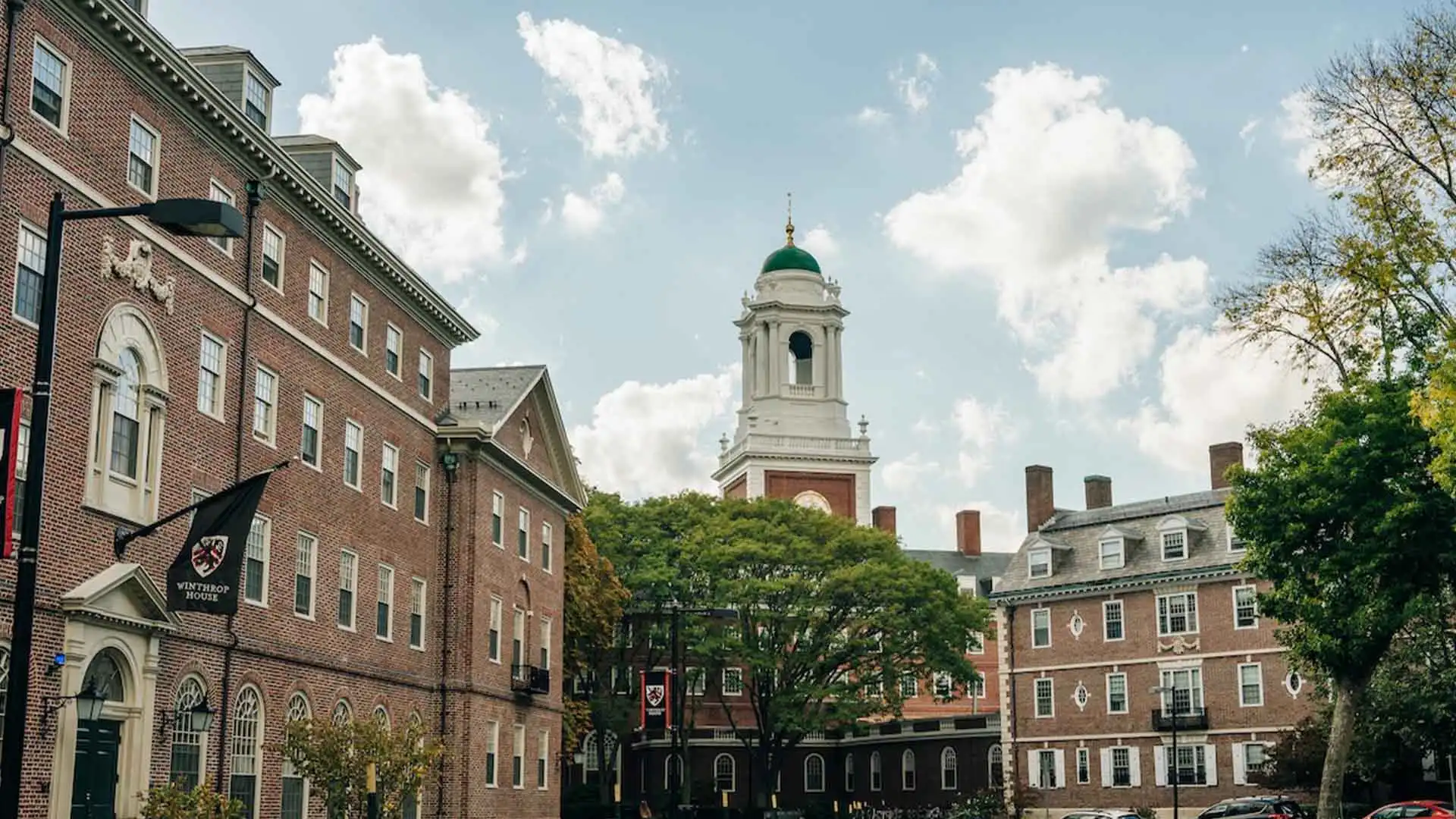

The interplay of religion and education is often considered controversial, but it need not be. In fact, an earlier Sutherland report described how religious schools provided the historic infrastructure of education in the United States, and still educate significant numbers of primary, secondary, and higher education students. In higher education in particular, religious schools make a unique and important contribution to student outcomes and to solving problems in higher education, such as accessibility, affordability, and attainability.
An important new report from researchers at Harvard’s Graduate School of Education and the Wheatley Institute at Brigham Young University makes a valuable contribution to a deeper understanding of the ways religion can “improve educational processes and outcomes for all children and youth.”
The report summarizes: “Religiosity—measured through private practices like prayer and participation in public rituals and services—is associated with higher levels of student achievement, educational attainment, and aspirations for higher education.”
For instance:
- “The most consistent finding is that religious attendance such as participation in church activities is statistically predictive of educational attainment.”
- “[P]ersonal religiosity affects GPA even after controlling statistically for student background factors such as race, socioeconomic status, and gender.”
- “A study of African American adolescents found that their ambitions for college attendance were significantly predicted by their participation in religious activity and the importance they assign to religion in their lives.”
The authors describe how religion contributes to these outcomes. For example, religious children and youth gain “competencies” from their faith activities such as “community speaking, compassion and helping others (even when no one else is watching), coping with stress, and learning how to manage societal stigmas.”
Add to this knowledge and skills like “literacy skills from studying scripture, knowledge of world history and civilizations, memorization skills from learning prayers, a stronger ‘internal locus of control,’ and an ability to extract and summarize key ideas from attending worship services and sermons.”
Religious activity creates “social and organizational ties to others within the faith, including family members,” which “provide students with information, resources, values, trusted systems of support, and opportunities that they may not otherwise have access to.”
More directly, religious organizations “offer a wide range of services, such as donations of school supplies, parent education classes, student tutoring, mentoring, college preparation (e.g., entrance exam training and help with scholarship applications), anti-suspension initiatives, and youth classes that address topics like social competence, student motivation, and study skills.”
The report’s authors candidly explain the limitations of religion’s contributions as well.
The report is inherently valuable for its careful research and the balanced descriptions of its findings. It provides an excellent contribution to understanding how religion and education can fruitfully interact. Its judicious recommendations are also very helpful.
The report deserves a wide readership.
Indeed, a recent Sutherland study shows that an accurate understanding of the social contributions of religious organizations and people of faith is associated with increased appreciation for religion and religious freedom.
The authors of the Harvard/BYU report have provided a great service. Improving educational outcomes for all students is a critical need. This report can help people of faith contribute to that important cause. It can also increase appreciation for the good religious people are already doing.