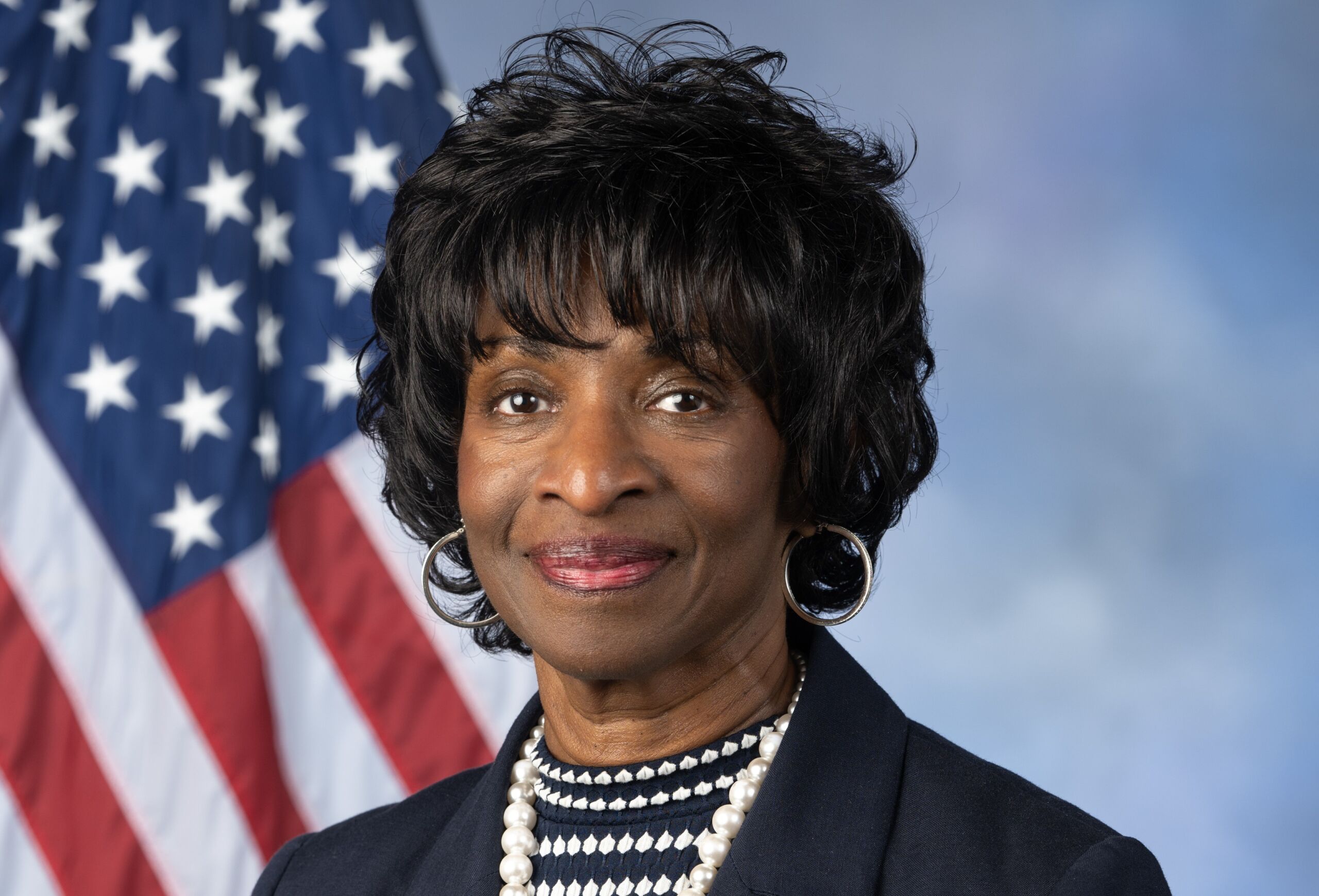
Cover photo: Official photo of 4th District Congresswoman Valerie Foushee. Foushee is in a competitive primary.
North Carolina completed early voting on Saturday, February 28. Here are a few early data points from Vote Tracker and Voter Registration Changes. The end of this post will have Vote Tracker presets for some closely watched races.
Voter Registrations slide again, but should surge next week
Every party registration dropped in the week from February 23 to March 2, but some dropped more than others:
- Democrats: -796
- Republicans: -1,022
- Libertarians: -35
- Greens: -11
- Unaffiliated: -1,660
As noted last week, such drops are normal during the early voting period. County election boards stop processing normal voter registration requests 25 days before an election (except for military and overseas voters), but they continue removing registrations of those who have died or moved out. Counties are processing same-day registrations from early voting sites, but it takes some time to confirm them.
Expect a jump in registrations after the March 3 primary. Voter registrations increased by 25,492 in the two weeks after the 2022 midterm primary.
You can explore county-level voter registration data from 2008 to today at the John Locke Foundation’s Voter Registration Changes.
Democrats continue to outpace Republicans, but not as much as in 2018
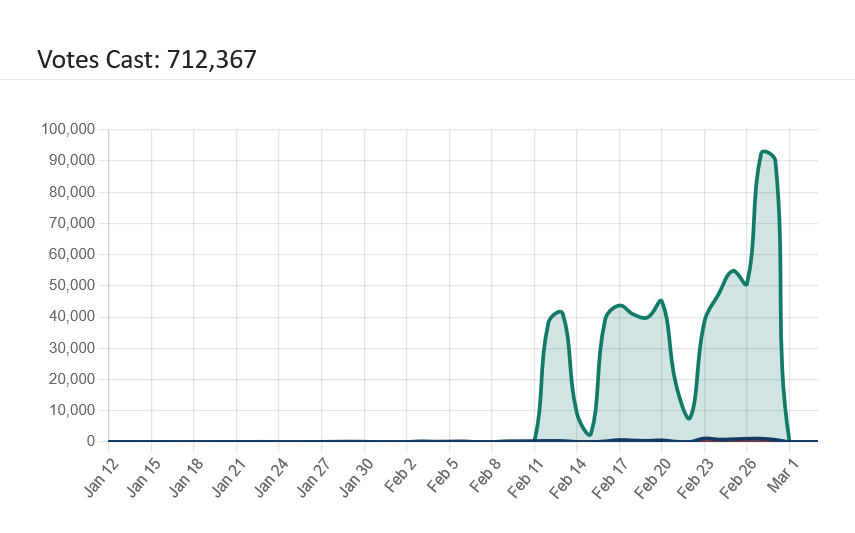
At Vote Tracker, 712,367 ballots have been accepted through Sunday, February 22, for the March 3 primary. That compares to 585,225 ballots accepted in 2022. (The numbers in the 2026 Vote Tracker link will change a little as some counties report submitted ballots later.)
According to data at the State Board of Elections, a total of 1,432,819 ballots were accepted in the 2022 primary out of 7,236,469 voters, a turnout of 19.8%. If we have the same turnout in 2026 (19.8% of 7,708,542 voters), we can expect about 813,924 votes on March 3. Turnout on March 3 will answer whether the increase in early turnout reflects more voting or just earlier voting.
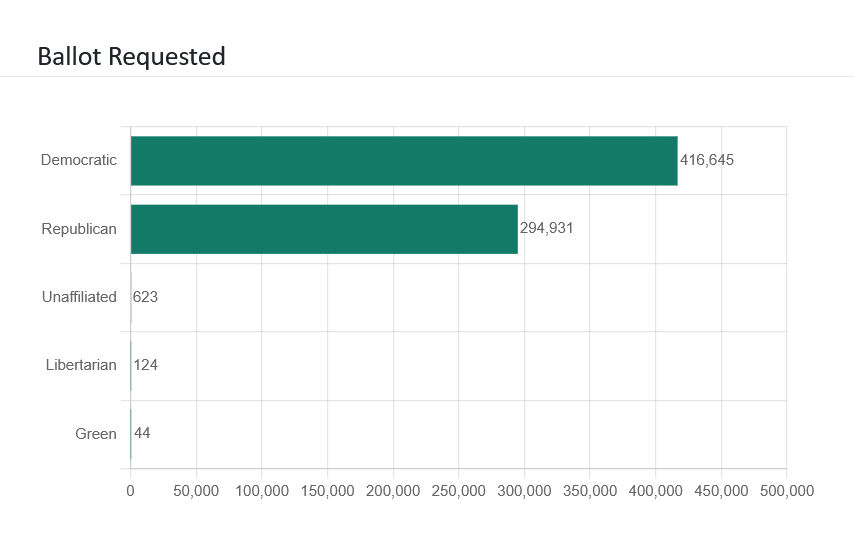
Most 2026 primary voters have requested Democratic ballots. 58.5% have requested Democratic ballots compared to 41.4% who have requested Republican ballots. Unaffiliated voters can request ballots for any primary (including an unaffiliated ballot if they only wish to vote in nonpartisan races on the primary ballot). In the 2026 primary, 55.9% of unaffiliated voters requested a Democratic ballot while 43.9% requested a Republican ballot.
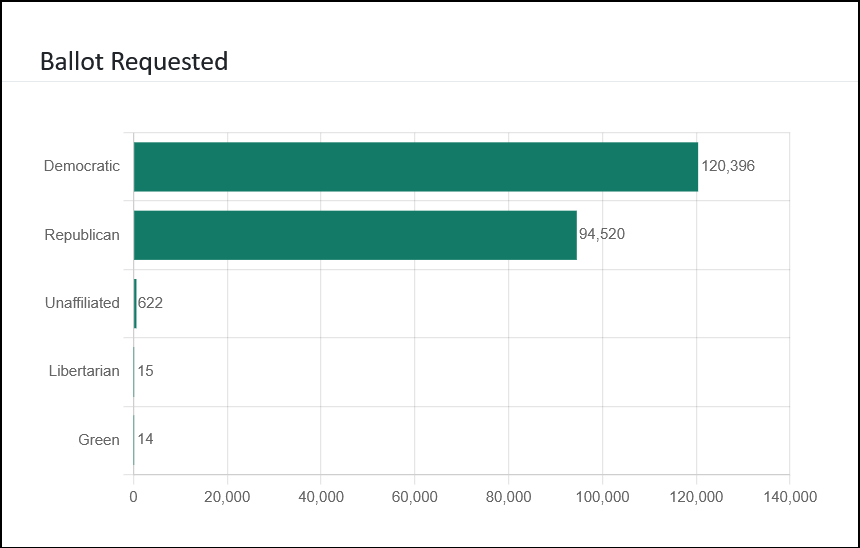
Those numbers are similar to 2018, the last primary with a Republican in the White House. In that primary, 59.0% requested Democratic ballots compared to 40.6% who requested Republican ballots.
There is a big change among unaffiliated voters on ballots requested. In the 2026 primary, 47.3% of unaffiliated voters requested a Democratic ballot while 51.5% requested a Republican ballot.
As noted last week, we should not read too much into the primary turnout numbers by party. The relationship between primary turnout and general election results is weak at best.
Presets: some congressional and General Assembly races to watch (mostly copied from last week)
Two North Carolina congressional primaries that have drawn attention:
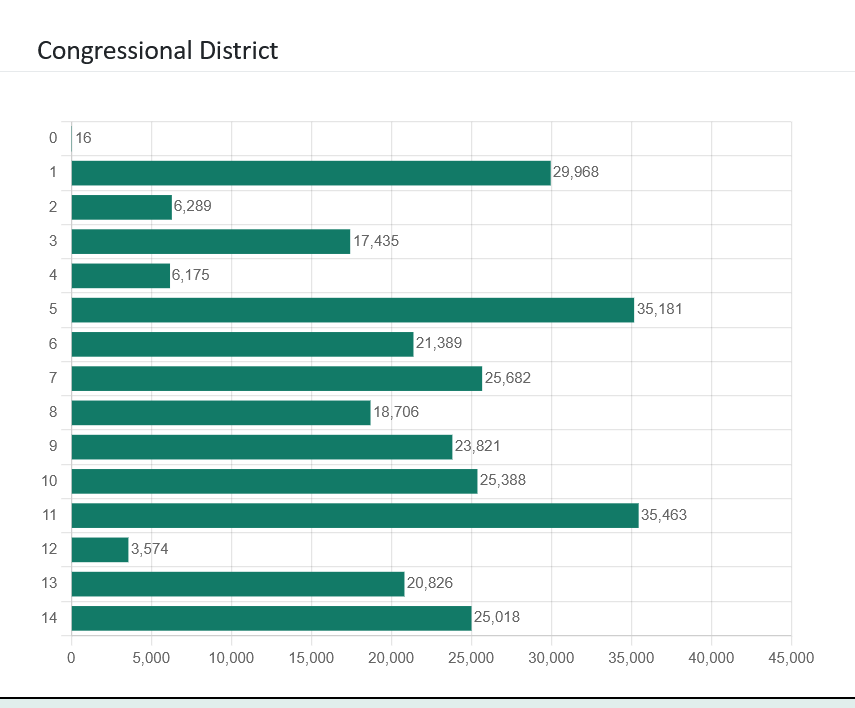
- First District Republican primary: In a February 11 poll, no candidate had the 30 percent needed to avoid a runoff. Carteret County Sheriff Asa Buck will likely dominate in his home county (the largest in the district and do well in others because of support from sheriffs in other counties. Businesswoman and 2024 nominee Laurie Buckhout will likely pull votes from across the district, especially in the counties that were part of the district before the General Assembly altered it last year. State Senator Bobby Hanig will likely do well in his senate district, which accounts for about a third of the votes in the primary so far.
- Fourth District Democratic primary: Congresswoman Valerie Foushee is facing Durham County Commissioner Nida Allam in a repeat of a tough 2022 primary. Allam is backed by Vermont Sen. Bernie Sanders and the party’s hard left wing.
- 11th District Republican primary: While Democrats are fuming about party leaders making Jamie Ager the heir apparent for the party’s nomination, incumbent Chuck Edwards finds himself in a potentially close race with challenger Adam Smith. The district has the highest Republican turnout in North Carolina so far.
Here are just a few of the interesting primaries for General Assembly seats: