Introduction
American patriot Patrick Henry noted, “The liberties of a people never were, nor ever will be, secure, when the transactions of their rulers may be concealed from them.” Government touches almost every aspect of our lives, from the food we eat to our children’s education, and the information government officials possess influences their decisions about laws and regulations. So, we have a right to the information that the government possesses.
Greater transparency is also correlated with more efficient and accountable governance, as both members of the public make more meaningful decisions at the ballot box and government officials avoid malfeasance for fear of being discovered. Roumeen Islam at the World Bank summarized his research on the relationship between government transparency and economic development as “more transparent governments govern better.”
So, transparency is essential for protecting our freedoms and making government more accountable.
Complete transparency is impractical, however. Some information, such as medical records or some employee personnel files, must remain confidential. In addition, there is a tradition and belief that some government communications should remain confidential, such as judicial deliberations, discussions between chief executives and their advisors (known as “executive privilege”), or government bodies going into closed session to discuss legal matters or prepare negotiations for purchases.
North Carolina attempts to strike a balance between transparency and privacy through two sets of laws. North Carolina’s public records law defines which records are public and which are not and describes the handling of those records. Similarly, the state’s open meetings law requires that most government bodies’ meetings be open to the public and defines exceptions to that requirement.
Local governments exploit loopholes in the open meetings law to circumvent it. They have declared meetings “informal gatherings,” restricted meeting recordings, and abused the allowance to hold closed sessions under limited circumstances. A common tactic is to exploit a supposed loophole that meetings are only official if a majority of members are present by dividing a government body into two or more groups to discuss upcoming business. They amount to what the North Carolina Open Government Coalition calls a “fragmented, asynchronous meeting of the full body” and allow officials to come to decisions about how they will vote in upcoming meetings without public knowledge of the decision-making process.
As North Carolina’s lawmaking body, the General Assembly does not have to circumvent transparency laws; it can simply change them. Page 531 of the 2023 budget included a provision stating that “the custodian of any General Assembly record shall determine, in the custodian’s discretion.” Another provision made legislators the custodians of “all documents, supporting documents, drafting requests, and information requests made or received by that legislator while a legislator.” The effect of those two provisions gave legislators the power to shield any document in their possession from public records requests.
Key Facts
- North Carolina General Statutes § 143 318.10 states that, with some exceptions, “each official meeting of a public body shall be open to the public, and any person is entitled to attend such a meeting.”
- Chapter 132 of North Carolina’s General Statutes defines public records as “all documents, papers, letters, maps, books, photographs, films, sound recordings, magnetic or other tapes, electronic data-processing records, artifacts, or other documentary material, regardless of physical form or characteristics, made or received pursuant to law or ordinance in connection with the transaction of public business by any agency of North Carolina government or its subdivisions.”
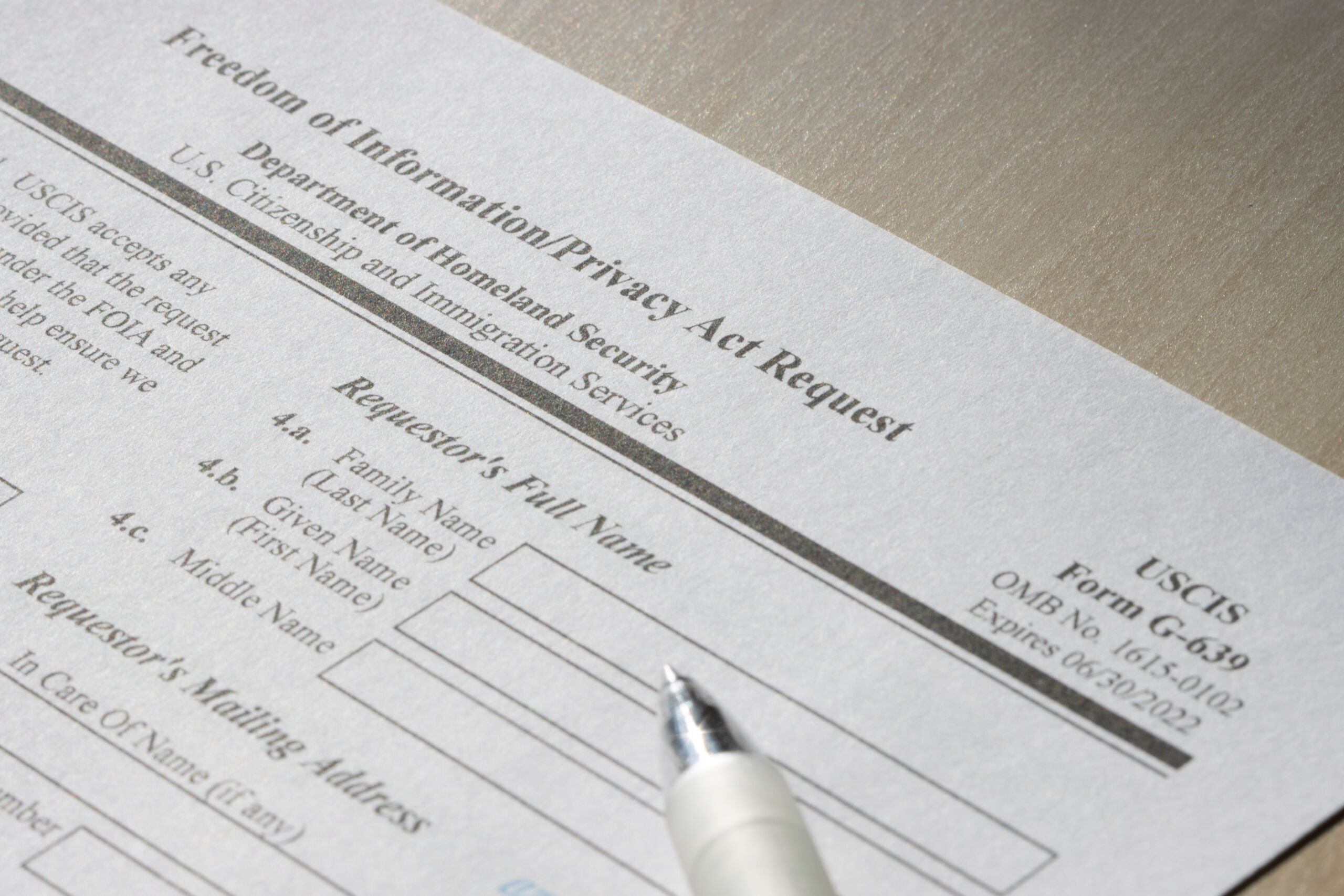
- Members of the public or media can request records at state and local government agencies by submitting public records requests (PRR). Many state government agencies have PRR forms on their websites.
- Many local governments, including Charlotte and Asheville, have evaded the open meetings law by conducting nonmajority meetings to determine policy decisions and then voting based on those discussions at an official meeting later. The meetings go by various names, such as “3-on-3s,” “small group meetings,” or “check-in sessions.”
- A 2021 report by the Brechner Center for Freedom of Information found that a constitutional “clearly outweighing” standard that favors public disclosure unless the interest served by nondisclosure outweighs that of disclosing a record can enhance the public’s access to government information.
Recommendations
1. Close the nonmajority meeting loophole in the open meetings law.
Amend the exceptions section of the open meetings law to state that “a meeting by less than a majority of a public body does not constitute an official meeting unless called or held to evade the spirit and purposes of this Article.” That change would make it plain to judges and local government attorneys that nonmajority meetings held to circumvent the public meetings law (clearly the intent of nonmajority meetings) are illegal.
2. Repeal the 2023 legislative records law.
Repeal or modify the provision in the 2023 budget that made legislators the sole judges of which documents they produce are public records.
3. Pass a transparency constitutional amendment.
Put a transparency constitutional amendment on the ballot. The amendment should cover all three branches of state government. It should also require a supermajority for the legislature to exempt itself from transparency laws and include a “clearly outweighing” standard that would favor public disclosure unless the interest served by nondisclosure outweighs that of disclosing a record. Both elements would foster a presumption of transparency.