North Carolina enters 2025 with a housing market that is often described as “relatively affordable,” especially when compared to coastal states or Sun Belt peers like Florida and Arizona. But that framing masks a deeper and more troubling reality. While prices here remain lower than the national average, the state is facing a severe and growing housing shortage driven less by market forces than by outdated land-use rules and regulatory barriers that constrain supply.
On paper, the state still looks attractive. The average listing price in North Carolina in 2025 is roughly $520,000, about 20 percent below the national average of $647,000, according to HousingWire. Roughly one-third of homes statewide are listed below $300,000, and around 22 percent are priced under $200,000, keeping homeownership within reach for many first-time buyers. These figures help explain why North Carolina continues to attract new residents at a rapid pace.
Yet affordability relative to other states does not mean affordability in absolute terms. Housing costs have risen much faster than incomes, and supply has failed to keep up with demand. New research from the North Carolina Housing Finance Agency estimates the state faces a housing shortfall of approximately 764,000 units over the next five years. This gap includes both rental and for-sale housing and reflects years of underbuilding, particularly in high-growth metro areas.
The consequences of this shortage are already visible. About 28 percent of North Carolina households are considered cost-burdened, meaning they spend more than 30 percent of their income on housing. Inventory remains historically tight, with statewide for-sale availability hovering around 0.8 percent, which is far below the 2 to 3 percent typically associated with a healthy market. These pressures fall hardest on lower- and middle-income households, young families, and workers attempting to live near job centers.
The strain is especially evident in the state’s largest metros. Charlotte’s median home price climbed to roughly $444,000 in late 2025, while the share of homes selling under $300,000 has dropped below 18 percent. Raleigh, Durham, and Chapel Hill continue to see strong demand fueled by job growth and in-migration, even as modest increases in inventory have slightly cooled bidding wars.
That failure is largely policy-driven. For decades, local zoning codes across North Carolina prioritized large-lot, single-family development and made anything else either illegal or prohibitively difficult. In Raleigh, for example, more than half of residential land was historically zoned exclusively for detached single-family homes, effectively banning duplexes, triplexes, townhomes, and small apartment buildings in much of the city. When population growth accelerated, the housing supply simply could not respond.
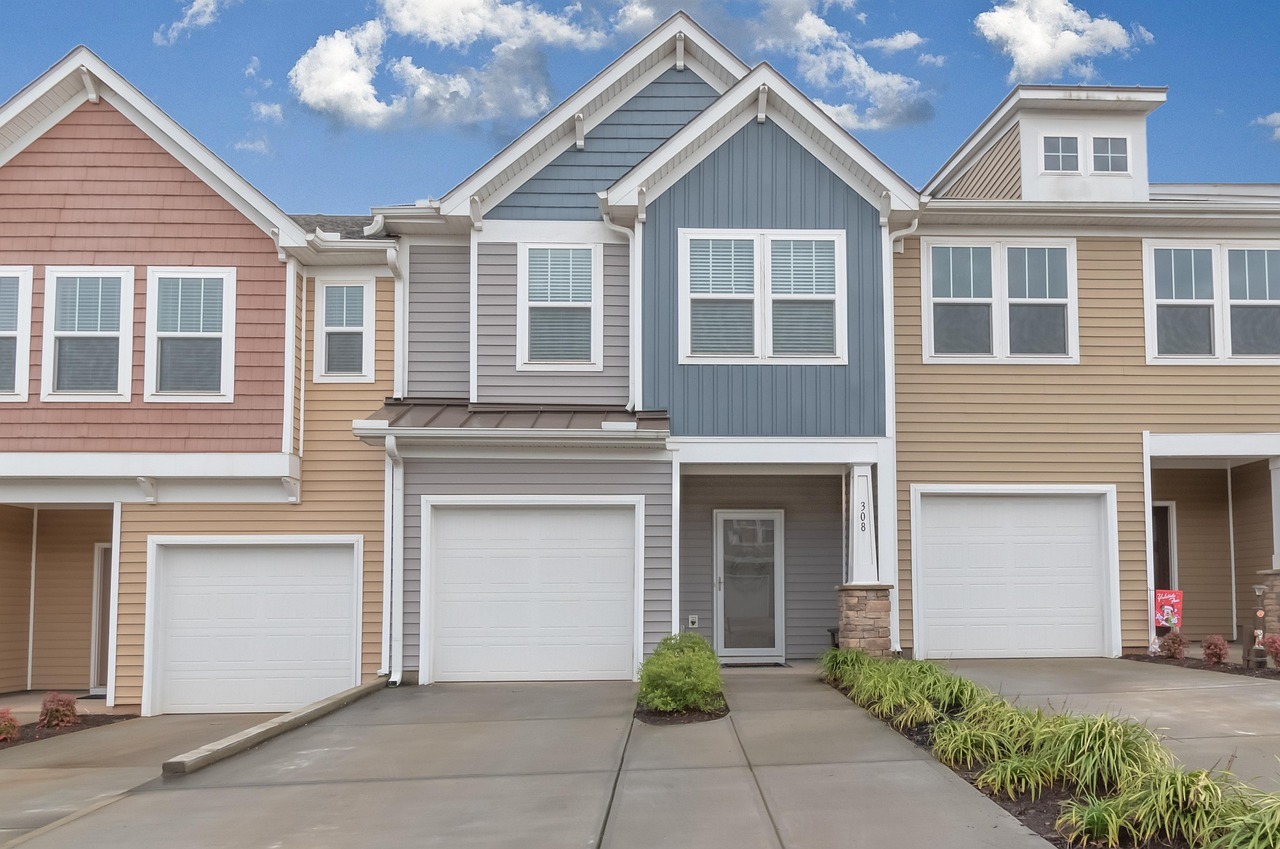
To Raleigh’s credit, that has begun to change. Recent zoning reforms have expanded by-right allowances for “missing middle” housing types such as duplexes, townhomes, cottage courts, and accessory dwelling units. More than 2,800 housing units have already been approved or proposed under rules that would not have permitted them just a few years ago. That makes up roughly 30 percent of recent housing approvals. These changes did not require massive subsidies or new bureaucracies. They simply removed barriers that prevented the market from doing its job.
Chapel Hill, long known for some of the most restrictive land-use policies in the state, has also taken notable steps forward. The town adopted reforms that reduced minimum lot sizes, eased parking requirements, expanded allowances for duplexes and ADUs, and streamlined approval processes. While modest on their own, these reforms represent a meaningful shift away from exclusionary zoning practices that have historically limited housing supply in one of the state’s most job-rich areas.
At the state level, lawmakers are beginning to recognize that local restrictions have broader economic consequences. Proposals such as Senate Bill 497 will be discussed further in 2026. The bill would require municipalities to allow a wider range of housing types in residential zones and limit the ability of local governments to impose excessive design standards or procedural delays. Other bills seek to legalize housing by right in commercial areas, reduce ADU restrictions, and curb costly mandates like parking minimums.
From a pro-deregulation perspective, the lesson of North Carolina’s housing market in 2025 is straightforward. Prices are high not because developers refuse to build, but because rules prevent them from doing so efficiently. Minimum lot sizes, parking mandates, lengthy permitting timelines, and rigid zoning classifications all add costs that ultimately show up in higher rents and home prices. When supply is artificially constrained, scarcity becomes permanent.
Deregulation does not mean abandoning safety or basic planning standards. It means allowing more homes to be built in more places, at more price points, without requiring years of hearings and discretionary approvals. NC municipalities must accept that multifamily housing is not a threat to communities but an essential component of a functioning housing market.
North Carolina still has an opportunity to avoid the extreme affordability crises seen elsewhere. But doing so will require policymakers to resist the temptation to treat housing as something to be rationed and instead allow it to be produced. Zoning reform and regulatory restraint are not radical ideas but pragmatic responses to a shortage that is already reshaping the state’s economy.