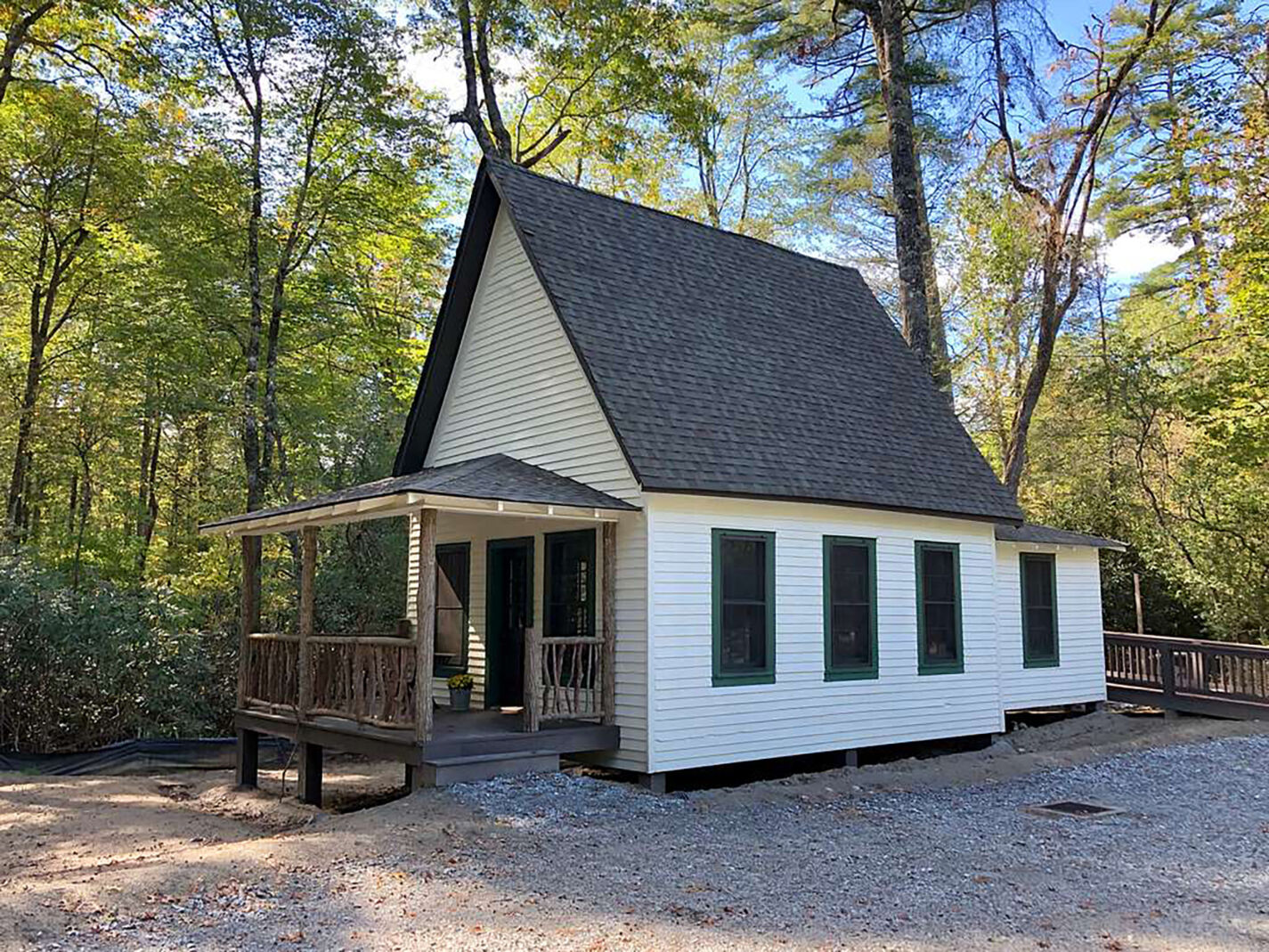
When I founded Burbrella Microschools, I never imagined that one of the biggest barriers to serving children — especially neurodivergent, gifted, and underserved learners — would come from something as basic as zoning. Yet that is exactly what I encountered when I purchased the property that became our new campus. Even after proving our impact and meeting the needs of families across multiple counties, I found myself navigating outdated regulatory frameworks that were never designed with small schools like microschools in mind.
That’s why I recently helped the Town of Gibsonville update its zoning ordinances to recognize microschools specifically. The ordinance defines microschools, specifies them as a permitted use within designated zoning districts, sets out development standards, and states the process for permitting and administrative review.
Securing this new zoning ordinance in the Town of Gibsonville required weeks of persistence, research, and collaboration. With the help and support of Gibsonville’s Planning and Zoning Board, I pulled policies and legislative language from states that had already created pathways for microschools. I met with town officials, explained what a microschool is and what it is not, and clarified how our small learning environments differ drastically from traditional schools in size, structure, and impact. I had to demonstrate that microschools should not be regulated under the same rules as institutions serving hundreds of students, rules that impose unnecessary costs, delays, and requirements that make it nearly impossible for founders to operate.
Through this work, I helped the town craft a local ordinance that finally provides clarity: Microschools are recognized, defined, and supported in zoning. This means that families who rely on these personalized learning environments, including Opportunity Scholarship recipients, can count on stability and founders can plan with confidence instead of fear of regulatory confusion.
But this win also revealed a deeper truth: No founder should have to go town to town rewriting zoning policies just to educate children. Now, North Carolina needs simple, statewide legislation that:
- Defines microschools clearly
- Defines regulations for innovative learning environments, such as microschools, hybrid homeschools, and other, similar models
- Provides consistent zoning and occupancy pathways
- Prevents misapplication of rules written for traditional schools
- Supports small learning environments that serve unique student populations
These are not heavy lifts. They are basic policy updates that remove ambiguity, reduce barriers, and open doors for more educators to innovate.
The Gibsonville ordinance is proof that progress is possible. It is the first step in what I hope becomes a statewide effort to ensure that every microschool founder and every family seeking educational freedom has the support, clarity, and protection they deserve.