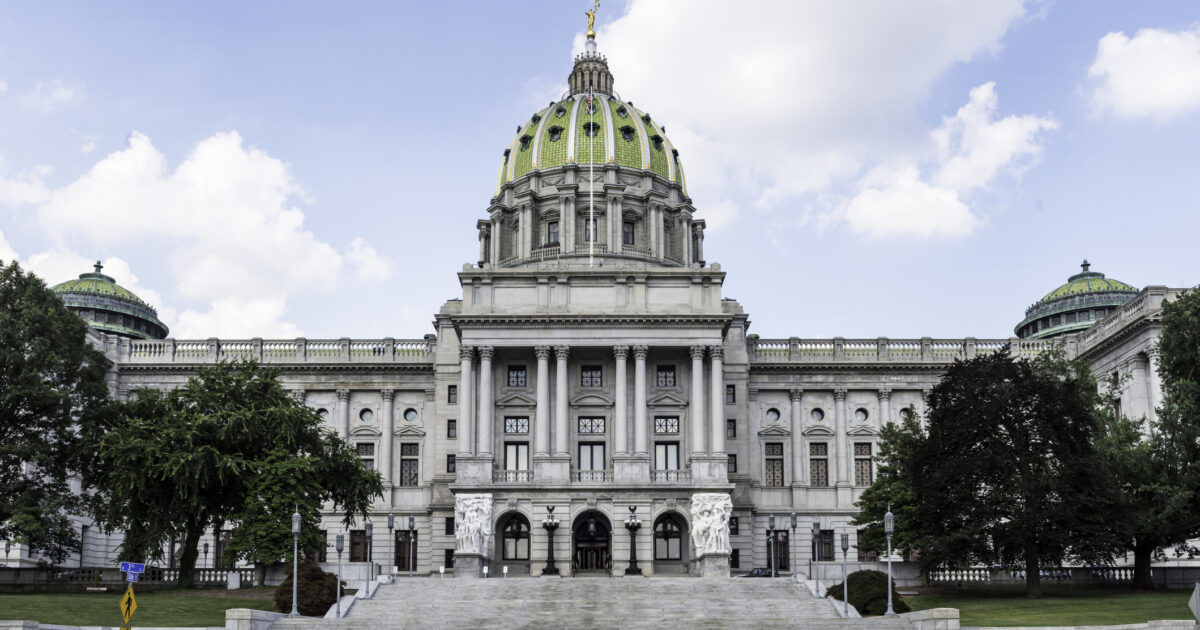
Harrisburg, Pa., November 12, 2025 — Despite Gov. Josh Shapiro’s failed leadership and a 135-day stalemate, Pennsylvania lawmakers passed a compromise budget for the 2025–2026 fiscal year.
The Commonwealth Foundation has released a comprehensive analysis of the newly passed budget, available here.
The budget, totaling $50.09 billion, includes a 5.1 percent spending increase.
While the agreement includes record spending levels and expands the structural deficit, the final deal is $1.4 billion less than Shapiro’s reckless, extreme proposal.
The long-awaited deal includes several wins for families and employers, including blocking energy taxes on working families, expediting permits for business development, expanding tax credit scholarships for low-income students, and reforming welfare.
Megan Martin, the Commonwealth Foundation’s chief operating officer and general counsel, issued the following statement in response:
“After leading the charge to unleash Pennsylvania’s energy sector, Senate Republicans finally freed our commonwealth from the threat of crippling energy taxes under RGGI.
“Moreover, the Senate put Pennsylvania on a more competitive path, ensuring the state is on track to continue reducing our CNIT and securing critical permitting reforms that will encourage investment in the commonwealth.
“Gov. Josh Shapiro’s lack of leadership left Pennsylvania vulnerable amid dual government shutdowns. Although Shapiro proposed an irresponsible budget that would have drained Pennsylvania’s Rainy Day Fund by $1.6 billion, legislative Republicans safeguarded our commonwealth’s fiscal safety net.
“While the final deal is imperfect, legislative Republicans persisted in protecting Pennsylvania families and taxpayers.”
Nathan Benefield, the Commonwealth Foundation’s chief policy officer and an expert on Pennsylvania’s state budget with more than 20 years of experience, continued:
“The budget spends far too much, though significantly less than Gov. Josh Shapiro’s proposed plan. The deal expands our structural deficit, drains reserves, and threatens a tax increase in 2026 or 2027.
“However, this budget does offer significant wins for families and businesses, from RGGI removal to permitting reform to expanded tax credit scholarships.
“One of the triumphs of this budget is the removal of the state from RGGI, saving Pennsylvania families from a 30 percent increase in energy costs. With the threat of RGGI off the table, a more prosperous future for Pennsylvania’s energy sector can move forward. That, combined with ‘deemed approved’ permitting reform, will improve Pennsylvania’s economic outlook.
“The budget also expands tax credit scholarships for low-income students. Unfortunately, the expansion does not cover scholarship demand. To escape failing schools, Pennsylvania students need more educational options, including Lifeline Scholarships.
“With less than three months until the governor delivers his next budget proposal, Pennsylvanians need leadership from the executive to ensure responsible spending addresses the state’s imminent fiscal cliff and prevents massive tax hikes on working families.
“As the next budget fight looms, lawmakers and the governor should focus on securing a stronger, more prosperous future for our commonwealth.”
Read our full analysis here.
Commonwealth Foundation experts are available. To request an interview or more information, contact gmd@commonwealthfoundation.org.
###
The Commonwealth Foundation transforms free-market ideas into public policies, empowering all Pennsylvanians to thrive.