Henry Payne writes for Townhall.com about the growing strength of protectionism among leading voices in both major political parties.
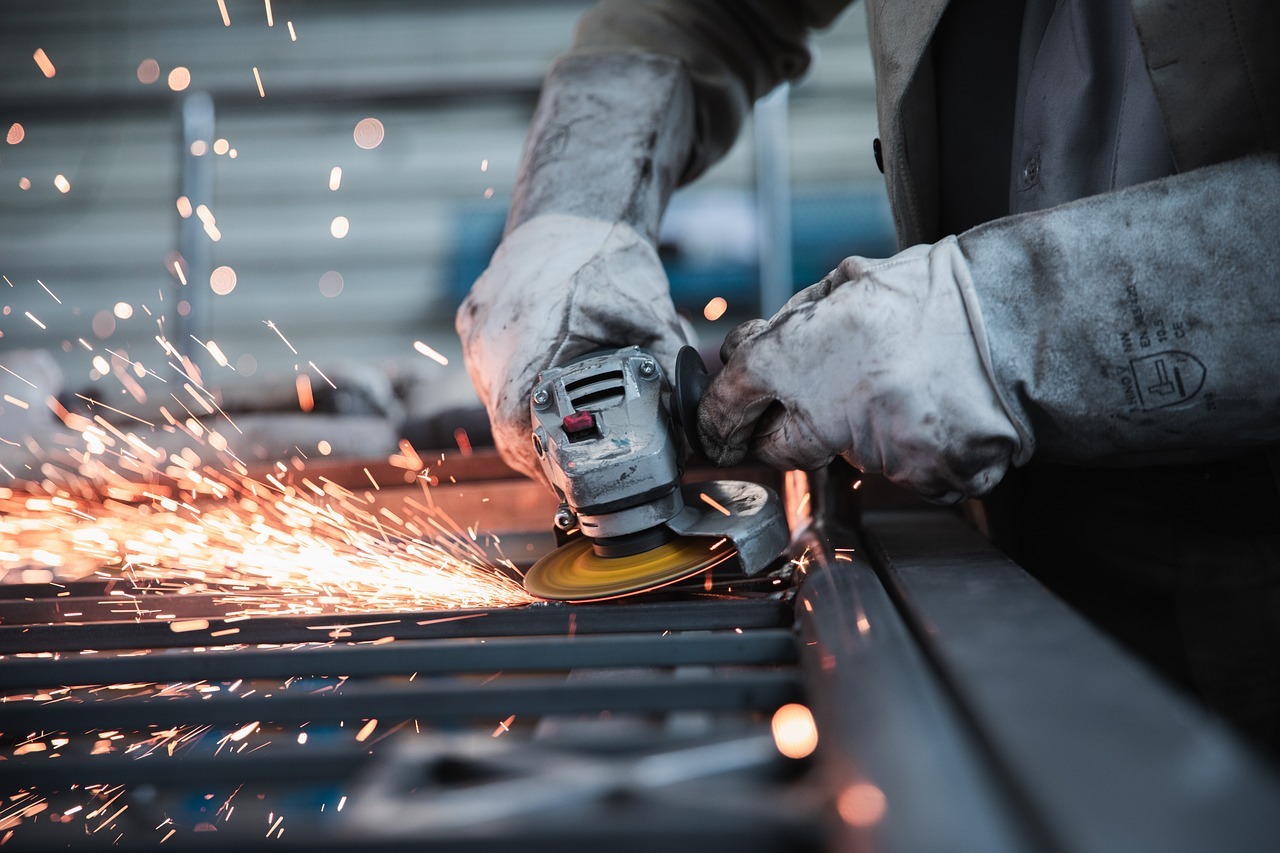
In response to the Trump Administration’s tariffs aimed at reshoring American manufacturing, Stellantis this fall announced $13 billion in new investment in U.S. operations. Spread across Midwest plants in Michigan, Ohio, Illinois, and Indiana, the investment – the largest in company history – is estimated to create over 5,000 jobs across all four of the transatlantic manufacturer’s American brands (Jeep, Dodge, Ram, and Chrysler) plus an additional 20,000 jobs at Stellantis suppliers.
“I’m extremely ecstatic about it. Without these tariffs, this probably wouldn’t have happened,” said Eric Graham, president of United Auto Workers Local 140 representing workers at Michigan’s Warren Truck, which stands to gain two new vehicles, hundreds of jobs, and $100 million in retooling after suffering significant layoffs last year.
The Administration’s dubious use of a trade deficit emergency to swiftly implement tariffs on international trade is facing strong legal headwinds. But on the political front, tariff policy is emblematic of the dramatic shift in working-class support to the Republican Party in America’s heartland. While the national Democratic Party has veered far to the climate left to embrace Communist China’s socialist industrial policy, President Donald Trump has adopted the protectionist industrial policy of 1980s Rust Belt Democrats like John Dingell (D-MI) and Dick Gephardt (D-MO), with Midwest Democrats scrambling to get on board.
Whatever the legal fate of Trump’s International Emergency Economic Powers Act, manufacturing protectionism has emerged as a bipartisan issue in a divided country.
Frequent Trump critic and Democratic Illinois Governor JB Pritzker hailed Stellantis’ plan that will jump-start Illinois’ idle Belvidere assembly with Jeep production. The investment, said Pritzker, will “anchor long-term economic growth, support local communities, and provide opportunities for workers and families who have historically been left behind.”