Editors at National Review Online question one piece of President Donald Trump’s approach to the Iran war.
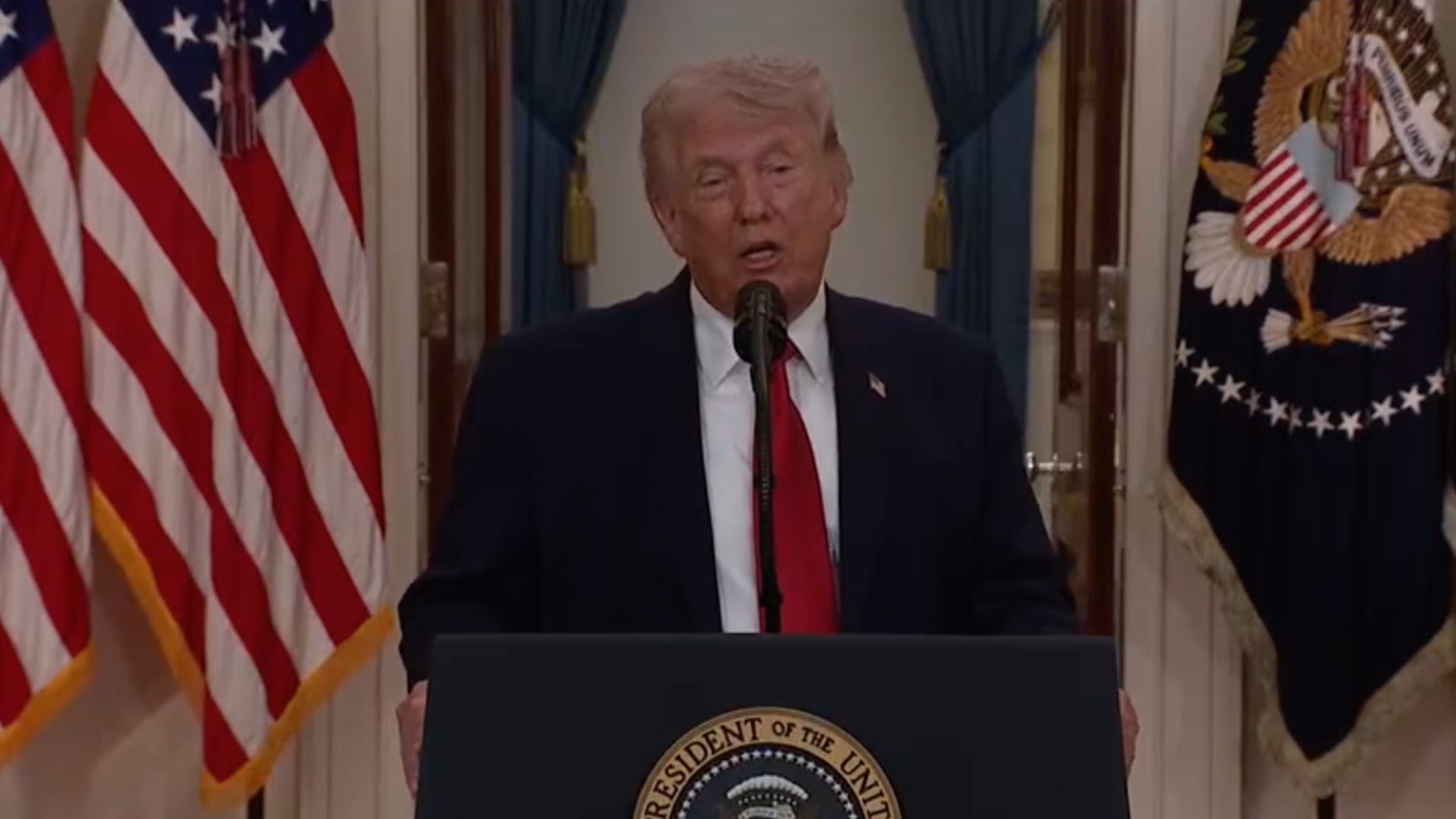
He talked with passion and relish about the devastating U.S. attacks on Iranian military capabilities and threatened more to come, perhaps targeting the Iranian electricity grid and the country’s oil facilities if there isn’t a deal soon.
For all that Trump boasted about U.S. power and threatened to use it in even more fearsome ways, he adopted a posture of relative impotence regarding the Strait of Hormuz. He urged the Europeans to open it or, he said, it would open up naturally when the conflict ends.
This is not a trifling matter. Since its earliest years, the U.S. has regarded maintaining the freedom of the seas as a vital national interest.
We have also long rejected “excessive” maritime claims (which would include the imposition of transit fees) by coastal states. The U.S. recognizes that the Strait of Hormuz is in Iranian and Omani waters but maintains that, under international law, they must be open to traffic, an uncontroversial argument — outside Tehran and other bandit lairs. We hear a great deal from Europeans about the importance they attach to international law. Now would be a good moment for them to show that they mean it.
As so often with President Trump, his handling of our European allies over the Iran war has included home truths, gratuitous insults, and profoundly dangerous ideas. The surge in the price of oil and certain other commodities caused by this war has been a windfall for the Kremlin. Denigrating NATO, as Trump has done — let alone threatening to leave it — adds further to Putin’s strategic haul. That is not in this country’s interest, and neither is suggesting that the U.S. might leave the Europeans to sort out the Strait of Hormuz for themselves.