Shawn Fleetwood writes for the Federalist about a significant case at the nation’s highest court.
The 2026 midterms may be a year away, but the battle over rules governing America’s elections remains very much ongoing.
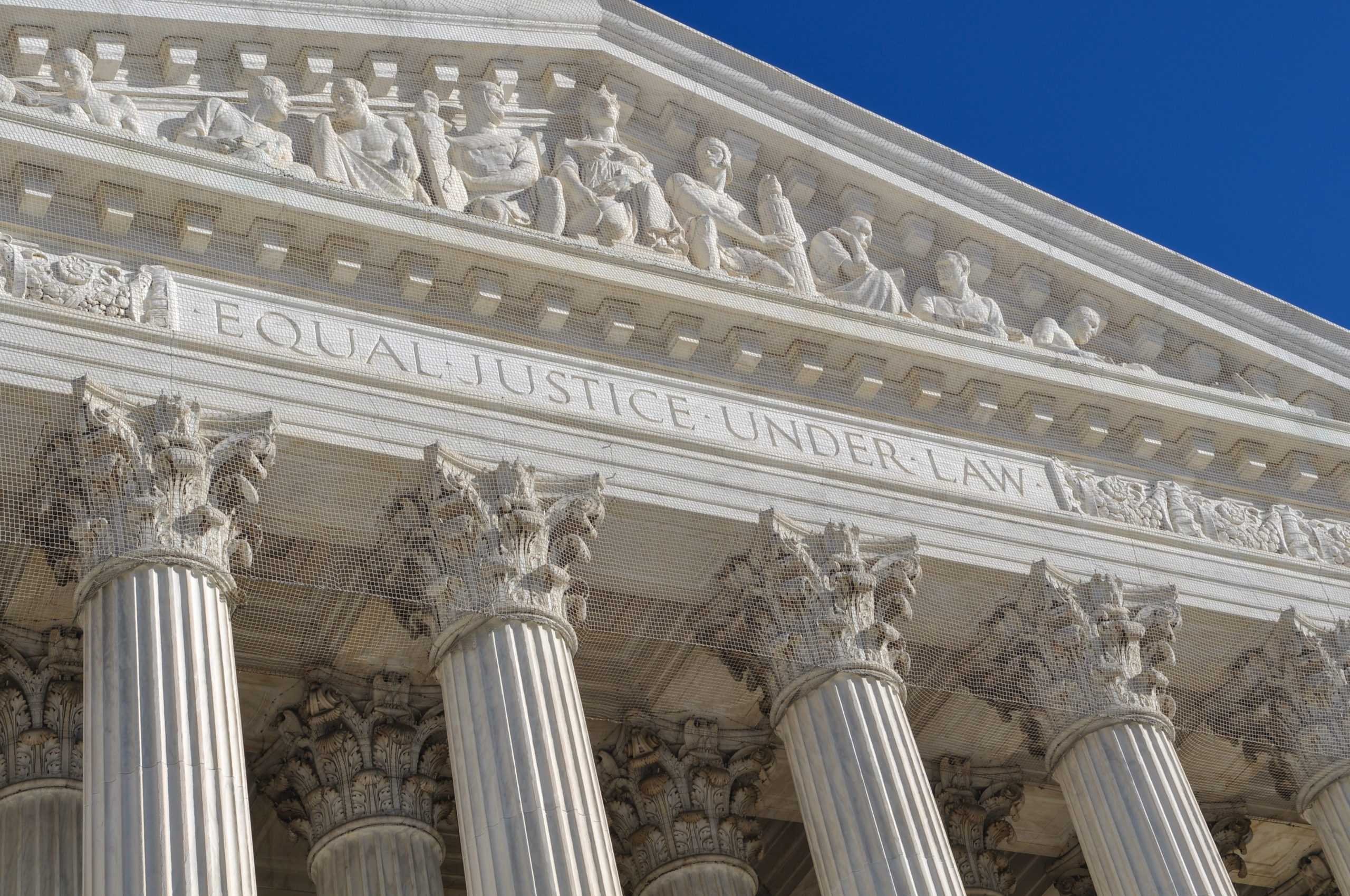
On Tuesday, the U.S. Supreme Court held oral arguments in National Republican Senatorial Committee (NRSC) v. Federal Election Commission (FEC), which centers on a challenge to provisions of the Federal Election Campaign Act (FECA) that restrict the ability of candidates and political parties to coordinate spending with one another. More specifically, the suit — which was brought in 2022 alongside the National Republican Congressional Committee, then-Sen. J.D. Vance, R-Ohio, and then-Rep. Steve Chabot, R-Ohio — contends that these limitations violate the First Amendment.
In his opening statement, NRSC counsel Noel Francisco argued that the “coordinated party spending limits are at war with [the Supreme Court’s] recent First Amendment cases,” and that the prevailing “theory is that they’re needed to prevent an individual donor from laundering a $44,000 donation through the party to a particular candidate in exchange for official action.” “But that Rube Goldberg theory,” he reasoned, “fails for the same reasons this Court rejected it in [McCutcheon v. FEC].”
“First, it’s unlikely to work because the donor has to cede control of his money to the party committees, which have their own interests. Second, it’s already prevented by other things, including the $44,000 base limit, the earmarking rule, disclosure requirements, and the bribery laws,” Francisco said. “And third, there’s no need for it since a would-be briber would be better off just giving a massive donation to the candidate’s favorite super PAC. That’s why no one has identified a single case in which a donor has actually laundered a bribe to a candidate through a party’s coordinated spending even though 28 states allow it.”
The NRSC’s arguments (unsurprisingly) faced pushback from the court’s Democrat appointees, including Associate Justice Sonia Sotomayor.