Editors at National Review Online seek improvements in a plan to end a war on Europe’s eastern edge.
It’s been a confusing and dispiriting couple of days for the administration’s 28-point proposal to end the Russo-Ukrainian war. Who wrote it? Was it really a nonnegotiable demand on Ukraine? Now, there’s word that the U.S. and Ukraine have been working cooperatively on changes. That doesn’t make the original plan any better, but it suggests, one hopes, it’s a starting point rather than an inevitable destination.
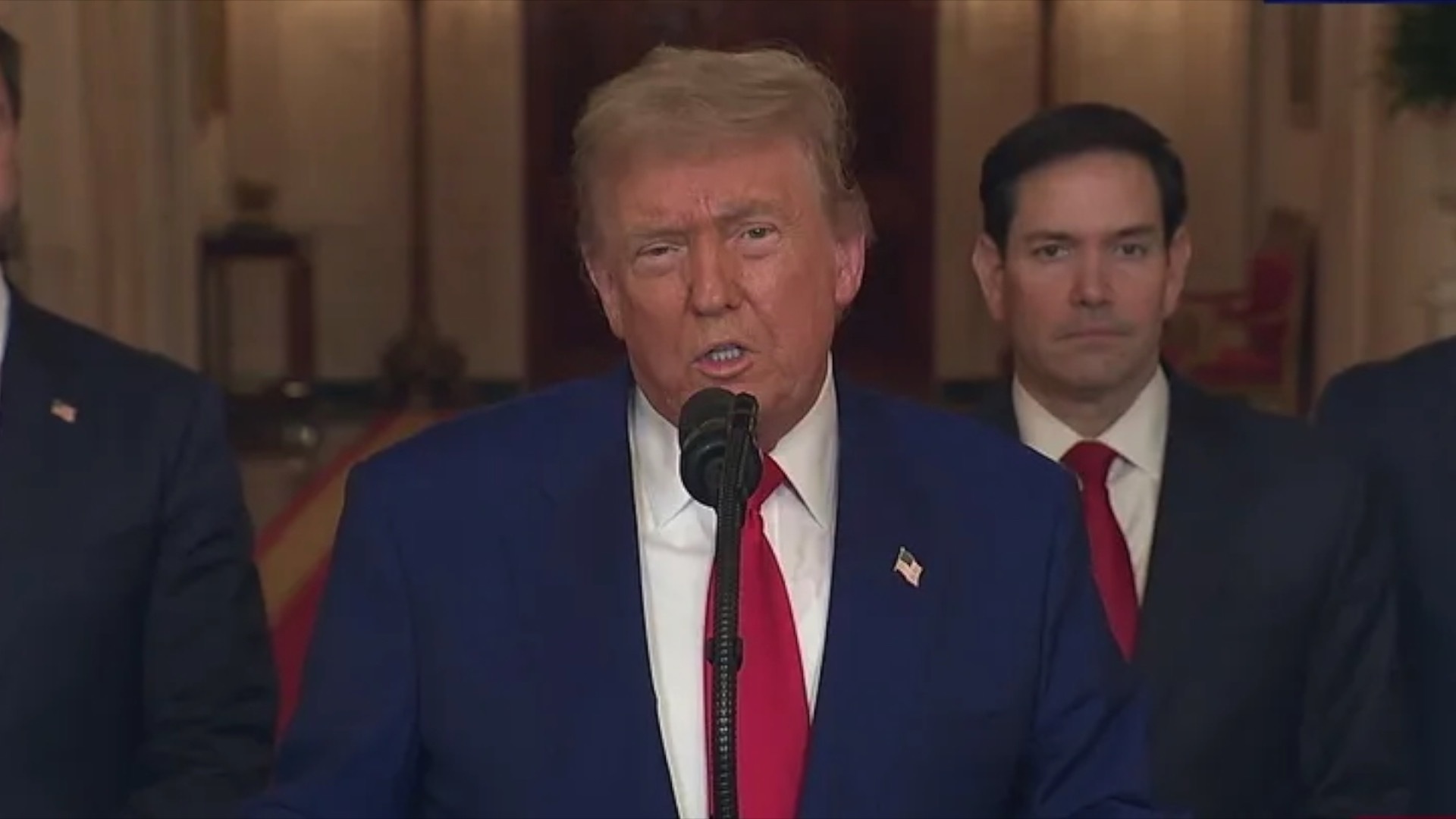
The original plan tilts heavily toward Russia, and, worse, there are signs that some of its clumsier passages were crude, cut-and-paste translations from the original Russian. Impressions of a Russo-American diktat have been reinforced by the (since retracted) insistence that its terms were final, the imposition of a ludicrously tight deadline, and President Trump’s petulant grumbling on Truth Social about Ukrainian “ingratitude.”
What the president may have seen as necessary toughness struck many as a display of both weakness and naïveté. Vladimir Putin has repeatedly played Trump for a fool, and it’s his goal to keep doing so.
Regarding the 28 points, the first — that Ukraine’s sovereignty will be “confirmed” — is worth one cheer, but falls well short of the standard set in the 1994 Budapest Memorandum. Back then, Russia agreed “to respect the independence and sovereignty and the existing borders of Ukraine” (our emphasis). That promise died in the Donbas and Crimea in 2014. To restate that pledge, if only partially, would be a start, but not a reassuring one.
Ukraine must now realize that treaties count for less than force. Despite the remarkable efforts of the Ukrainian military, Russia is using its superior resources (and behind them, those of China) to grind Ukraine down. With the Kremlin’s grip secure at home, Russia is not going to lose this war on anything like the current trajectory, nor will it, with extremely limited exceptions, give up any of the territory that it has conquered. We wish it were otherwise, but it is not.