As I explained a year ago, the constitutionality of President Trump’s executive order denying birthright citizenship to the children of illegal aliens and temporary visitors turns on the meaning of five words in the citizenship clause of the 14th Amendment:
All persons born or naturalized in the United States, and subject to the jurisdiction thereof, are citizens of the United States. [Emphasis added.]
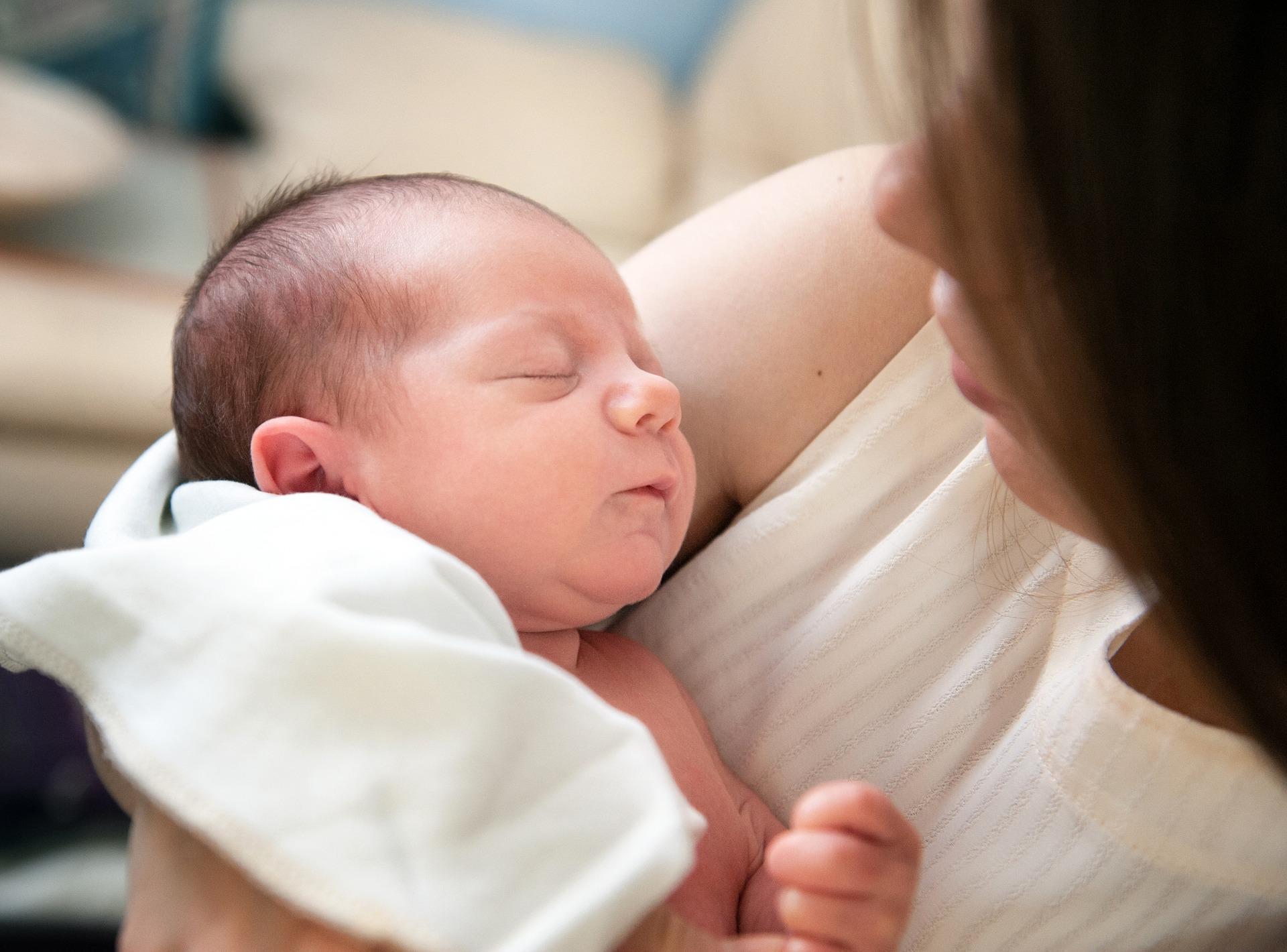
According to the order’s supporters, babies born in the United States to illegal aliens and temporary visitors are not subject to American jurisdiction. The phrase itself, however, refers specifically to the newborn infants themselves and says nothing about their parents. That being the case, I’ve been particularly interested in analyses that focus on how the law has dealt with such infants in the past.
A couple of weeks ago, I drew attention to an article that looked at the legal status of Gypsy children in the 18th and 19th centuries. Today I’d like to recommend an article that looks at the legal status of foundlings, i.e., abandoned children of unknown parentage. The article’s authors begin by saying:
Foundlings – babies born of unknown parentage – loomed large in the imagination of mid-19th century Americans, who dutifully read their Bibles and thought about baby Moses in a basket. Americans in the Civil War era also read novels both comic and dramatic, featuring eponymous foundlings such as Henry Fielding’s delightful Tom Jones and Charles Dickens’ virtuous Oliver Twist.
It is thus fitting and proper that several of the best briefs in the pending birthright-citizenship case, Trump v. Barbara, contain interesting discussions of foundlings, who featured prominently in conversations about a Civil War amendment – the 14th – that pivoted on the word “born.” Foundlings also featured prominently in a landmark 20th-century statute that aimed to build on 14th Amendment concepts of birthright citizenship. …
The authors go on to provide extensive excerpts from those briefs. Here are a few of the most interesting:
Indiana’s acting governor Conrad Baker … explained the 14th Amendment in a prominent speech delivered in Evansville during the summer of 1866, when the amendment was pending before the nation. A “foundling … at your doorstep” who “may never know who gave him birth,” Baker intoned, was “just as much an American citizen as the Chief Magistrate of the nation.” …
If a newborn infant an hour removed from its mother’s womb were left at a fire station, the state would not ask for the immigration status of the parent before protecting the child. If a neighbor reported that a newborn infant was being neglected or abused in the house next door, the state would not require the parent’s immigration status before extending protection to the child. If a mother were to die in childbirth, the state would not question the immigration status of the mother before undertaking protection for the child. The child in these circumstances is within the jurisdiction of the United States regardless of the immigration status of the parent, and because the child is within the jurisdiction of the United States the government owes the child a duty of protection. That is the natural duty of a sovereign in actual possession of a territory. …
Parentage opens a Pandora’s box, and implicates devilish questions not always defined by uniform federal law operating in other contexts. Who are a baby’s parents? What if a mother is married to one man, but another man is the biological progenitor? What if there are disputes about biological parentage? What if a baby’s biological father is unknown? What about foundlings? In today’s world, what about a baby born from Woman A’s egg and Man B’s sperm, who issues from the womb of Woman C and is also claimed by Humans D, E, and F (A’s, B’s, and C’s respective lawful spouses)?