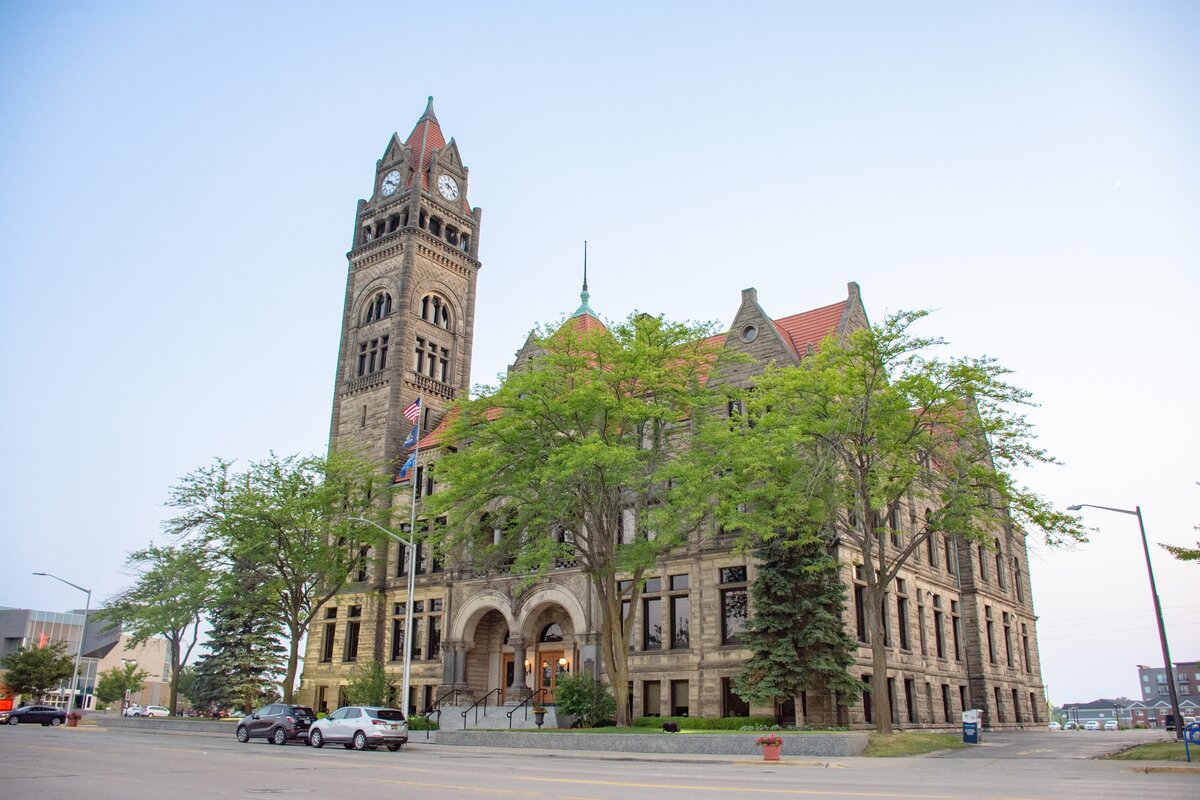
In just the past few months, multiple stories have emerged of local government restrictions holding residents back in Bay City, Michigan. As reported by Bay City Times:
Rigid parking requirements
Local business owner Lyndsay Edmonds faced months of delays trying to open a small bed and breakfast. She had to get approval from three different city departments (planning, zoning and historical commission) in order to seek multiple variances. Why? Because of the city’s rigid parking requirements. Bay City has parking minimums she can’t comply with. The city thinks it knows better than businesses and entrepreneurs about how many parking spots their own establishment needs.
So a modest project has been delayed, costing time and money. And if Edmonds can’t get a variance for the project? “Personally, I’d probably collapse the idea and let the home sit vacant. I don’t know what the other option is.”
Discouraging civic traditions
The Chilson Street Halloween displays are a long-running neighborhood tradition — until this year when it was halted until residents obtained formal permits and insurance. Holding up displays with wooden posts is illegal in the right of way, an “encroachment permit” is needed and extra liability insurance has to be purchased by homeowners. Bureaucratic liability concerns replaced what had been a spontaneous, community event.
Overzealous enforcement
Residents were repeatedly fined $200 for not promptly bringing in their garbage cans. The regulation was previously not being enforced — at least not uniformly — but many residents were suddenly slapped with tickets. Elderly residents, those on vacation and single parents working full-time have trouble complying.
America’s entrepreneurial spirit thrives when government is small and focused on what it should be doing. So how do we determine whether the government – at the federal, state or local level – should get involved?
Three questions should be considered: Is it really the government’s role to regulate this activity? Will the regulation be effective? Is this effective regulation worth the cost after considering the trade-offs?
Something for Bay City’s elected officials to consider.