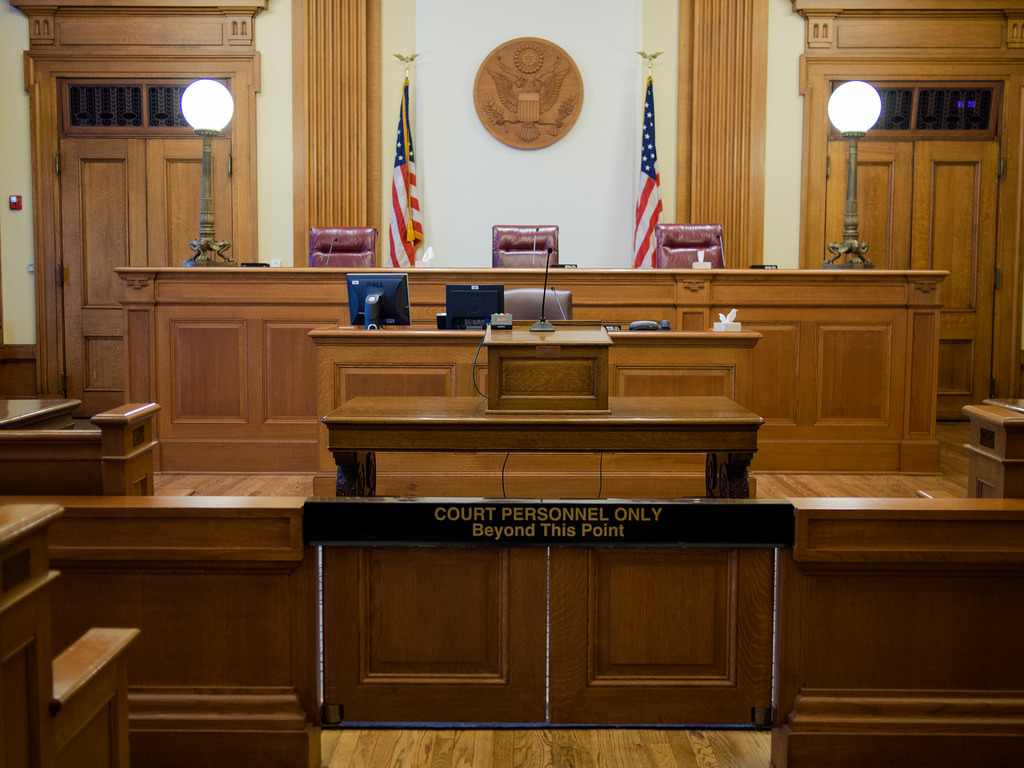
This week, I took one of my colleagues to family court. We wanted to better understand the system that processes thousands of cases each year. These courts are designed to protect children and families, but what we witnessed raised questions about whether they truly function as courts at all.
The first time I attended a Child Protective Services (CPS) hearing, I saw seven cases cycle through the same courtroom in just three hours. Most of the proceedings were procedural: the judge and attorneys reviewed and rubber-stamped already hashed out plans.
Families rotated in and out, but the attorneys largely stayed the same. Lawyers representing the department, the parents, the children, and Court Appointed Special Advocates (CASA) took turns stepping forward. What struck me most was the familiarity. Everyone seemed to know one another, and the casual conversations before the judge entered gave the courtroom the feeling of a standing weekly meeting more than a legal proceeding. I had expected a clash of arguments, yet what I saw was a friendly atmosphere.
On my most recent visit, that dynamic played out in a longer, trial-style case with opening statements and witnesses. Before it began, the lawyers laughed together like longtime colleagues. Once the trial started, however, they split into opposing positions. The mother’s attorney, surprised by the children’s court-appointed lawyer advocating continued oversight, accused him of “betraying the trust of the mother.” It felt less like a debate over facts than a rupture of expected alliances.
Respect and collegiality are not problems in themselves; they are essential to any functioning court. But in CPS proceedings, the sheer familiarity among attorneys risks blurring advocacy into routine. Instead of the adversarial process we expect in courtrooms, these hearings can resemble social work conducted in front of a judge.
The structure of appointments deepens this problem. The same judge-appointed attorneys appear week after week alongside the same CPS and CASA representatives. As a byproduct, lawyers could find themselves encouraged to prioritize smooth proceedings over vigorous advocacy. Attorneys may hesitate to press difficult arguments that inconvenience the judge, knowing their livelihood depends on future appointments. Judges, for their part, may prefer lawyers who keep the docket moving rather than those who slow it down by challenging the system on behalf of clients.
To be clear, the lawyers are not at fault. But the structure of CPS courts makes it difficult for them to fulfill their role as true advocates. When productivity is valued primarily, advocacy is treated almost as a nuisance. Judges presiding over dozens of cases every week may simply not have the time to welcome extended arguments or contested hearings. This dynamic reflects a deeper problem: our CPS courts are overburdened. Families are pushed through in a standardized way, with service plans and rulings that often feel cookie-cutter. While the mission of protecting children is real and urgent, the structure leaves little room for genuine, case-specific advocacy.
That is why reforms like Senator Zaffirini’s bill (SB 2501) from the 89th session matter. These proposals aim to shift the appointment process more toward the parents and their chosen representatives. By making attorneys accountable to clients rather than to judges, the bill would empower lawyers to advocate for their clients’ best interests and improve the quality of representation provided to families potentially facing the loss of their children more zealously.
Judges, also, will benefit from a shift back toward the traditional adversarial system of justice. The adversarial system is intended to protect the rights of individuals and promote justice through a “battle” of evidence and arguments presented by opposing sides to better enable the judge to ascertain the truth. Although it may be viewed as messier and more inefficient for quickly resolving cases than the current collaborative approach common in CPS cases, the adversarial system is better equipped to safeguard the rights of parents and children. These protections are critical in cases where the stakes—the permanent destruction of a family—could not be higher.
At the end of every case I observed, the judge offered a variation of the same line: “I hope that the circumstances that brought you here will be resolved, and that you take all necessary steps to ensure this does not happen again.” The sentiment is right. But unless the system itself is restructured to encourage genuine adversarial representation, families will continue to be urged to change while the court itself remains stubbornly the same.