“Montanans should look past fear-driven narratives and recognize data centers as an opportunity to support local economies while helping pay for infrastructure we already need.”
Earlier this month, an opinion piece titled “Electric Ratepayers Footing the Bill for Data Centers” argued that data centers will drive up electricity costs in Montana and force residents to subsidize utilities and tech companies. That framing overlooks how electricity markets actually function, why rates rise, and the benefits Montanans can gain. Montanans deserve the full picture.
Most of the U.S. electric grid was built between the 1950s and 1970s, meaning we face major transmission and distribution upgrades simply to keep the existing system running.
Just as these upgrades have become unavoidable, the cost of undertaking them has risen sharply. As a result, rising electricity rates today are largely driven by factors unrelated to data center development. Nationally, transmission and distribution infrastructure – poles, wires, transformers and grid resiliency upgrades – has more than doubled in cost over the past two decades amid inflation, climate pressures and aging equipment. This is supported by a recent study that found transmission and distribution related expenses have increased 50% from 2019 to 2023, far outpacing inflation.
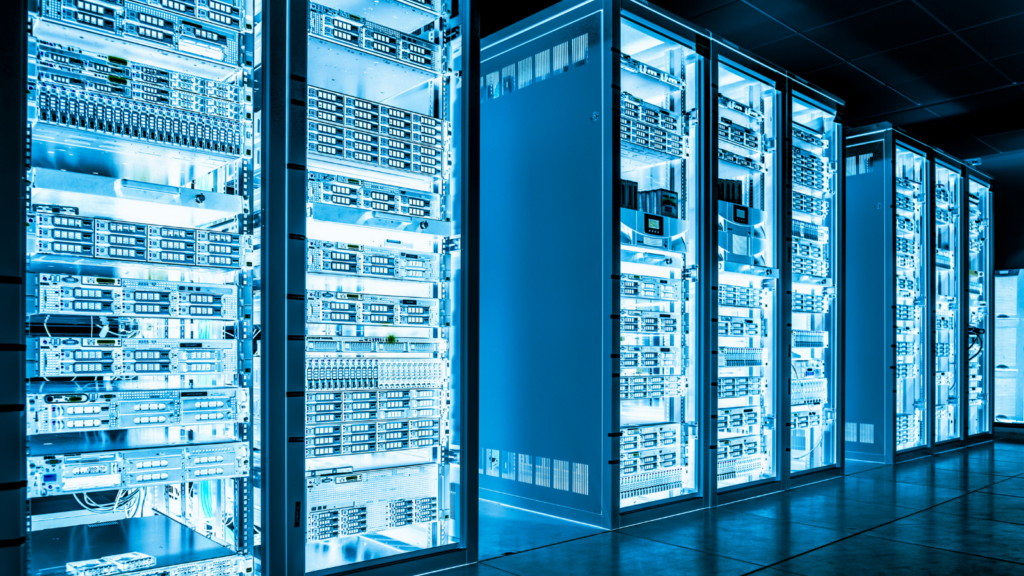
Luckily, we’re also seeing a once-in-a-generation increase in electricity demand from data centers, which can help absorb the costs of inevitable upgrades. This dynamic is not theoretical; independent research shows that in regions where energy demand increased due in part to data centers, retail rates have actually fallen or remained stable, because fixed grid costs are spread across more users.
But does that mean data centers should get a free ride? Absolutely not. Cost-allocation rules can and should require that large users pay their fair share of interconnection, generation and transmission upgrades. With proper regulatory policy, such as separate tariffs or upfront infrastructure contributions, data centers can help deliver benefits to Montanans while shielding residential customers from cost shifting.
So what about the author’s anecdotal claim that wholesale prices have spiked near some data centers? That claim mistakes correlation for causation and ignores the market mechanics that drive wholesale prices for everyone. Wholesale prices routinely fluctuate based on supply and demand conditions, fuel costs, transmission constraints, generation availability, and renewable mandates – factors that exist regardless of whether a data center is present and that do not automatically translate into higher retail rates for households.
Electricity is not the only area where claims about data centers deserve closer scrutiny. Water use is a shared concern in Montana, but in this debate it is often framed using exaggerated or misleading statistics.
Some data centers, particularly in regions with high humidity, extreme heat, or abundant access to fresh or salt water, do use water to cool data centers. However, water-cooled facilities account for only about 22% of data centers, and among those, the overwhelming majority rely on closed-loop systems that continuously recycle the same water.
News reports often note that data centers use both water and electricity, but fail to explain that the two are largely a tradeoff; facilities that primarily use water consume less electricity, while those that avoid water rely more heavily on electricity. Montana’s dry, cool climate makes it particularly well suited for air-cooled data centers, which rely more on electricity and little to no water.
After putting aside the doomsday claims, Montanans can see that data centers can enable the global export of Montana-made energy, create construction jobs and well-paying permanent jobs that do not require extensive formal education, strengthen local tax bases, attract ancillary businesses, and help spread the unavoidable cost of modernizing an aging electric grid across new users rather than placing that burden on Montana households.
With clear cost-allocation rules and regulatory safeguards, data center development need not threaten affordable, reliable power in Montana. Montanans should look past fear-driven narratives and recognize data centers as an opportunity to support local economies while helping pay for infrastructure we already need.
This column originally appeared in the Missoula Current.