Global conflicts rarely stay confined to the battlefield. When war disrupts energy markets and global shipping routes, the consequences ripple through the entire economy and have a particularly strong effect on the systems that produce and move our food. The current conflict involving Iran is a clear example. Rising diesel prices, shipping disruptions, and tightening global commodity markets are already placing pressure on farmers, truckers, and ultimately consumers.
At the center of the current disruption is the Strait of Hormuz, one of the world’s most critical shipping corridors. Roughly 20 percent of global oil supplies pass through the strait, and recent attacks and military escalation have sharply disrupted traffic through the route. When tankers cannot move freely through this narrow passage, energy markets react immediately. Oil prices surge, and that increase quickly feeds into the cost of diesel fuel used across agriculture and transportation.
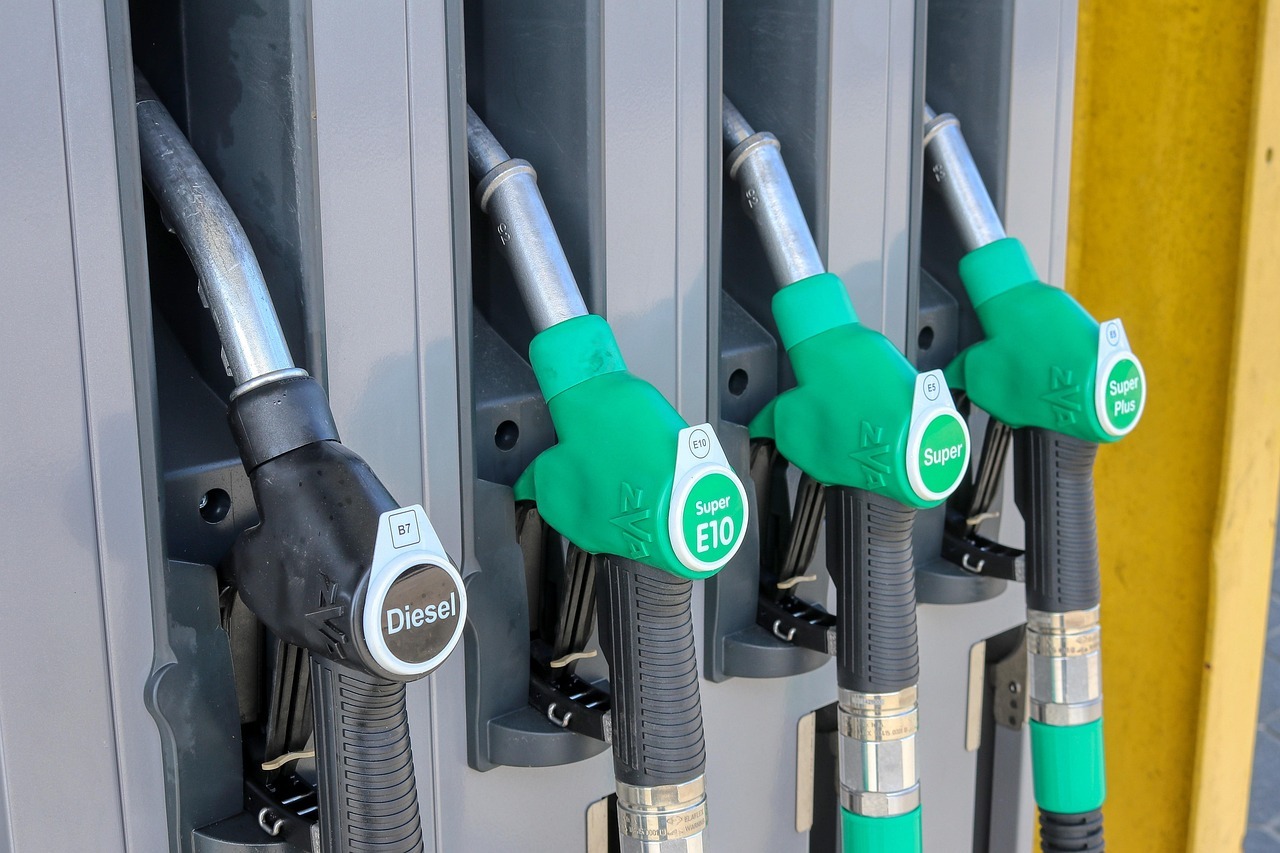
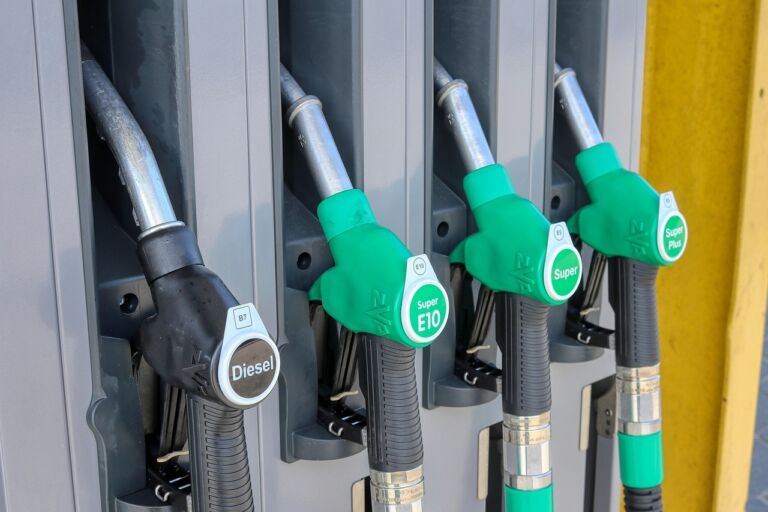
Diesel fuel plays a uniquely important role in the global economy. Unlike gasoline, which primarily powers passenger vehicles, diesel is the dominant fuel for heavy equipment, agricultural machinery, and freight transport. Consequently, supply disruptions in diesel markets tend to propagate quickly through production and logistics systems.
Modern agriculture is highly energy intensive. Diesel fuel powers nearly every stage of crop production, including soil preparation, planting, irrigation, harvesting, and on-farm transportation. As a result, fluctuations in diesel prices translate directly into changes in farm operating costs.
Farm machinery such as tractors and combines consumes substantial volumes of fuel during peak production periods. In large-scale operations, even small increases in diesel prices can add thousands of dollars to seasonal operating expenses. Rising energy costs also indirectly affect agriculture by increasing the price of other key inputs, including fertilizers, irrigation, and transportation services.
But the impact of diesel price spikes does not stop in the field.
Once food is harvested, it must travel through a vast logistics network before reaching consumers. The trucking industry is the backbone of that system. According to the U.S. Department of Agriculture, trucks move approximately 83 percent of agricultural products domestically and more than 90 percent of dairy, fruits, vegetables, and nuts. Those trucks also run primarily on diesel.
When diesel prices rise sharply, trucking companies face immediate increases in operating costs. Many freight carriers operate on thin margins, meaning fuel spikes can quickly force them to raise shipping rates. As transportation becomes more expensive, those higher costs redound throughout the supply chain, ending with the final good being more expensive for the consumer. Studies consistently show that rising diesel prices and trucking constraints contribute directly to higher food prices.
Global food markets are already showing signs of upward pressure. According to the United Nations’ Food and Agriculture Organization (FAO), the FAO Food Price Index rose to 125.3 points in February 2026, an increase of 0.9 percent from January and the first monthly rise in five months. The increase was driven primarily by higher prices for cereals, meat, and vegetable oils, with wheat prices rising amid logistical disruptions and weather risks in several major producing regions.
With energy markets volatile and shipping routes strained, analysts expect those pressures to continue pushing food prices upward in the coming months.
In other words, the economic chain reaction is already underway. War disrupts shipping. Shipping disruptions push up oil prices. Higher oil prices drive up diesel costs. Diesel costs squeeze farmers and truckers. And those costs eventually show up on grocery receipts.
For agricultural states like North Carolina, the effects are particularly visible. Farmers are already dealing with volatile weather, expensive fertilizer, and tight margins, and consumers are facing strained budgets at the supermarket. When diesel prices surge, it adds yet another cost to an industry that operates on thin profit margins and tight planting schedules.
In conclusion, modern food systems are deeply interconnected with global energy and transportation networks. When those networks are disrupted, whether by war, shipping blockades, or fuel shortages, the effects cascade across the entire food supply chain.
The post When diesel spikes, the food system feels it appeared first on John Locke Foundation.